Home » News » Feed Pellet Machine – How to Choose a Reliable Feed Pellet Machine Manufacturer
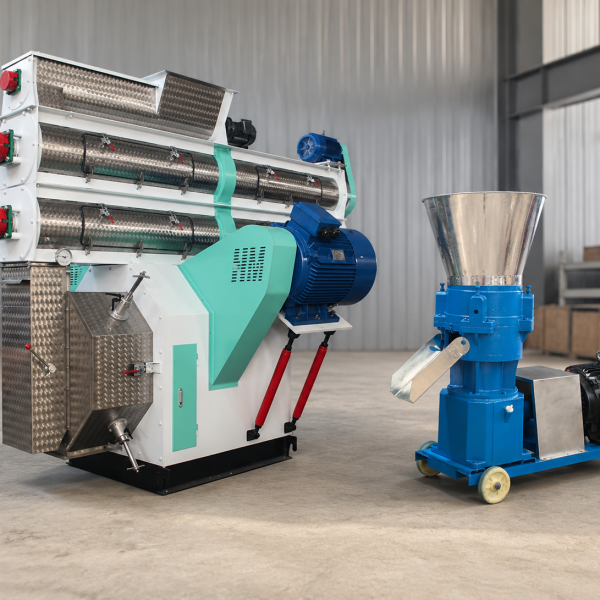
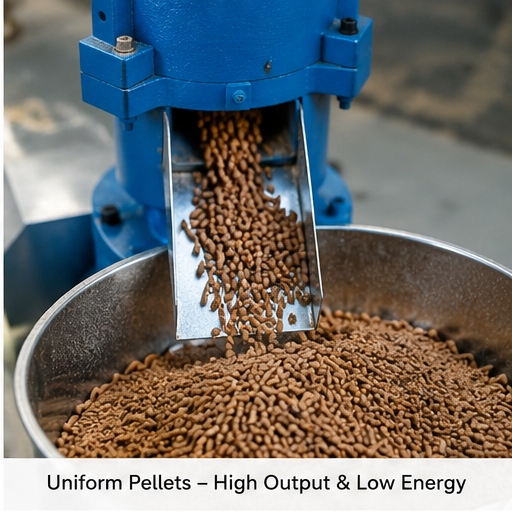
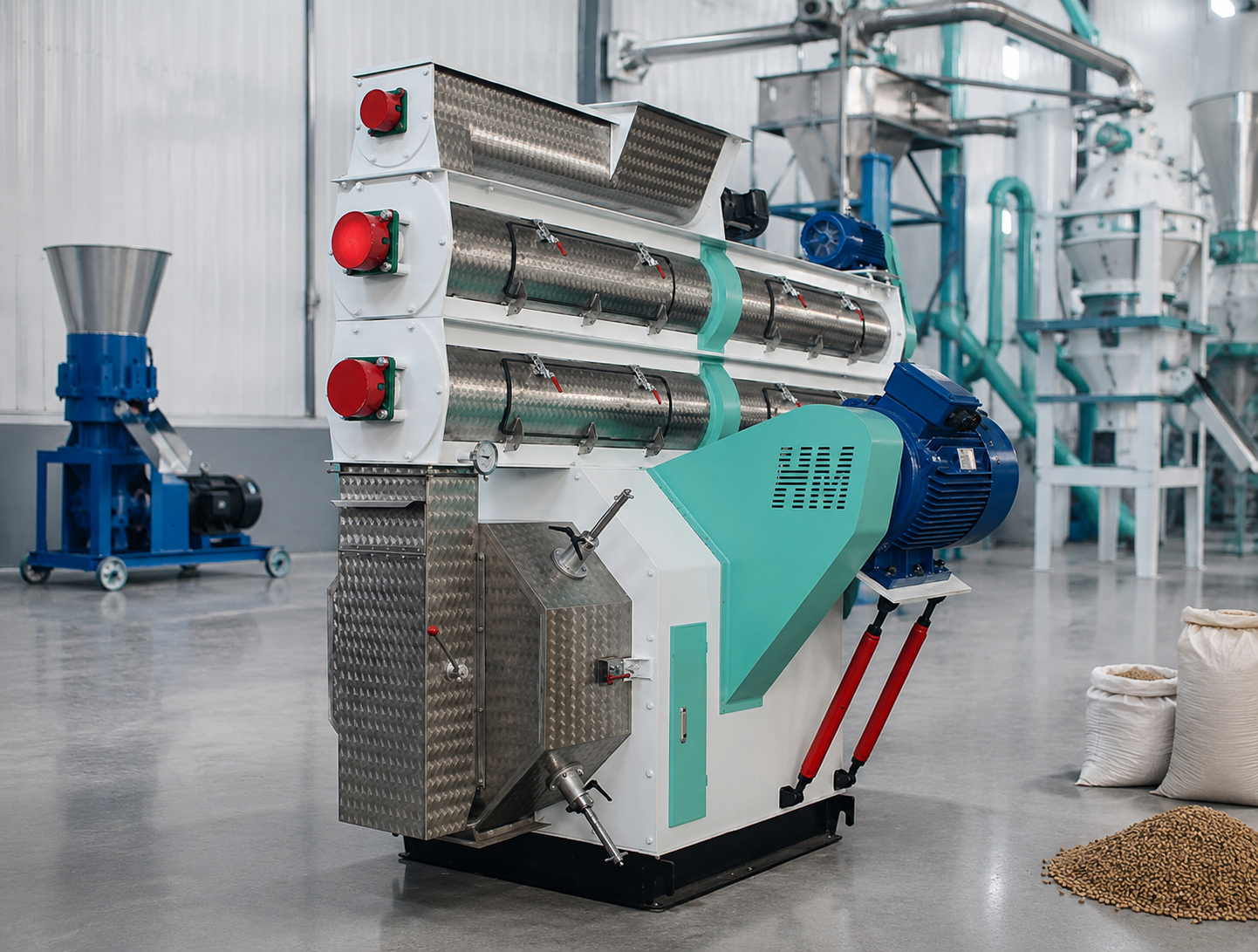
When overseas buyers purchase a feed pellet machine, the supplier selection process is often more important than comparing machine prices. A pellet machine is part of a complete production system, and its performance depends on raw materials, output requirements, electrical conditions and after-sales support.
Many customers ask:
Can this machine work with our local voltage?
Will the actual production capacity match the catalogue?
How can we check quality before shipment?
A reliable manufacturer should answer these questions before order confirmation.
Main Content:
1. Evaluate the Manufacturer Before Selecting the Machine
A professional feed pellet machine manufacturer should understand the customer’s application first.
Important information includes:
– Raw material type
– Required output
– Pellet diameter
– Production hours
– Local power supply
– Future expansion plans
A poultry feed producer in Southeast Asia planned a 3 ton/hour production line. The buyer originally wanted the highest capacity model, but after technical communication, the supplier recommended a different configuration because stable pellet quality and continuous operation were more important than maximum output.
Another cattle feed project in South America used corn, soybean meal and agricultural waste. Since local technical support was limited, the customer selected equipment with easier maintenance and reliable spare parts supply.
2. Key Factors When Choosing a Feed Pellet Machine Manufacturer
Manufacturing Capability:
Check whether the factory has machining, assembly, testing and quality inspection capability.
Export Experience:
International projects require experience with:
– Voltage customization
– Sea transportation
– Export packaging
– Installation documents
Customization Ability:
Common requirements include:
220V/380V/400V voltage, 50Hz or 60Hz frequency, different motors, electrical components and pellet sizes.
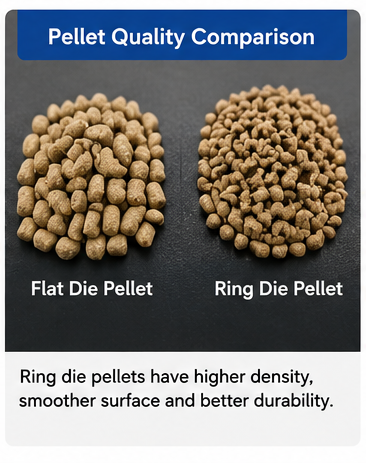
3. Product Comparison: Flat Die vs Ring Die Pellet Machine
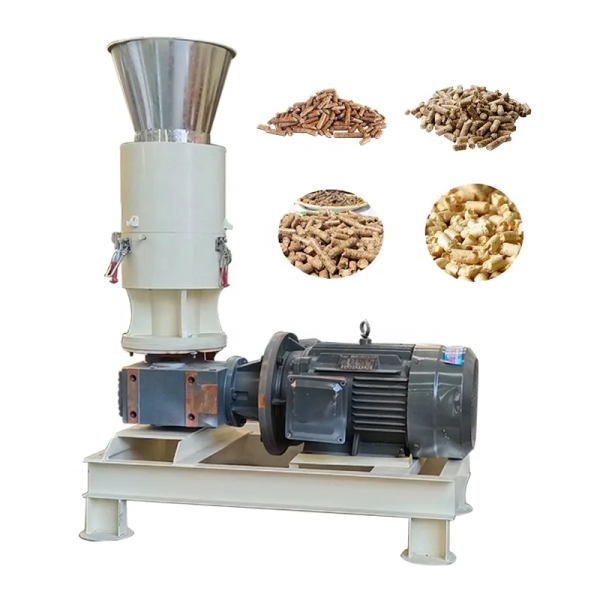
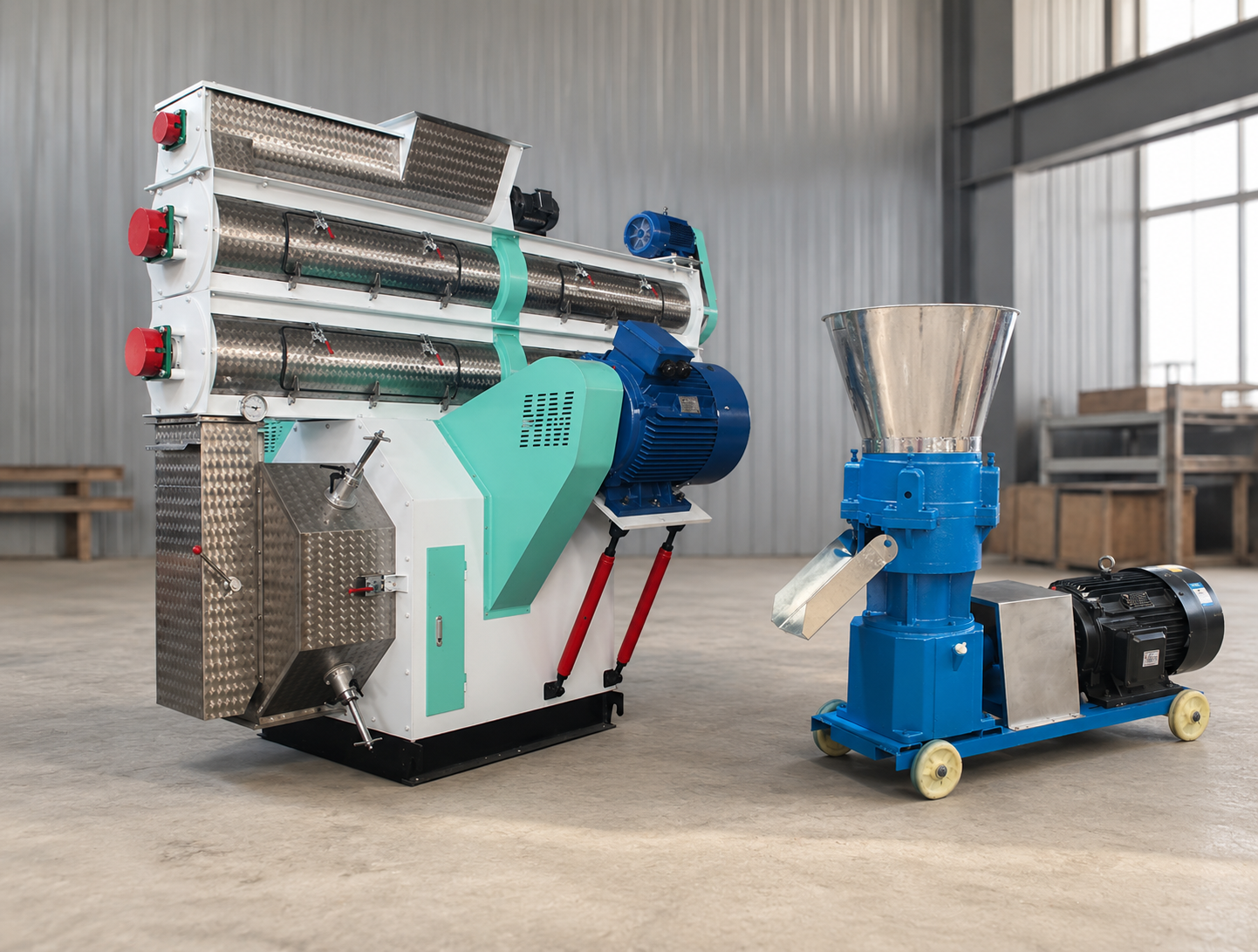
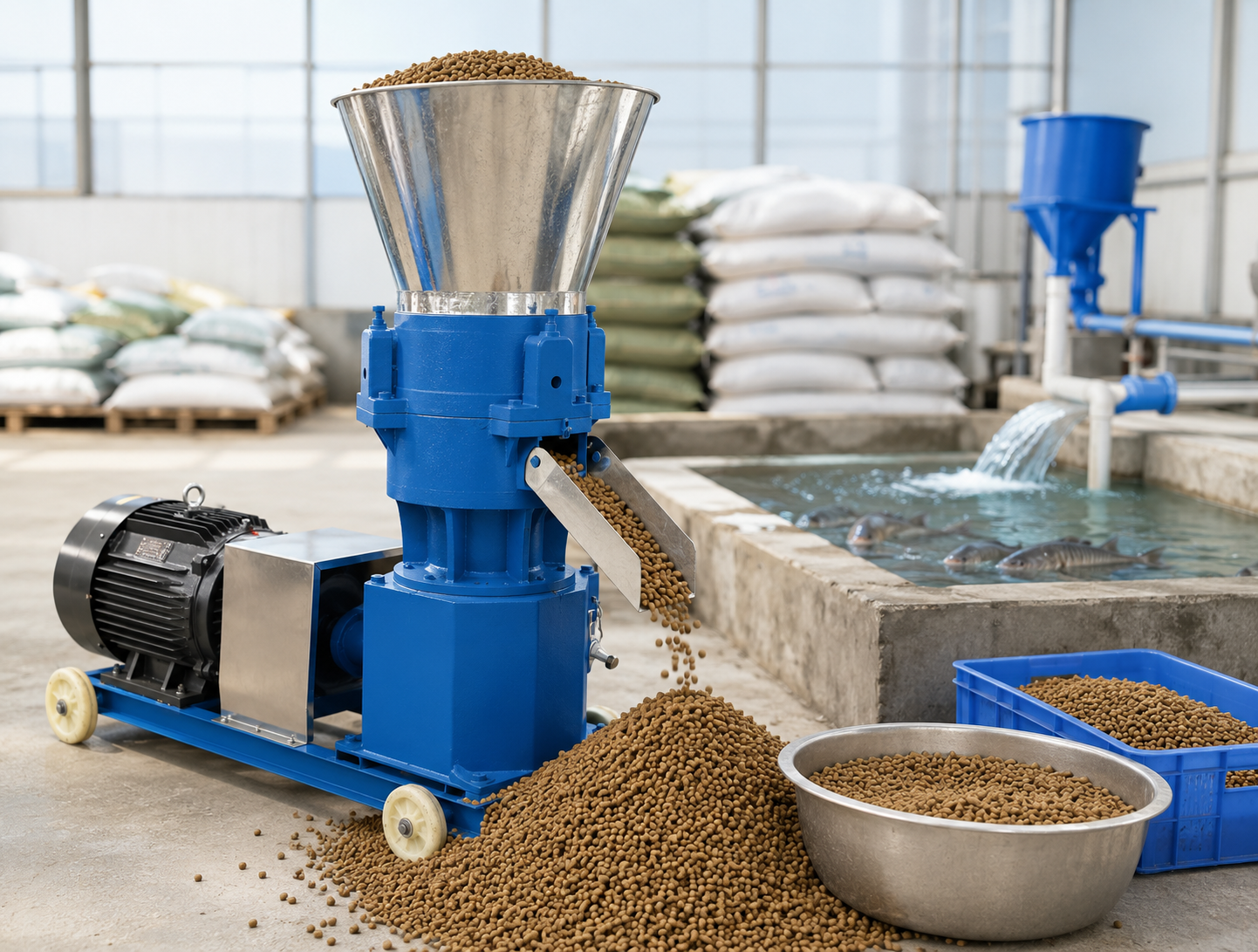
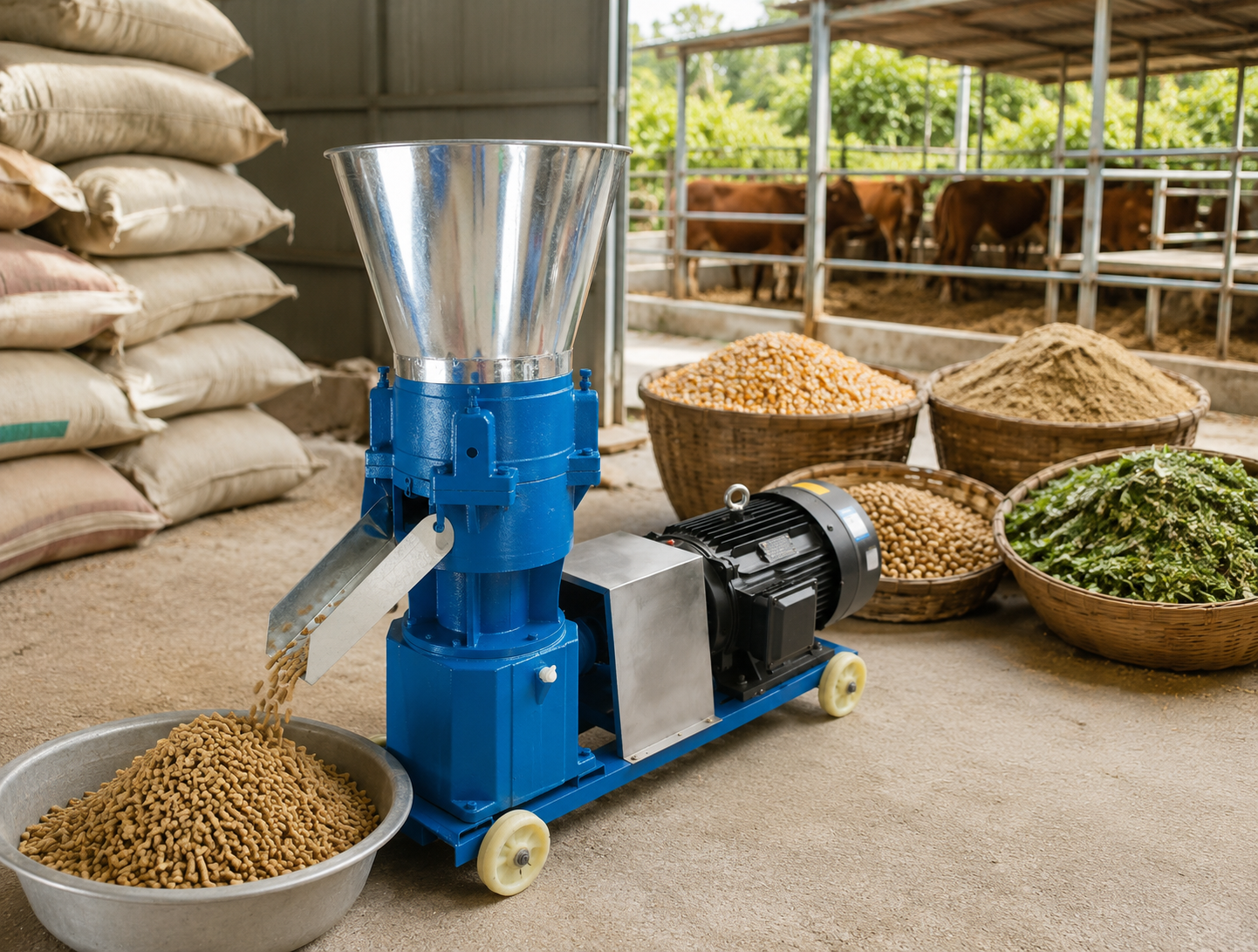
Flat Die Pellet Machine:
Suitable for small farms and startup feed businesses.
Advantages:
– Lower investment
– Simple operation
– Easy maintenance
Ring Die Pellet Machine:
Suitable for commercial feed mills.
Advantages:
– Higher continuous production efficiency
– Better for large-scale projects
The correct choice depends on business scale and production goals.
4. Purchasing Risks
Risk 1: Choosing only by price.
Low-cost equipment may increase maintenance problems.
Risk 2: Trusting catalogue capacity only.
Actual output depends on materials and pellet specifications.
Risk 3: Ignoring voltage matching.
Before production, confirm voltage, frequency, motor standard and control cabinet requirements.
Risk 4: Poor export packaging.
Industrial equipment needs protection against moisture and impact during sea transportation.
5. Export Delivery and FAT Testing
Professional manufacturers normally arrange factory acceptance testing before shipment.
FAT may include:
– Appearance inspection
– Motor operation test
– Noise and vibration check
– Electrical system inspection
– Pellet production test
– Spare parts confirmation
Some projects require electrical documents according to IEC related requirements
Export preparation usually includes:
– Waterproof protection
– Steel frame fixing
– Operation manuals
– Packing list
– Container loading plan
FAQ:
Q1: How do I select a reliable feed pellet machine manufacturer?
A: Check manufacturing ability, export experience, testing procedures, customization capability and technical support.
Q2: Flat die or ring die, which is better?
A: Flat die is suitable for small production, while ring die is better for commercial feed mills.
Q3: Can manufacturers customize voltage?
A: Yes. Professional suppliers can configure motors and electrical systems according to destination countries.
Q4: Is FAT necessary?
A: FAT is recommended for commercial projects because buyers can verify machine performance before shipment.
Call To Action:
Choosing the right feed pellet machine manufacturer helps reduce production risks and improves long-term operating stability. Contact us to discuss your raw materials, capacity requirements and export conditions.