
Home » News » Screw Oil Press vs Hydraulic Oil Press: Which One Is Better for Your Business?
Screw Oil Press vs Hydraulic Oil Press: Which One Is Better for Your Business?
Choosing the right oil press machine directly affects oil quality, production efficiency, labor cost, and long-term operating expenses. For edible oil producers, agricultural processing plants, and startup oil workshops, screw oil presses and hydraulic oil presses are the two most common options.
Although both machines extract oil from seeds and nuts, their working methods and suitable applications are quite different.
What Is a Screw Oil Press?
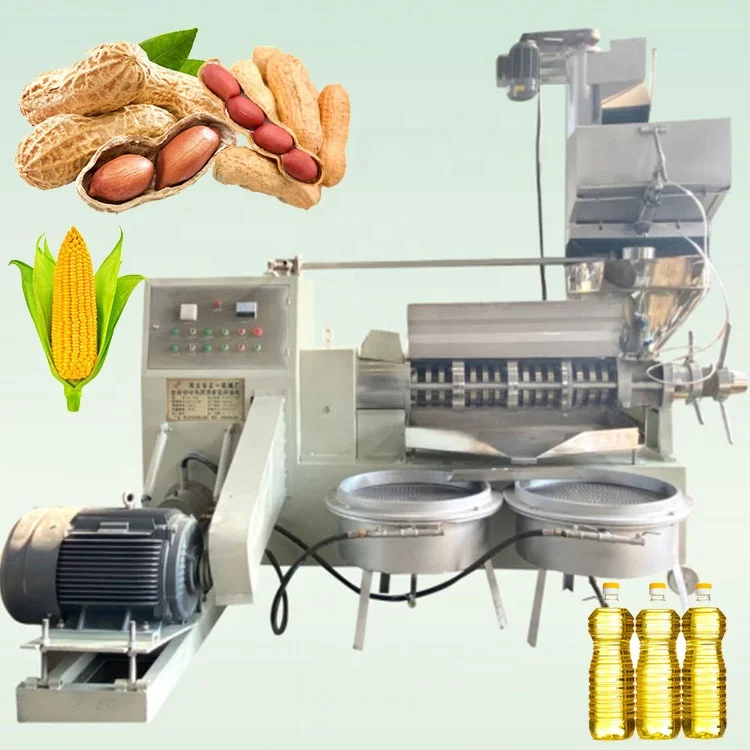
A screw oil press uses a rotating screw shaft to continuously squeeze oil materials under high pressure. It is widely used for soybean, sunflower seed, peanut, sesame, rapeseed, palm kernel, and other high-volume oil crops.
This type of machine is designed for continuous production and is commonly used in commercial oil mills and medium-to-large processing lines.
Main Advantages:
- High production capacity
- Suitable for continuous operation
- Lower labor cost in mass production
- Compatible with many raw materials
- Easier integration into automatic oil processing lines
Typical Applications:
- Commercial edible oil factories
- Agricultural cooperatives
- Industrial oil extraction projects
- Biodiesel raw material processing
What Is a Hydraulic Oil Press?
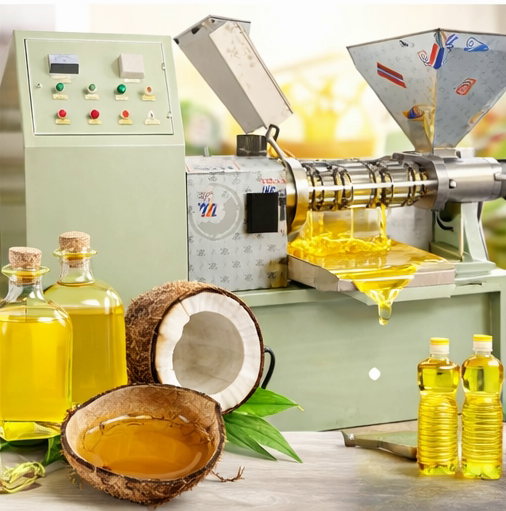
A hydraulic oil press uses hydraulic pressure to slowly press oil materials at lower temperatures. It is often preferred for premium oils with higher purity and better appearance.
This machine is especially popular for sesame oil, olive oil, flaxseed oil, walnut oil, and other high-value edible oils.
Main Advantages:
- Better oil color and flavor
- Lower pressing temperature
- Higher oil purity
- Compact structure and easy operation
- Suitable for specialty oil production
Typical Applications:
- Cold-pressed oil workshops
- Organic oil brands
- Small-scale premium oil businesses
- Specialty food processing plants
Screw Oil Press vs Hydraulic Oil Press
| Item | Screw Oil Press | Hydraulic Oil Press |
| Capacity | High | Lower |
| Production Type | Continuous | Batch Processing |
| Oil Quality | Standard Commercial Oil | Premium Cold-Pressed Oil |
| Suitable Materials | Soybean, peanut, rapeseed | Sesame, olive, walnut |
| Temperature | Higher | Lower |
| Automation | Easier | Moderate |
| Investment Return | Faster for large output | Better for high-value oils |
Best Applications for Each Machine
If your business focuses on large daily output and stable commercial production, a screw oil press is usually the better choice.
For example, many cooking oil factories in Africa, Southeast Asia, and South America prefer screw oil presses because they can process tons of raw materials continuously.
If your target market values cold-pressed oil, organic products, or premium packaging, a hydraulic oil press may create better product value.
Many startup brands use hydraulic oil presses for sesame oil, flaxseed oil, and walnut oil because the final oil looks cleaner and sells at a higher price.
How to Choose the Right Oil Press Machine
Before purchasing an oil extraction machine, overseas buyers usually evaluate these factors:
1. Raw Materials
Different oil seeds require different pressing methods.
2. Daily Capacity
A small cold-pressed oil workshop may only need 30-100 kg/h, while commercial plants may require several tons per day.
3. Oil Quality Requirements
For premium edible oil markets, lower-temperature pressing is often preferred.
4. Power Supply and Local Conditions
In some regions, diesel engine oil press machines are more practical than electric models.
5. Spare Parts and Maintenance
Buyers often care about wearing parts, maintenance cost, and technical support availability.
What Overseas Buyers Usually Care About
For B2B buyers, machine price is only one part of the decision.
Many importers pay more attention to:
- Oil yield performance
- Machine durability
- Stainless steel material options
- Motor brand and voltage customization
- Installation guidance
- Shipping and packaging
- Spare parts supply
- CE or other export certifications
Reliable suppliers usually provide complete technical support, testing videos, and customized solutions based on local raw materials.
Conclusion
There is no single “best” oil press machine for every business. The right choice depends on your raw materials, production goals, target market, and investment plan.
A screw oil press is better for large-scale continuous production, while a hydraulic oil press is ideal for premium cold-pressed oils with higher added value.
Working with an experienced oil press machine manufacturer can help reduce operating costs and improve long-term production efficiency.
CTA
Looking for the right oil press machine for your market? Contact us for machine recommendations, technical support, videos, and quotation solutions based on your raw materials and production capacity.