
Home » News » 10 Factors That Affect the Oil Yield Rate of a Screw Press Machine
10 Factors That Affect the Oil Yield Rate of a Screw Press Machine
Introduction
For oil mill owners and plant managers, oil yield is not only a technical issue. It directly affects raw material costs, daily profit, electricity consumption, and customer competitiveness in the edible oil market.
Many buyers focus heavily on machine price during procurement. After installation, they discover the actual oil yield is lower than expected. In many cases, the machine itself is not the only reason.
From our export experience with screw oil press machines in Africa, Southeast Asia, and South America, oil yield usually depends on a combination of raw materials, machine configuration, operator experience, and pretreatment conditions.
1. Raw Material Variety
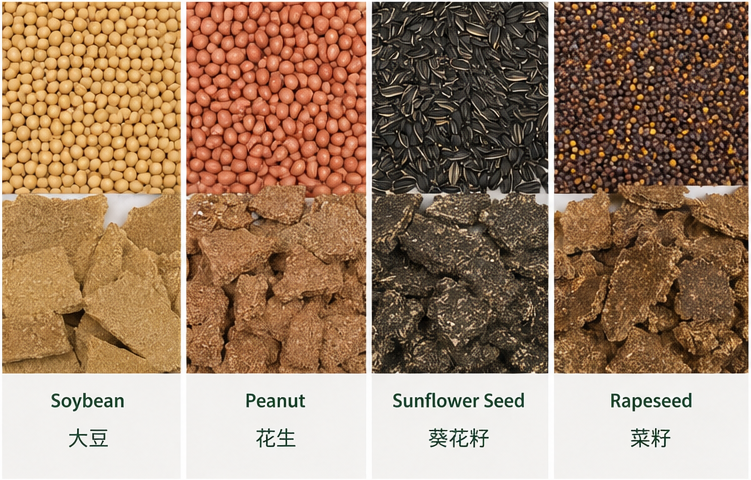
Different oil seeds contain different oil content.
For example:
Sesame can reach over 45% oil content
Sunflower seed usually ranges from 32% to 42%
Soybean often stays around 18% to 22%
Some buyers compare oil yield between different factories without considering raw material differences. This creates misleading expectations during machine selection.
2. Moisture Content Before Pressing
Moisture control has a major influence on oil extraction efficiency.
If seeds are too dry, oil flow becomes slow and cake hardness increases. If moisture is too high, oil residue inside the cake increases significantly.
In one peanut oil project in Nigeria, the customer reported unstable oil yield after installation. The issue was not the machine. The peanut moisture fluctuated between 6% and 13% due to open-air storage during the rainy season.
After adding a simple drying section before pressing, oil yield improved noticeably.
3. Seed Cleaning Quality
Dust, stones, metal particles, and fiber impurities affect both oil yield and machine lifespan.
Impurities increase screw shaft wear and reduce effective pressing pressure.
For medium and large oil plants, cleaning equipment should never be skipped simply to reduce investment cost.
4. Cooking and Pretreatment Temperature
Pretreatment directly affects oil release during pressing.
For rapeseed and soybean processing lines, proper cooking temperature helps break cell structures and improves oil flow.
Overheating creates another problem: darker oil color and burnt smell.
In commercial production, balancing oil yield and oil quality is more practical than blindly chasing maximum output.
5. Screw Shaft Design
Not all screw press machines use the same screw configuration.
Different screw pitch, compression ratio, and chamber length affect pressure distribution inside the machine.
Machines designed for sesame may not perform well with soybean.
One common buyer mistake is using a general-purpose machine for multiple materials without adjusting screw configuration.
6. Pressing Speed and Motor Stability
Stable motor output matters more than many buyers expect.
In some African regions, unstable voltage causes motor speed fluctuation, directly affecting pressure consistency inside the pressing chamber.
For export projects, voltage customization is critical.
Common export configurations include:
380V / 50Hz
415V / 50Hz
440V / 60Hz
Some clients also request diesel engine versions for remote agricultural areas.
7. Machine Wear and Maintenance
Screw shafts and press rings are wearing parts.
After long production cycles, pressing pressure gradually decreases.
Several customers initially believed their machine capacity was insufficient. During inspection, we found severe screw wear caused by processing sand-contaminated sunflower seeds.
Routine maintenance is directly connected to oil yield stability.
8. Operator Experience
Even a high-quality screw press machine depends on correct operation.
Experienced operators adjust feed rate, cake thickness, and temperature based on material conditions.
Inexperienced workers often overload the machine to chase higher output, which reduces oil extraction efficiency.
9. Residual Oil in Oil Cake
Residual oil inside oil cake is one of the most practical indicators for evaluating screw press performance.
Low residual oil means better extraction efficiency.
Many buyers only check hourly capacity during factory visits but ignore oil cake condition.During FAT testing, experienced buyers usually request oil cake sampling analysis.
10. Production Environment and Power Supply
Ambient temperature, humidity, and electricity stability all influence machine performance.
In Southeast Asia, high humidity frequently causes raw material storage problems.
In remote farming areas, unstable generators may affect motor protection systems.
These factors should be discussed before finalizing machine specifications.
Real Project Cases From Overseas Markets
Case 1: Peanut Oil Processing Plant in Ghana
The customer initially focused only on machine capacity.
After installation, oil yield remained unstable due to high moisture peanuts stored during rainy periods.
We later added seed drying and magnetic cleaning equipment. Oil yield improved and machine wear decreased.
Case 2: Sesame Oil Workshop in Uzbekistan
The client planned to process both sesame and sunflower seed using one machine.
After testing, we recommended separate screw configurations for each material.The customer finally purchased interchangeable screw assemblies instead of two complete machines, reducing investment cost
Common Purchasing Risks Buyers Ignore
Low-Price Machines With Thin Steel Structure
Some low-cost machines use thinner pressing chambers and lower-grade steel.
Short-term production may appear normal, but pressure deformation becomes obvious after several months.
Missing Spare Parts Planning
Some buyers purchase machines without ordering spare screw shafts or press rings.
International shipping delays can stop production for weeks.
Incorrect Voltage Matching
Voltage mismatch remains one of the most common export issues.
Factory confirmation before shipment is essential.
FAT Testing Before Shipment
Professional buyers usually request FAT testing before container loading.
Typical FAT procedures include:
Machine running stability
Motor current inspection
Oil cake condition check
Bearing temperature monitoring
Noise testing
Capacity verification
FAQ
Does higher pressure always mean higher oil yield?
Not always. Excessive pressure may increase cake blockage and machine wear.
Which raw material is easiest for screw pressing?
Peanut, sunflower seed, and rapeseed are common choices for commercial screw pressing.
Can one machine process different seeds?
Yes, but screw configuration and pretreatment conditions may need adjustment.
What is a reasonable residual oil rate?
It depends on material type and pretreatment conditions. Different oil seeds have different standards.
Call To Action
Looking for a screw oil press machine with stable oil yield and reliable export support?
Contact our engineering team for machine recommendations, raw material testing, FAT videos, voltage customization, and complete oil processing solutions.