Your position:
PRODUCTS LIST
Last News
Inquiry
Introduction
Product Description:
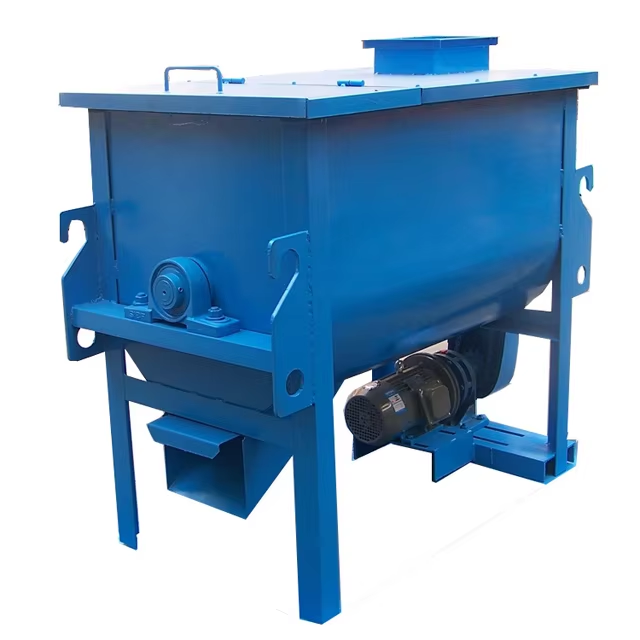
An animal feed mixer is a machine that blends different feed ingredients – grains (corn, wheat), protein meals (soybean, fish meal), premixes (vitamins, minerals), and sometimes liquids (oil, molasses) – into a complete and uniform feed. Good mixing means every animal gets balanced nutrition.
Main types of animal feed mixers
| Type | How it works | Best for |
|---|---|---|
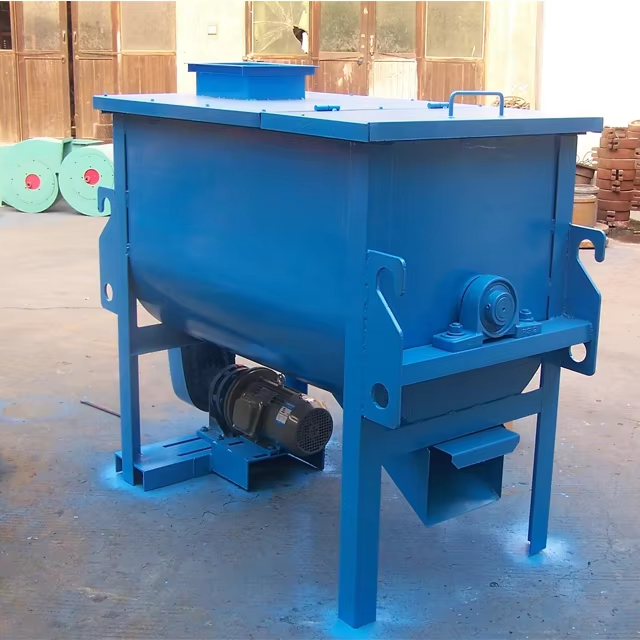
| Horizontal ribbon mixer | Two spiral ribbons spin opposite directions, moving material back and forth. | High accuracy, short mixing time (3–5 min). Poultry, pig, fish feed. |
| Horizontal paddle mixer | Paddles push and fold. Good for adding liquids. | Liquid addition (oil, molasses). Gentle on pellets. |
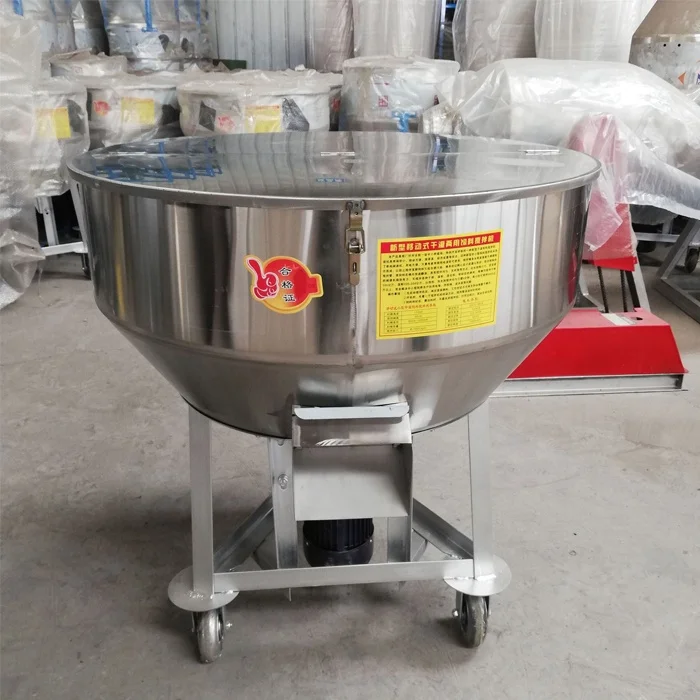
| Vertical auger mixer | A screw lifts material to the top, it falls back down. | Small farms, dry feed, low cost. |
| Twin shaft paddle mixer | Two shafts with paddles spin fast. Very short mixing time (30–60 sec). | Large feed mills, high capacity. |
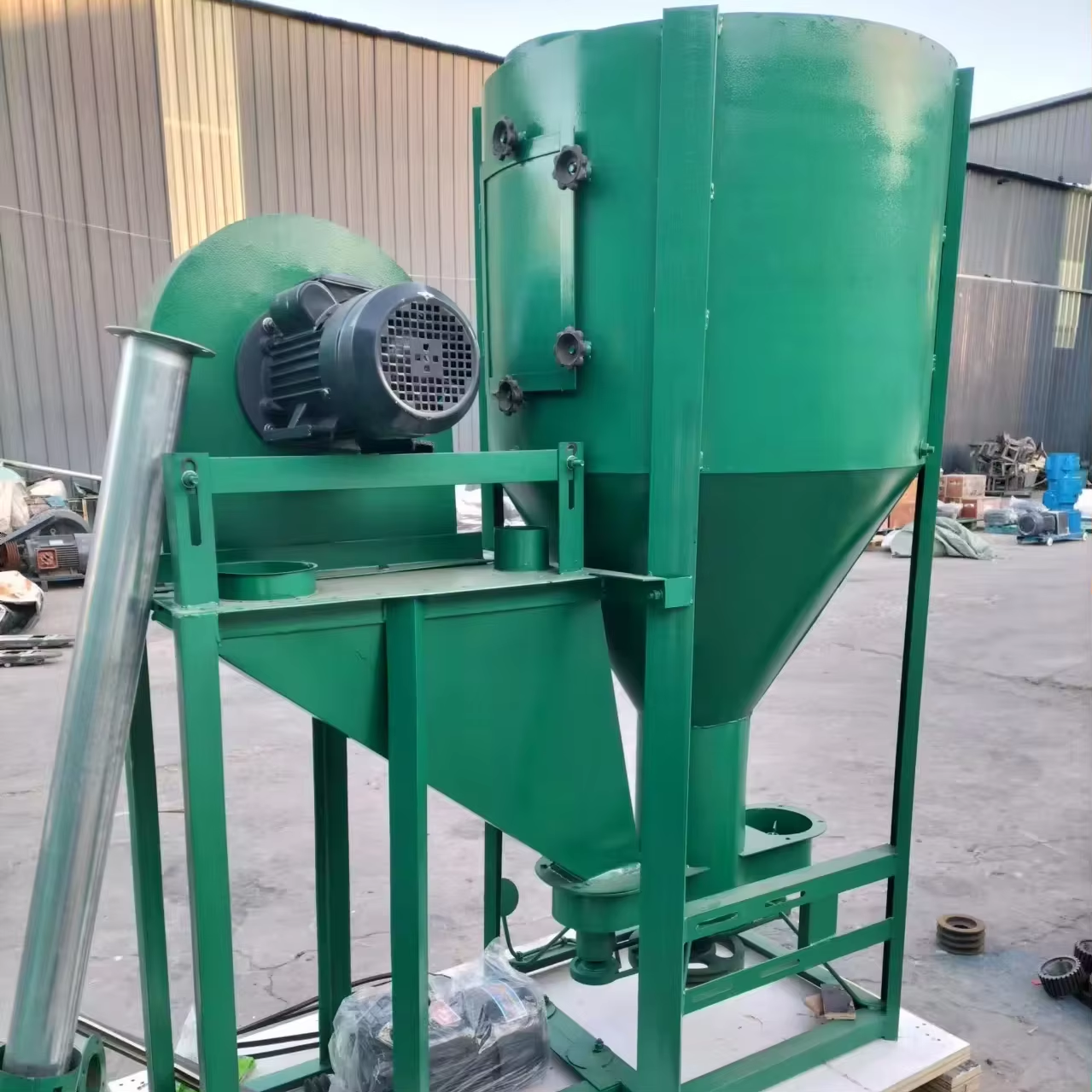
Key features to look for
-
Mixing uniformity – Coefficient of Variation (CV) under 7% is good; under 5% is excellent.
-
Liquid addition port – for spraying oil, fat, or molasses during mixing.
-
Stainless steel – food grade, rust proof, easy to clean (essential for wet or acidic ingredients).
-
Quick discharge – bottom slide gate or pneumatic valve to empty the batch fast.
-
Easy cleaning – no sharp corners where feed can stick.
What materials can be mixed
-
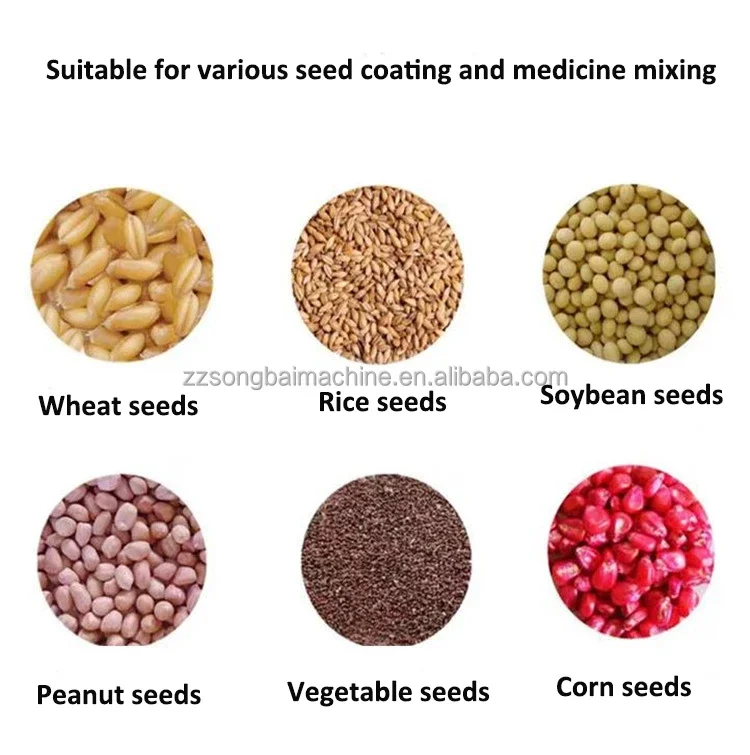
Dry powders: corn meal, soybean meal, wheat bran, rice husk powder
-
Coarse grains: cracked corn, whole oats (needs gentle mixing)
-
Premixes: vitamins, minerals, medications
-
Liquids: oil, molasses, water (with spray system)
Typical applications
-
Poultry feed (broilers, layers, chicks)
-
Pig feed (starter, grower, finisher, sow)
-
Cattle and sheep feed (can be part of TMR)
-
Fish and shrimp feed (pre-mixing before extrusion)
-
Horse feed, rabbit feed, goat feed
How to choose the right animal feed mixer
Ask yourself:
-
How many kg per batch? Match the mixer capacity to your daily feed need.
-
What type of ingredients? Fine powders mix easily. Coarse or sticky materials need more power.
-
Do you add liquids? If yes, choose a paddle mixer or ribbon mixer with a liquid spray system.
-
What uniformity do you need? For expensive premixes, choose a mixer with CV <5%.
-
Power source? Most use 3‑phase electric. Small vertical mixers can use single phase.
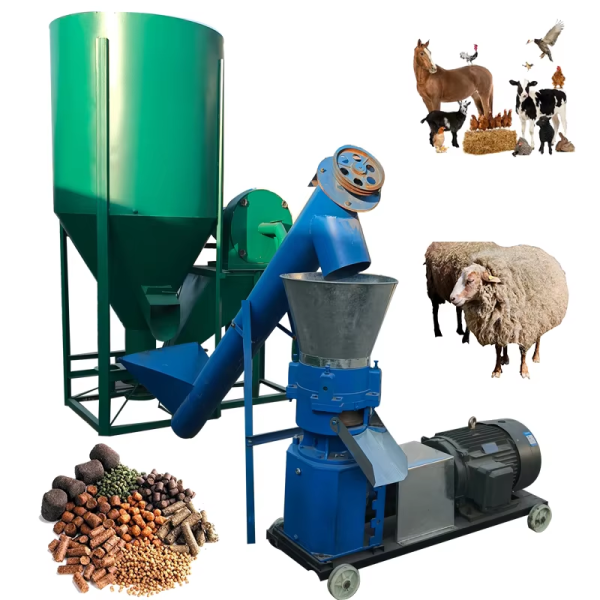
Complete small feed mixing line
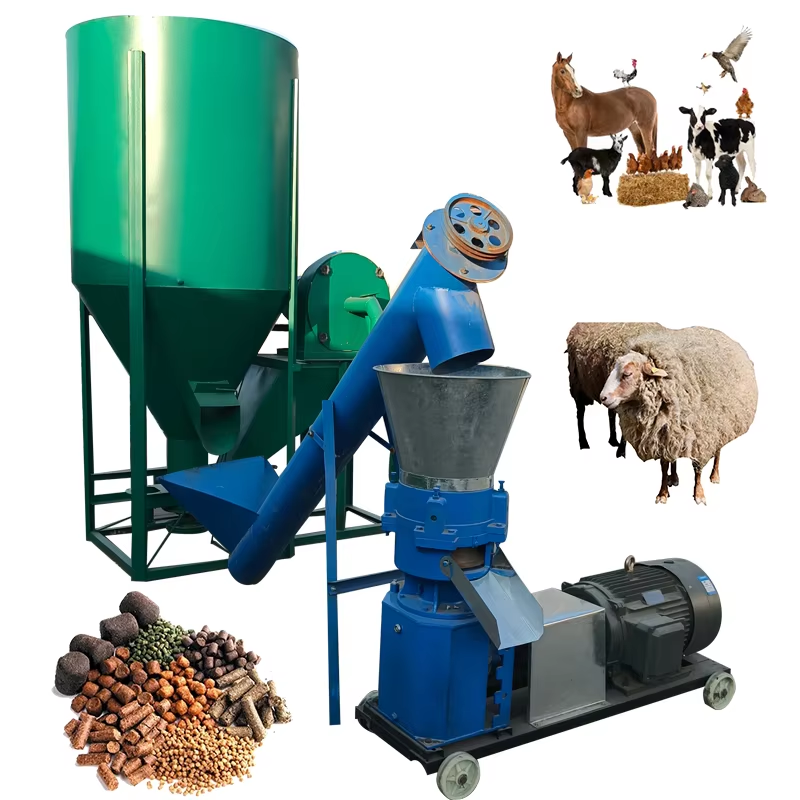
A basic animal feed production line includes:
-
Hammer mill – grinds grains into fine powder
-
Animal feed mixer – blends all ingredients
-
Auger or bucket elevator – moves material between machines
-
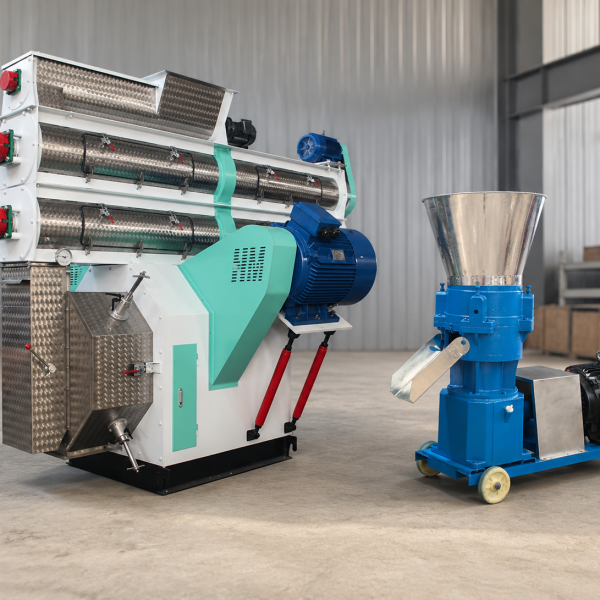
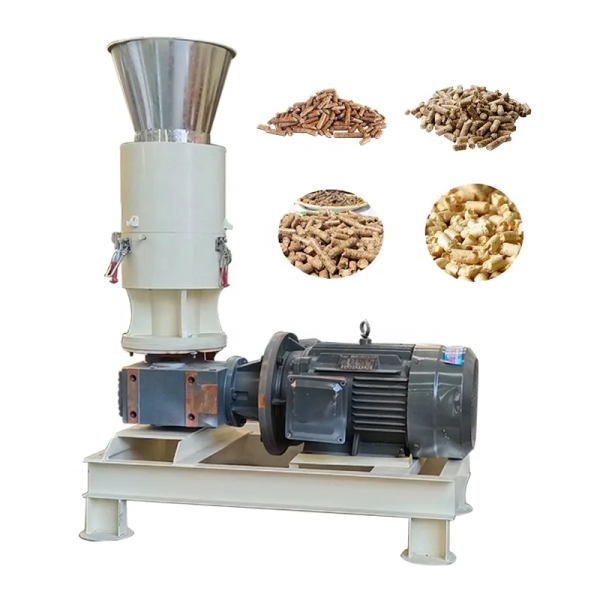
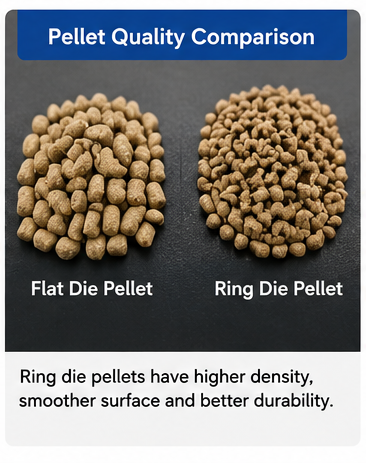
Pellet machine (optional) – makes pellets
-
Packing scale – bags the finished feed
Maintenance tips
-
Clean the mixer after each batch if changing recipe (to avoid cross-contamination).
-
Check ribbons/paddles/auger for wear every month. Replace worn parts.
-
Lubricate bearings and gearbox as per manual.
-
Keep the discharge door seal clean and tight.
-
Do not exceed the rated batch capacity.
Safety notes
-
Always disconnect power before opening the mixer lid or door.
-
Keep hands, tools, and clothing away from moving parts.
-
Install safety grates on top openings.
Why buy an animal feed mixer?
-
Save money – raw ingredients cost less than pre-mixed commercial feed.
-
Control quality – you know exactly what goes into your animals.
-
Customize recipes – adjust for different growth stages or health needs.
-
Reduce waste – mix only what you need.
An animal feed mixer is simple to operate, durable, and pays for itself quickly. Whether you have 50 chickens or 500 pigs, there is a model that fits your farm.
Inquiry
Please feel free to submit your inquiry information to us. We will contact with you as soon as possible.