Home » News » How to Choose a Reliable Wood Crusher Machine Manufacturer in China
How to Choose a Reliable Wood Crusher Machine Manufacturer in China
Introduction
A sawmill operator in Indonesia once shared a simple problem: He bought a wood crusher online at a low price. The machine looked fine in photos, but after three weeks of operation, the blades wore out quickly, and production stopped for two days. The local supplier could not provide replacement parts.
The real loss was not the machine cost. It was the downtime.
This situation is common in biomass pellet plants, furniture factories, and pallet production workshops that rely heavily on continuous wood processing.
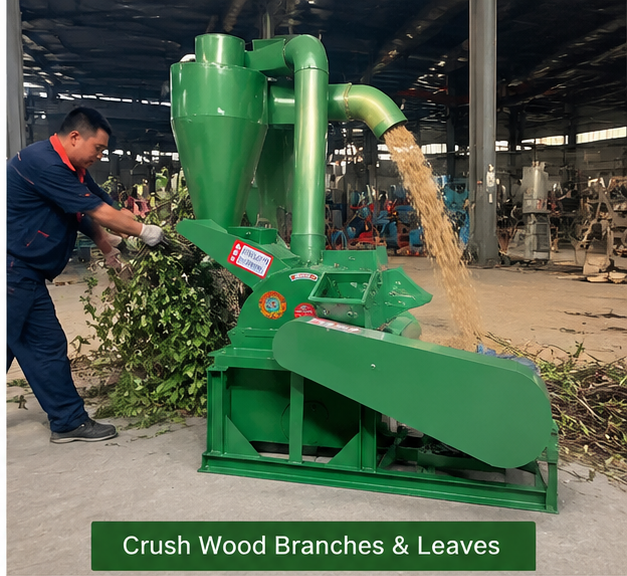
A wood crusher machine is not just a piece of equipment. It is the front-line system that determines whether raw logs, branches, and wood waste can be converted into usable biomass material smoothly.
Selecting the right manufacturer in China directly affects:
- Production stability
- Spare parts availability
- Energy consumption
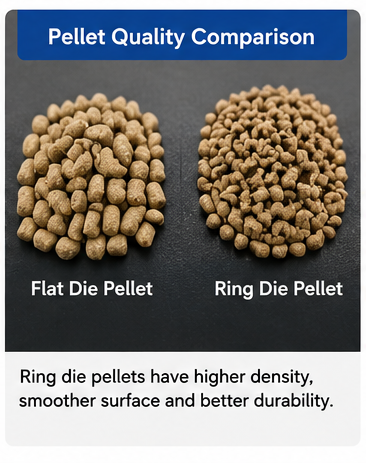
- Pellet quality consistency
- Maintenance cost over time
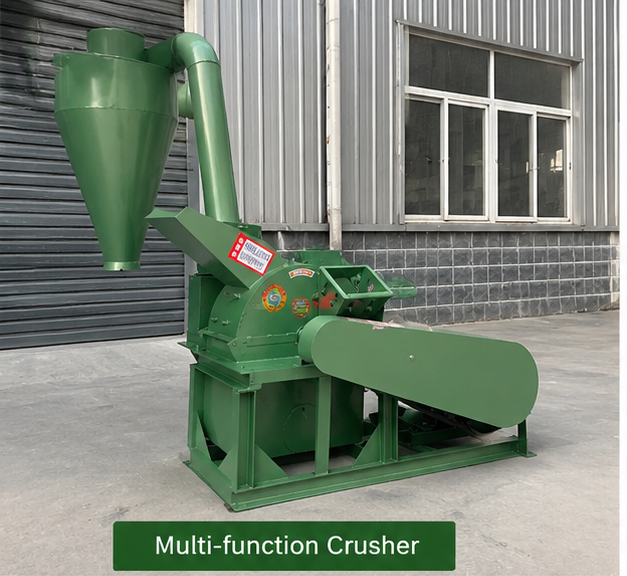
What a Real Wood Crusher Manufacturer Should Look Like
Many buyers mistake trading companies for factories. On paper, both can provide quotations. But in real production environments, differences become obvious.
A real manufacturer usually has:
1. Processing Workshop Capability
CNC cutting machines for rotor parts
Heat treatment for blades
Dynamic balancing for high-speed shafts
Welding control for heavy-duty frames
2. Material Traceability
Key components should clearly show:
Blade steel grade
Bearing brand (SKF / NSK / HRB)
Motor compliance (IEC standard)
Gearbox structure and torque rating
3. Test Area for Load Simulation
A reliable factory will not ship machines without testing under:
Continuous feeding conditions
Mixed wood waste (logs + branches + bark)
Moisture variation tests
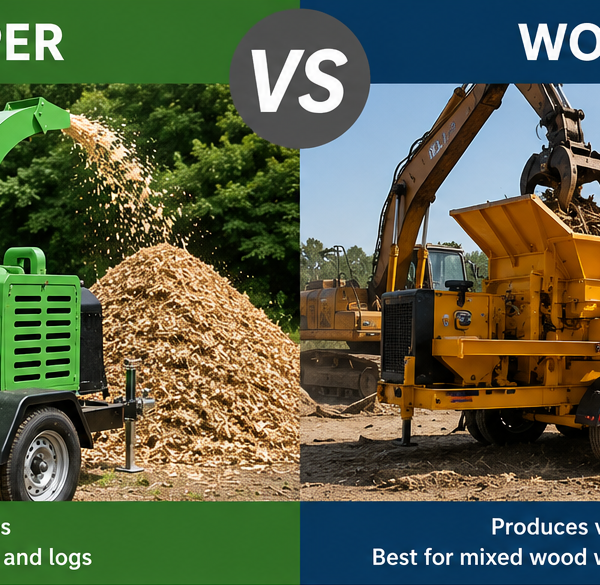
Screw Feeding vs Disc Wood Crusher Comparison
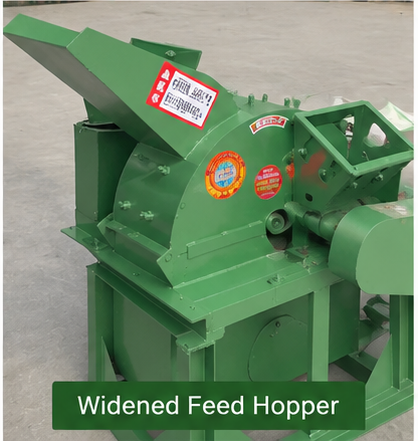
Screw Feeding Type Wood Crusher
Best suited for:
- Biomass pellet plants
- Mixed wood waste processing
- High humidity raw materials
Advantages:
- Stable feeding system
- Less clogging during operation
- Suitable for continuous production lines
Limitations:
- Slightly higher maintenance on feeding screw
- Requires better alignment during installation
Disc Type Wood Crusher
Best suited for:
- Sawmill waste
- Furniture factory offcuts
- Dry wood materials
Advantages:
- High cutting efficiency
- Simple structure
- Lower initial investment
Limitations:
- Sensitive to wet materials
- Feeding consistency required
Most export customers eventually choose based on raw material type rather than price.
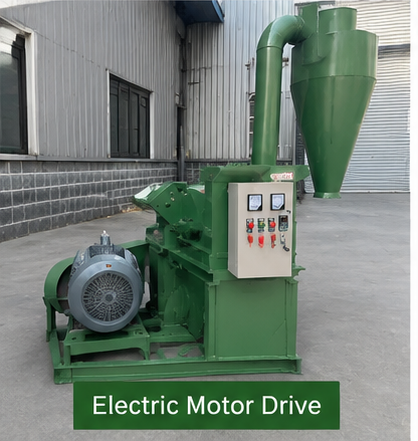
Two Real Engineering Application Cases
Case 1: Biomass Pellet Plant in Vietnam
A 5-ton/day pellet plant was processing:
- Mixed hardwood logs
- Bamboo waste
- Sawdust
Initial issue:
The disc crusher frequently jammed when bamboo moisture exceeded 35%.
Final solution:
A screw-feeding wood crusher system was installed with:
- Reinforced rotor blades
- Larger feeding hopper
- Adjustable cutting gap
Result:
Production stability improved by 40%
Maintenance downtime reduced significantly
Pellet density became more consistent
Case 2: Furniture Factory in Romania
The factory produced wooden pallets and export packaging materials.
Material:
Dry oak wood scraps
Edge trimmings from CNC cutting lines
Requirement:
High-speed crushing with low dust emission.
Solution:
Disc wood crusher system with:
High-speed rotor (controlled balance test)
Dust collection outlet
Replaceable alloy blades
Result:
Output reached 2.5 tons/hour
Blade replacement cycle extended by 30%
Cleaner workshop environment
Procurement Risks Buyers Often Ignore
Risk 1: Blade Material Mismatch
Some suppliers use: Low-grade carbon steel instead of alloy steel
Result:
- Rapid blade wear
- Uneven particle size
- Higher maintenance cost
Risk 2: Motor Voltage and Frequency Errors
Export markets vary widely:
- Nigeria: 415V 50Hz
- USA: 480V 60Hz
- Philippines: 220V 60Hz
- Kenya: 415V 50Hz
Wrong configuration leads to:
- Overheating
- Reduced torque
- Shortened motor life
Risk 3: Ignoring Spare Part Strategy
Some buyers only order machines, not spare parts.
But in biomass processing:
- Blade replacement is routine
- Bearings need periodic change
A proper supplier usually provides:
- 1-year consumable package
- Standardized blade sets
- Maintenance schedule guide

Export Experience: Packaging and Shipping
Wood crusher machines are heavy industrial equipment.
During ocean shipping, vibration and humidity are the main risks.
Professional export packaging includes:
- Fumigation-free plywood crates
- Steel frame reinforcement inside base
- Anti-rust oil coating on rotor parts
- Moisture barrier film wrapping
For African inland destinations, some factories ship:
- Extra blades
- Bearings
- Belts
- together with main equipment to avoid long spare part delays.
FAT Testing and IEC Standard Requirements
Experienced buyers often request FAT (Factory Acceptance Test).
Typical FAT process includes:
- No-load operation test
- Wood feeding test (real material)
- Vibration and noise measurement
- Motor current stability check
- Blade temperature monitoring
Some European buyers also require:
- IEC compliant motors
- CE certification documents
- Electrical safety reports
FAT video records are often used for:
- Pre-shipment approval
- Third-party inspection confirmation
How to Evaluate a Factory Before Ordering
Instead of only checking price, experienced buyers focus on:
1. Machine Testing Videos with Real Material
Not clean studio videos, but actual wood waste testing.
2. Workshop Transparency
Factories that can show:
- Rotor machining
- Blade heat treatment
- Assembly line
3. Engineering Response Capability
Good suppliers ask questions like:
- Raw material type
- Moisture content
- Required output per hour
- Not just send a price list.
FAQ
1:Can one wood crusher handle all types of wood?
Yes, but only if configuration matches material type.
Wet and dry wood require different feeding systems.
2:How long does blade replacement take?
Typically 2–6 months depending on raw material hardness.
Hardwood shortens blade life.
3:Can it be integrated into pellet production line?
Yes.
Most biomass systems include:
Crusher
Dryer
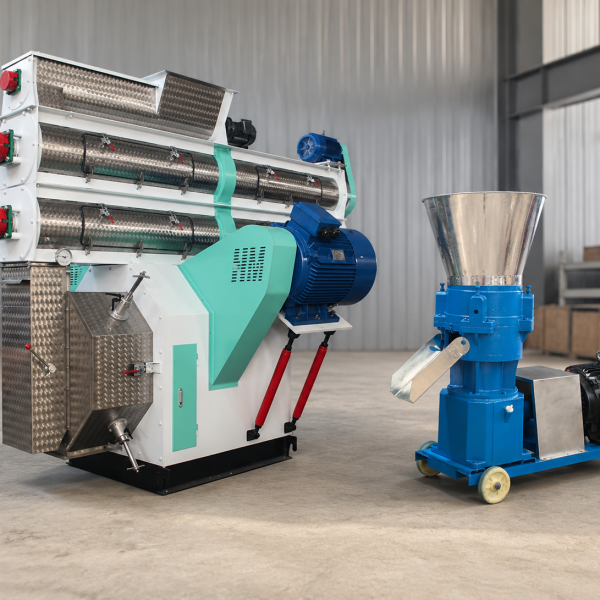
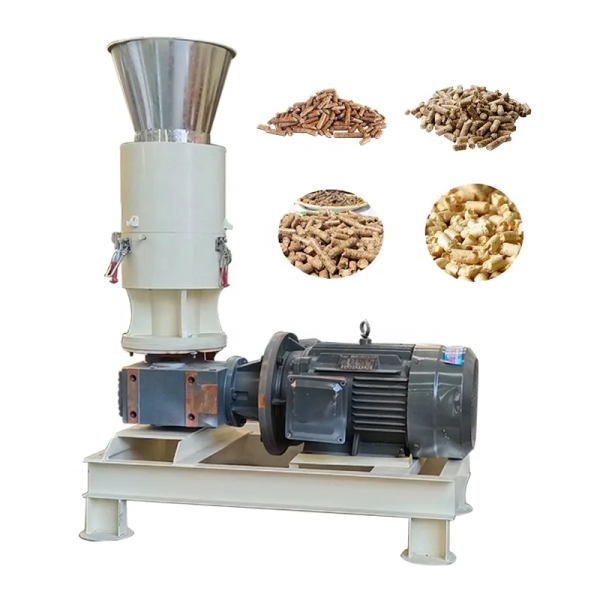
Pellet mill
4:What is the delivery time?
Standard models:
10–20 working days production
25–45 days shipping depending on destination
5:Do I need installation engineers?
Small machines:
Video guidance is enough
Large systems:
Remote commissioning support or on-site service available
Call To Action
Choosing a reliable wood crusher machine manufacturer in China is not only about price comparison. It is about understanding production stability, material compatibility, and long-term operating cost.
If you are planning a biomass pellet project, sawmill upgrade, or wood waste recycling system, share your raw material type and capacity requirement.
We can provide:
- Customized machine configuration
- FAT testing videos with real materials
- Export voltage and motor matching solution
- Spare parts planning for long-term operation