
Home » News » Small Wood Crusher for Home Business: 5 Profitable Ideas
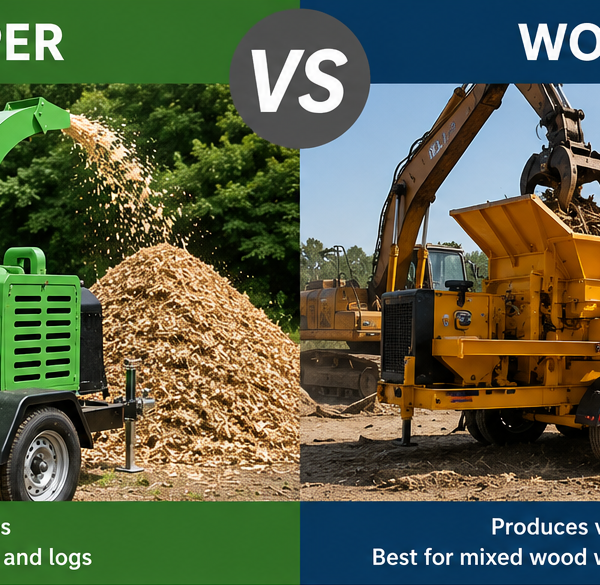
Small Wood Crusher for Home Business: 5 Profitable Ideas
Why More Home-Based Entrepreneurs Are Looking at Wood Waste
When people think about starting a home-based business, they usually imagine online stores, food products, crafts, or small workshops.
Few people pay attention to something that is often available for free: Wood waste.
Tree branches, orchard trimmings, sawmill offcuts, landscaping debris, storm cleanup material, and construction wood scraps are generated every day in almost every country.
Many property owners pay to dispose of these materials.
At the same time, gardeners, livestock farms, biomass fuel producers, and landscaping companies are willing to buy processed wood products.
This creates an interesting opportunity.
Instead of purchasing expensive raw materials, entrepreneurs can often acquire wood waste at little cost and convert it into marketable products using a small wood crusher.
The key question is not whether wood waste exists.
The key question is how to turn it into income.
Can a Small Wood Crusher Really Make Money?
The answer depends on two factors:
- Access to raw material
- Access to buyers
Many successful small operators start with materials generated on their own properties.
Examples include:
- Tree pruning waste
- Orchard branches
- Farm shelterbelt trimmings
- Firewood offcuts
- Small sawmill residues
Once crushed into uniform wood chips, these materials become products that can be sold rather than disposed of.
Unlike large industrial wood processing businesses, a home-based operation does not require dozens of employees or a large factory. Many operators begin with a single machine and gradually expand. Let’s examine five business models that have shown practical profitability.
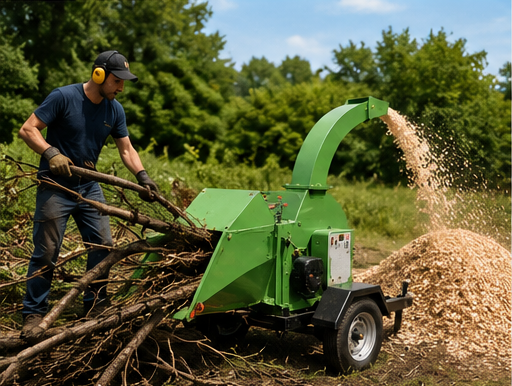
Business Idea #1: Selling Landscape Mulch
Landscape mulch remains one of the simplest entry points for beginners.
Landscaping companies, nurseries, garden centers, and homeowners use wood mulch for:
- Weed suppression
- Moisture retention
- Soil temperature control
- Decorative landscaping
A small wood crusher can convert branches and wood scraps into mulch-sized chips. The startup cost is relatively low because the material source is often local.
One customer in Australia began processing eucalyptus pruning waste generated from local farms. Initially, the chips were produced only for personal use.
Within two years, nearby landscaping contractors became regular buyers. The business eventually expanded into bulk deliveries during peak gardening seasons.
The lesson here is straightforward: A waste stream can become a product stream.
Business Idea #2: Producing Animal Bedding
Livestock operations consume large quantities of bedding material.
Common users include:
- Horse farms
- Poultry farms
- Goat farms
- Sheep farms
- Rabbit breeders
Wood chips help absorb moisture and reduce odors.
Not every type of wood is suitable, and chip size consistency matters. This is where crusher quality becomes important.
Poorly designed machines often produce excessive fines and dust, which reduce product quality. A properly configured small wood crusher can generate uniform material suitable for agricultural customers. Many small farmers already possess a reliable source of raw material, giving them a natural advantage.
Business Idea #3: Supplying Biomass Fuel Material
Biomass fuel continues to gain attention in many regions because of rising energy costs.
Pellet plants often require pre-processed wood material.
A home-based entrepreneur may not own a pellet mill, but supplying crushed raw material can still create income.
Materials include:
- Branches
- Wood offcuts
- Pallet waste
- Orchard trimmings
One supplier in Eastern Europe operates a small crusher and sells processed feedstock directly to a nearby pellet producer. The crusher became the first step in a larger biomass supply chain.
This model works particularly well when pellet plants already exist within transportation distance.
Business Idea #4: Garden Waste Recycling Service
Many property owners dislike dealing with piles of branches after seasonal pruning. Municipal collection services are often limited or expensive.
A growing number of entrepreneurs offer mobile crushing services. Instead of transporting branches away, the operator arrives with a compact crusher and processes material on-site.
Customers benefit from:
- Reduced disposal costs
- Immediate cleanup
- Reusable mulch production
The operator earns revenue from service fees rather than product sales. This business model requires mobility and works especially well in suburban and rural areas.
Business Idea #5: Decorative Wood Chip Products
Decorative wood chips can command significantly higher prices than ordinary mulch.
Common markets include:
- Landscape architects
- Public parks
- Commercial properties
- Garden centers
Colored wood chips have become increasingly popular for decorative landscaping projects. The raw material may cost very little, while finished products can achieve attractive profit margins.
Several small operators begin with natural wood chips and later expand into colored mulch production as demand grows. This creates opportunities for product diversification without major equipment upgrades.
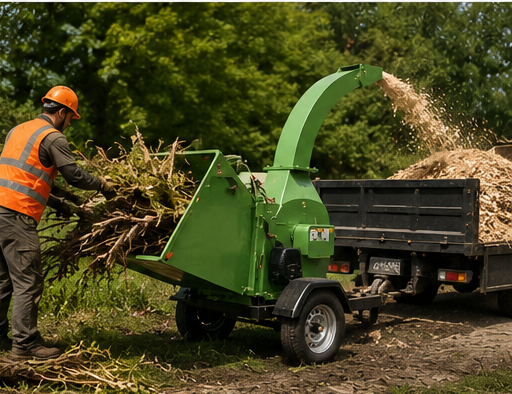
Real Application Scenario #1
A retired property owner in Canada managed approximately 15 acres containing mixed woodland. Every year, large quantities of branches accumulated after maintenance work.
Initially, disposal costs exceeded several thousand dollars annually. After purchasing a compact electric wood crusher, the owner began producing landscape mulch.
Within the first season:
- Disposal expenses were eliminated
- Local gardeners purchased excess mulch
- Equipment investment started paying back
The business eventually generated supplementary retirement income.
Real Application Scenario #2
A small farmer in Southeast Asia operated a mixed fruit orchard. Seasonal pruning created a large volume of branch waste.
Rather than burning the material, the farmer used a small crusher to process the branches. Part of the chips remained on-site as organic mulch.
The remaining material was sold to a nearby biomass fuel producer. The project generated additional revenue while reducing waste management costs.
How to Choose the Right Small Wood Crusher
Many first-time buyers focus exclusively on price. This often leads to disappointment.
The right machine should match:
- Raw material size
- Production volume
- Available power source
- Transportation requirements
A homeowner processing garden branches has different requirements than a contractor offering mobile services.
Before requesting quotations, buyers should answer:
- What material will be processed?
- What is the maximum branch diameter?
- How many hours will the machine operate weekly?
- Is electricity available?
- Will the machine remain stationary or mobile?
Clear answers simplify equipment selection and reduce purchasing mistakes.
Product Comparison: Electric vs Gasoline vs Diesel
Electric Wood Crusher
Best For:
- Fixed locations
- Workshops
- Farms with stable electricity
Advantages:
- Lower operating cost
- Reduced maintenance
- Lower noise levels
Limitations: Requires electrical infrastructure
Gasoline Wood Crusher
Best For:
- Residential users
- Small properties
- Occasional operation
Advantages:
- Easy mobility
- Lower purchase cost
Limitations:
- Lower output capacity
- Higher fuel expense per ton processed
Diesel Wood Crusher
Best For:
- Commercial operators
- Mobile services
- Rural locations
Advantages:
- Strong mobility
- Higher productivity
Limitations:
- Increased maintenance requirements
- Higher fuel consumption
The best option depends on the business model rather than machine price.
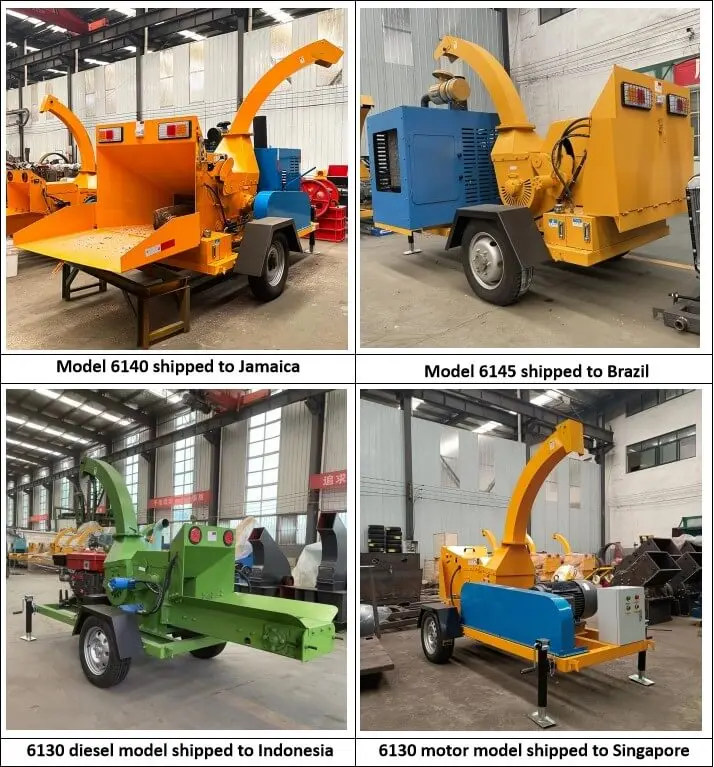
Common Purchasing Risks First-Time Buyers Face
Risk #1: Buying Based Only on Capacity
Many suppliers advertise theoretical output figures.
Actual performance depends heavily on:
- Material moisture
- Feedstock size
- Operator experience
- Request testing videos whenever possible.
Risk #2: Ignoring Spare Parts Availability
Hammers, blades, screens, bearings, and belts eventually wear.
Before ordering, ask:
- What spare parts are included?
- What are lead times?
- Are replacement components stocked?
Machine downtime can quickly eliminate profits.
Risk #3: Voltage Mismatch
One of the most common export issues involves electrical compatibility.
Buyers should confirm:
- Voltage
- Frequency
- Phase requirements
Examples include:
- 220V / 50Hz
- 380V / 50Hz
- 415V / 50Hz
- 460V / 60Hz
Incorrect motor configuration may delay installation and increase costs.
Export Experience from Chinese Manufacturers
After years of exporting wood crushing equipment, several lessons repeatedly emerge. Many first-time buyers underestimate transportation requirements.
Proper export packaging should include:
- Steel-frame protection
- Moisture-resistant wrapping
- Spare parts separation
- Clear labeling
Customers should request loading photos before shipment departure. These records help avoid misunderstandings during delivery.
Documentation should include:
- Packing list
- Commercial invoice
- User manual
- Electrical drawings
Careful preparation reduces customs and installation issues.
FAT Testing Before Shipment
Professional manufacturers normally perform Factory Acceptance Testing before shipment.
Typical FAT procedures include:
1、No-Load Testing
Verifies:
- Motor operation
- Rotor balance
- Bearing temperature
2、Material Testing
Verifies:
- Crushing performance
- Output size consistency
- Machine stability
3、Electrical Verification
Checks:
- Control systems
- Emergency stop functions
- Safety protection devices
Many overseas customers request video documentation when factory visits are not possible. A short FAT video often reveals more than a product brochure.
Should You Start with a Small Wood Crusher?
For entrepreneurs with access to wood waste, a small crusher can become the foundation of several practical businesses. Success rarely depends on machine size.
It depends on understanding local demand, securing raw material supply, and selecting equipment that matches the intended business model.
The most profitable operators are often those who identify a waste problem and turn it into a useful product.