Your position:
PRODUCTS LIST
Last News
Inquiry
Introduction
Product Description:
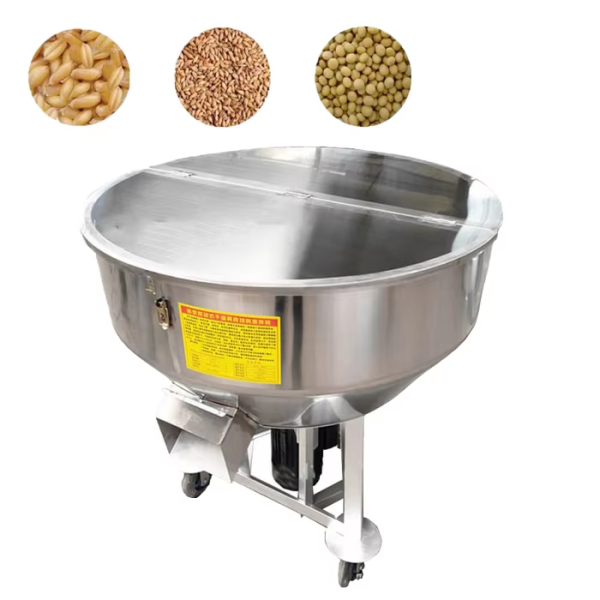
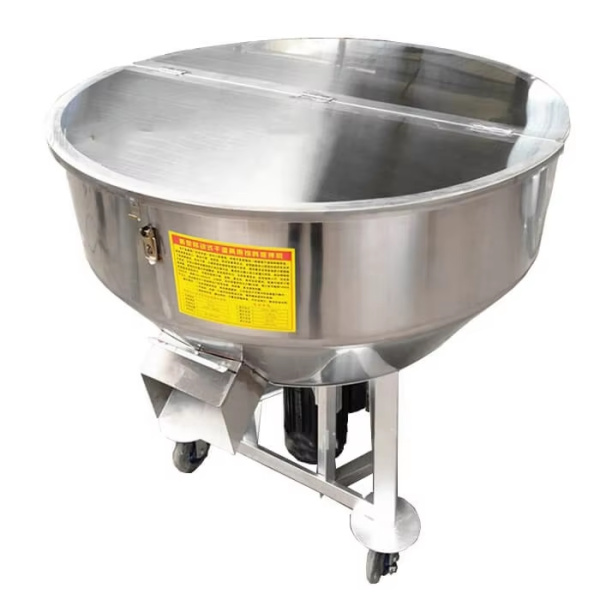
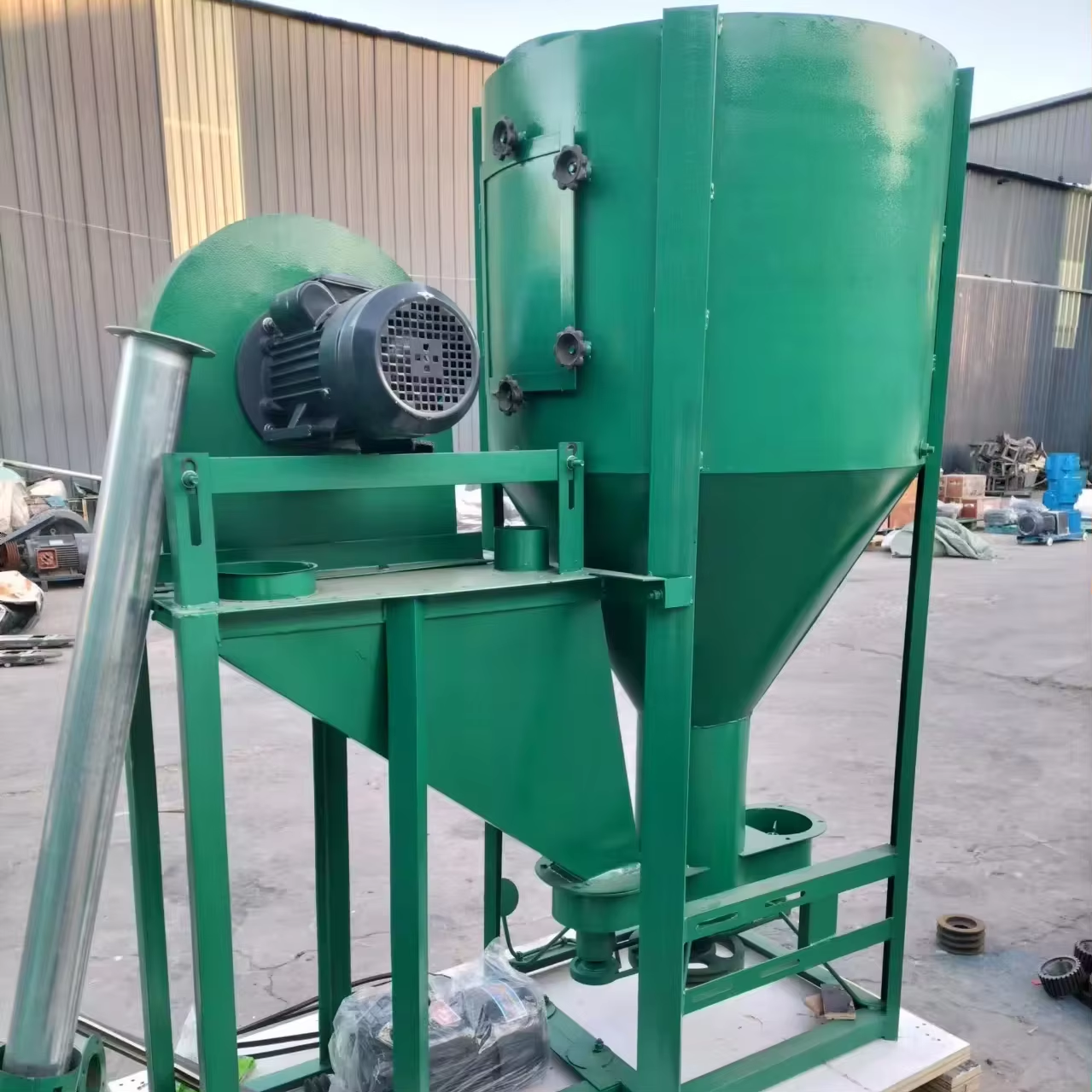
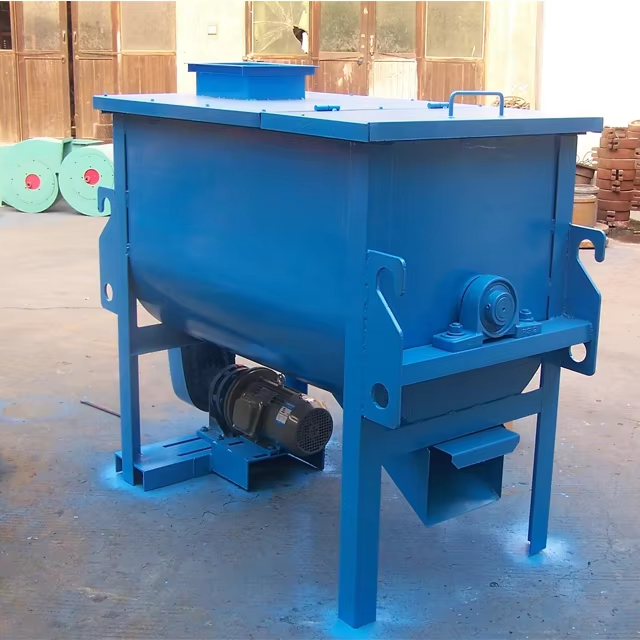
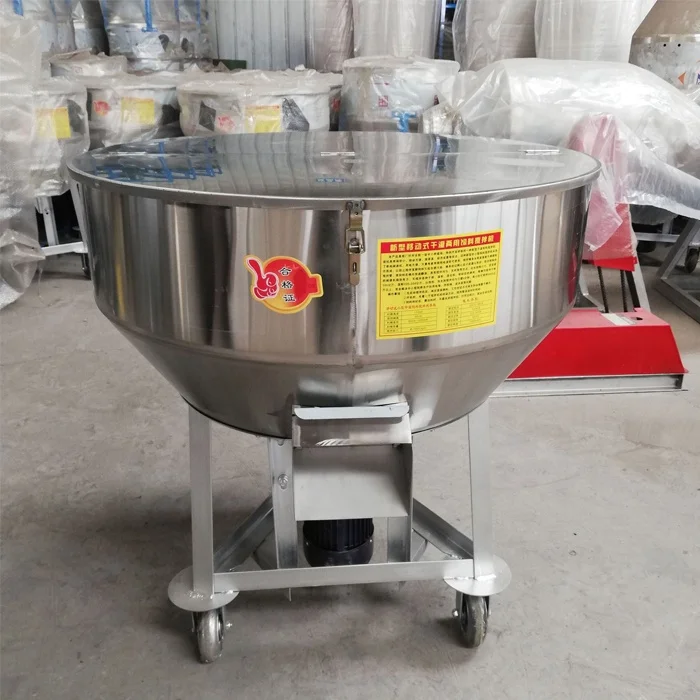
A feed mixing machine combines different feed ingredients – grains, protein meals, premixes, vitamins, minerals, and sometimes liquids (oil, molasses) – into a uniform blend. Proper mixing ensures every animal gets balanced nutrition.
Main types
| Type | How it works | Best for |
|---|---|---|
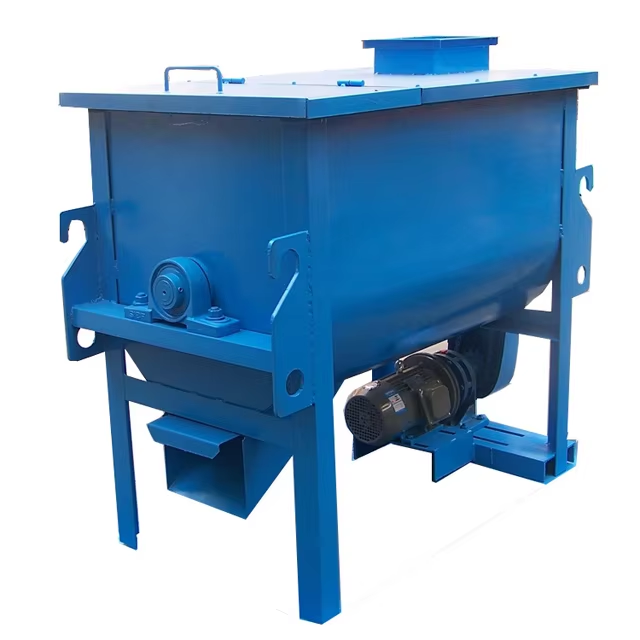
| Horizontal ribbon mixer | Double ribbons rotate, moving material in opposite directions. | High uniformity, short mixing time (3–5 min). Poultry, pig, aqua feed. |
| Horizontal paddle mixer | Paddles push and fold material. | Liquid addition, gentle mixing. |
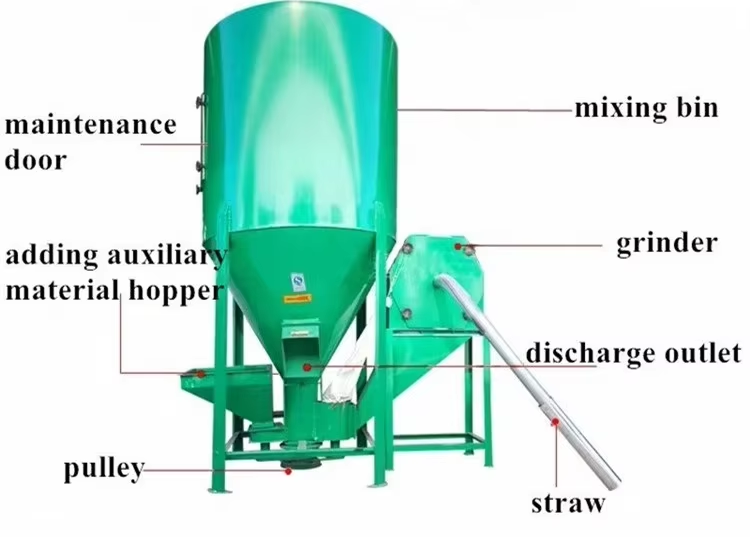
| Vertical auger mixer | Screw lifts material to top, it falls back down. | Small farms, dry feed, lower cost. |
| Twin shaft paddle mixer | Two shafts with paddles, very fast mixing. | Large feed mills, high capacity, CV < 5%. |
What materials can be mixed
-
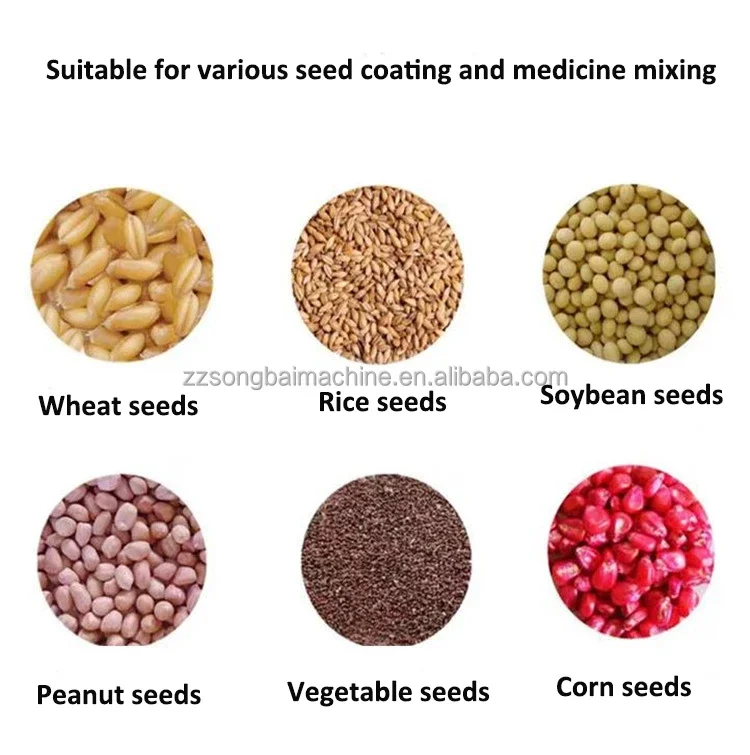
Dry powders: corn meal, soybean meal, wheat bran, rice husk powder
-
Premixes: vitamins, minerals, additives
-
Coarse grains: cracked corn, pellets (gentle mixing required)
-
Liquids: oil, molasses, water (requires paddle or ribbon with spray nozzles)
Typical applications
-
Poultry feed (broiler, layer, chick)
-
Pig feed (starter, grower, finisher)
-
Cattle and sheep feed (with or without TMR)
-
Fish and shrimp feed (pre‑mixing before extrusion)
-
Horse and rabbit feed
How to choose
-
Batch size – How many kg per batch? Match machine capacity.
-
Type of material – Fine powders mix easily; coarse or sticky materials need more powerful mixing.
-
Mixing time – Ribbon mixers take 3–6 minutes; twin shaft paddles take 30–60 seconds.
-
Uniformity needed – For premixes and expensive additives, choose a mixer with CV < 5%.
-
Liquid addition – If adding oil or molasses, choose a paddle or twin shaft mixer with spray system.
-
Power source – Most use 3‑phase electric. Small vertical mixers can run on single phase.
Complete feed mixing line
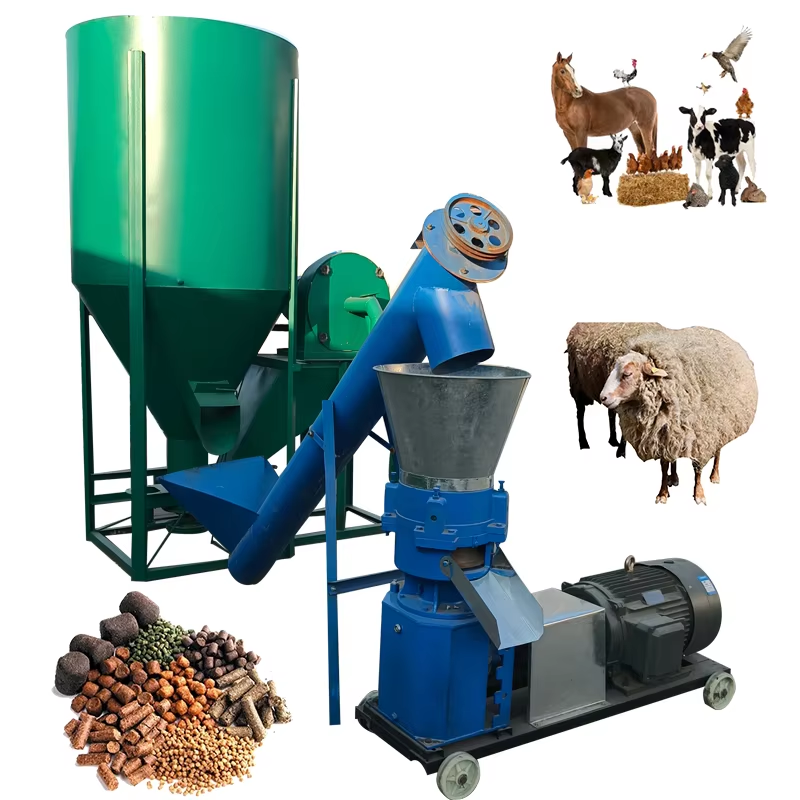
A typical small feed mixing line includes:
-
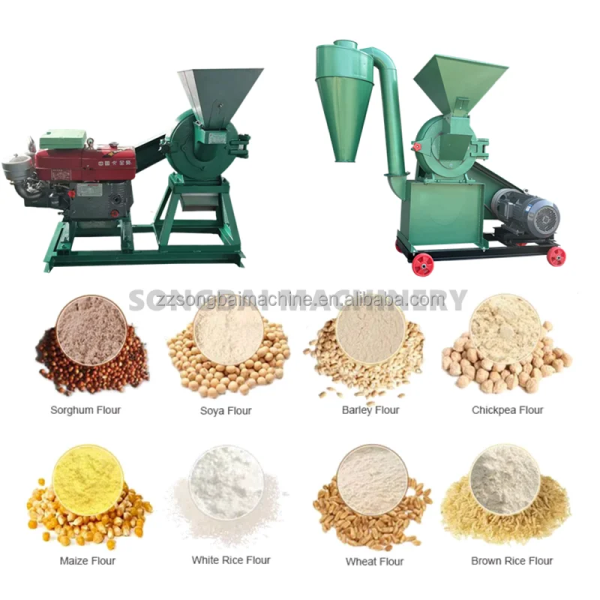
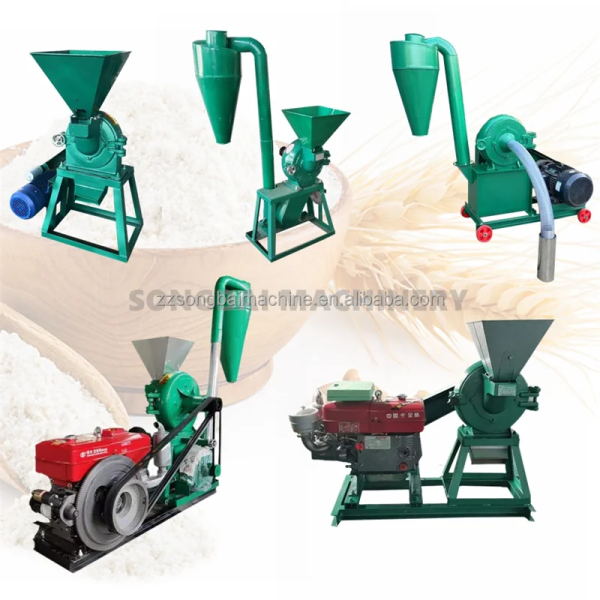
Hammer mill (grinds grain into powder)
-
Feed mixing machine (blends ingredients)
-
Auger or bucket elevator (transfers material)
-
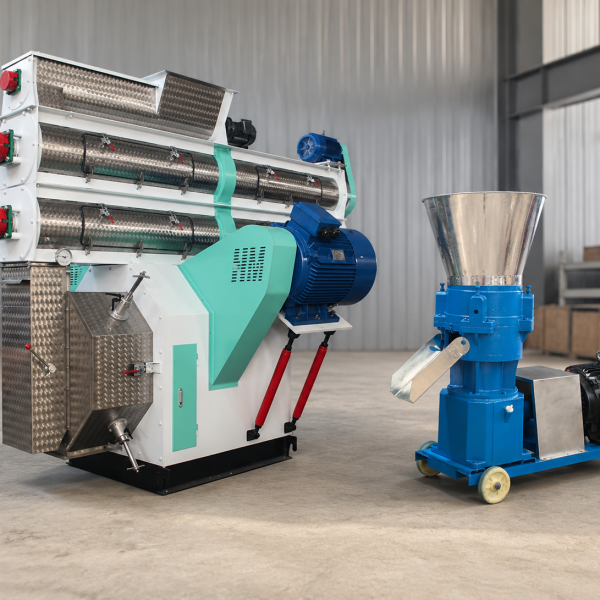
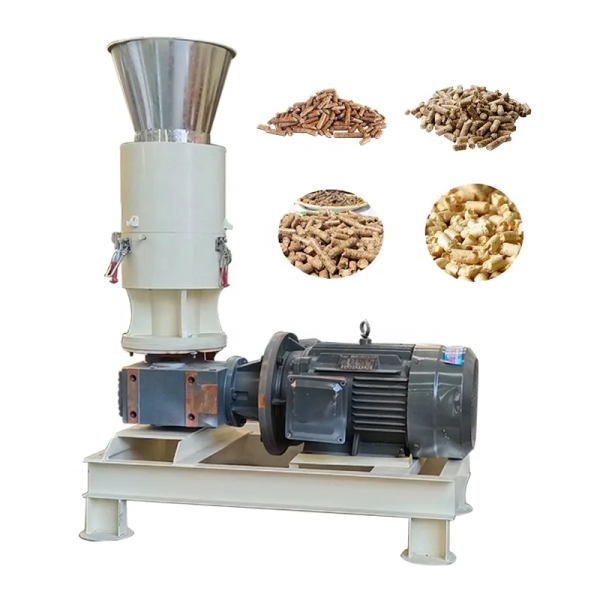
Pellet machine (optional, for making pellets)
-
Packing scale (bags the final feed)
Maintenance tips
-
Clean after each batch if switching recipes to avoid cross‑contamination.
-
Check ribbons/paddles for wear every month.
-
Lubricate bearings and gearbox as instructed.
-
Keep the discharge door seal tight to prevent leakage.
-
Do not overload the machine – follow rated batch capacity.
Safety notes
-
Turn off power before opening the mixing chamber.
-
Keep hands away from moving parts.
-
Use a guard on the top opening.
A feed mixing machine helps you make customized feed with consistent quality. It saves money compared to buying pre‑mixed commercial feed and gives you full control over ingredients. Simple, reliable, and efficient.
Inquiry
Please feel free to submit your inquiry information to us. We will contact with you as soon as possible.
Related products