Your position:
PRODUCTS LIST
Last News
Inquiry
Introduction
Product Description:
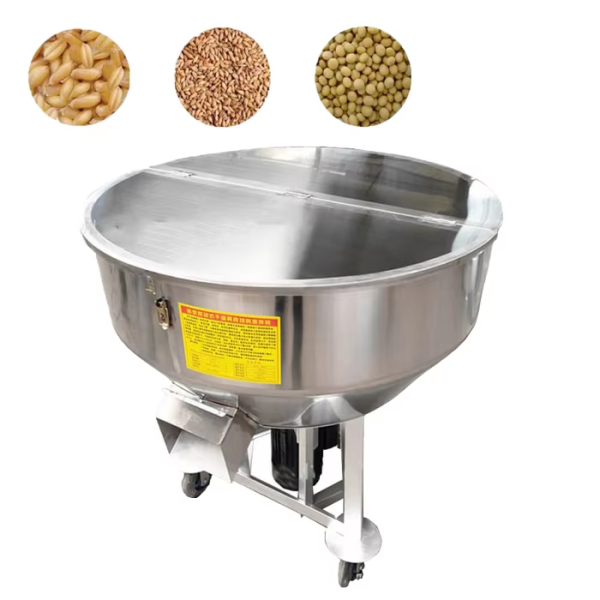
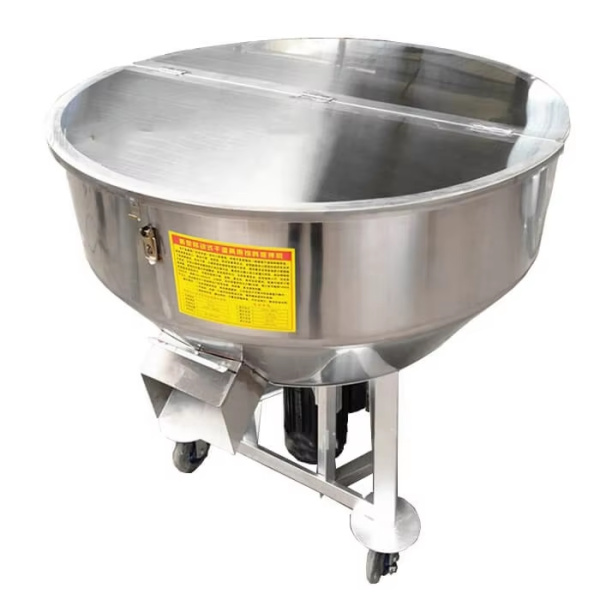
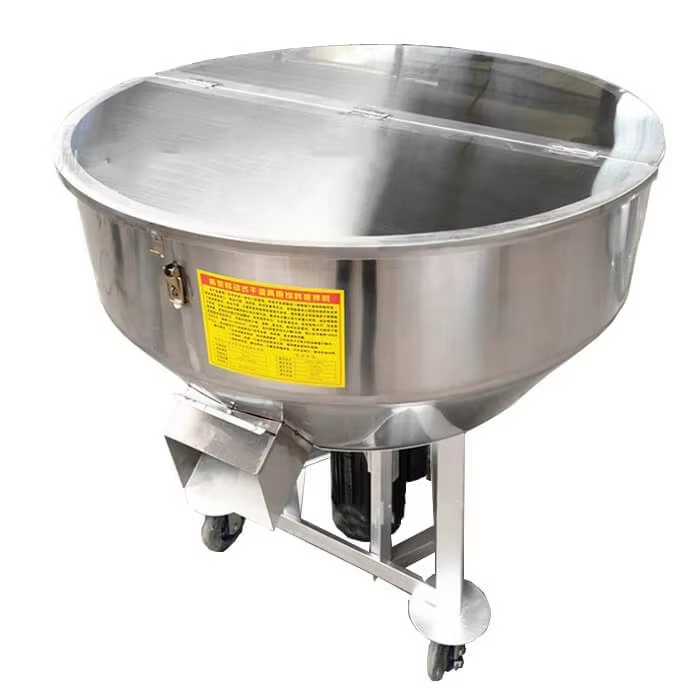
A feed mixer is a machine that blends different feed ingredients – grains, protein meals, vitamins, minerals, and additives – into a uniform mixture. Proper mixing ensures every animal gets balanced nutrition in every bite, which is essential for growth, health, and productivity.
What Can It Mix?
| Material Type | Examples |
|---|---|
| Grains | Corn, wheat, sorghum, barley, rice |
| Protein meals | Soybean meal, fish meal, bone meal |
| Additives | Vitamins, minerals, premixes |
| Liquids (optional) | Molasses, oil, water |
How It Works
Raw materials are loaded into the mixing chamber through the feed inlet. Inside the chamber, rotating blades, ribbons, or paddles lift, tumble, and fold the material until all ingredients are evenly distributed. Once mixed, the finished feed is discharged through the outlet. The entire process takes 3–6 minutes per batch. Simple structure ensures easy operation and maintenance.
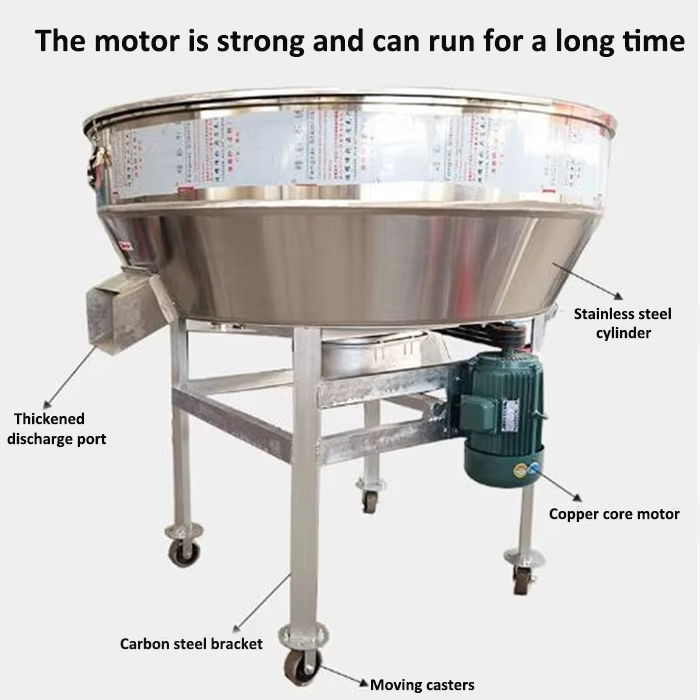
Main Types of Feed Mixers
| Type | How It Works | Best For |
|---|---|---|
| Horizontal ribbon mixer | Dual helical ribbons move material in opposite directions | High uniformity, short mixing time (3–6 min). Poultry, pig, aqua feed |
| Horizontal paddle mixer | Paddles push and fold material gently | Preserving delicate ingredients, liquid addition |
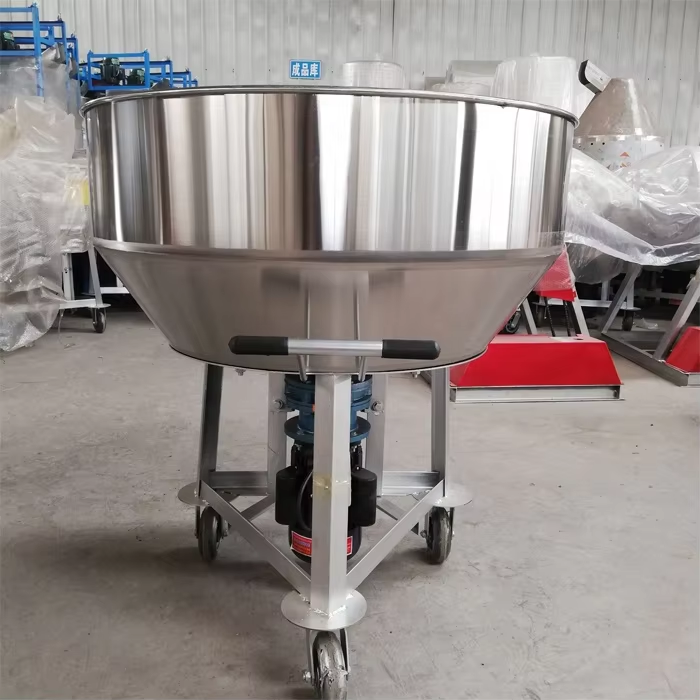
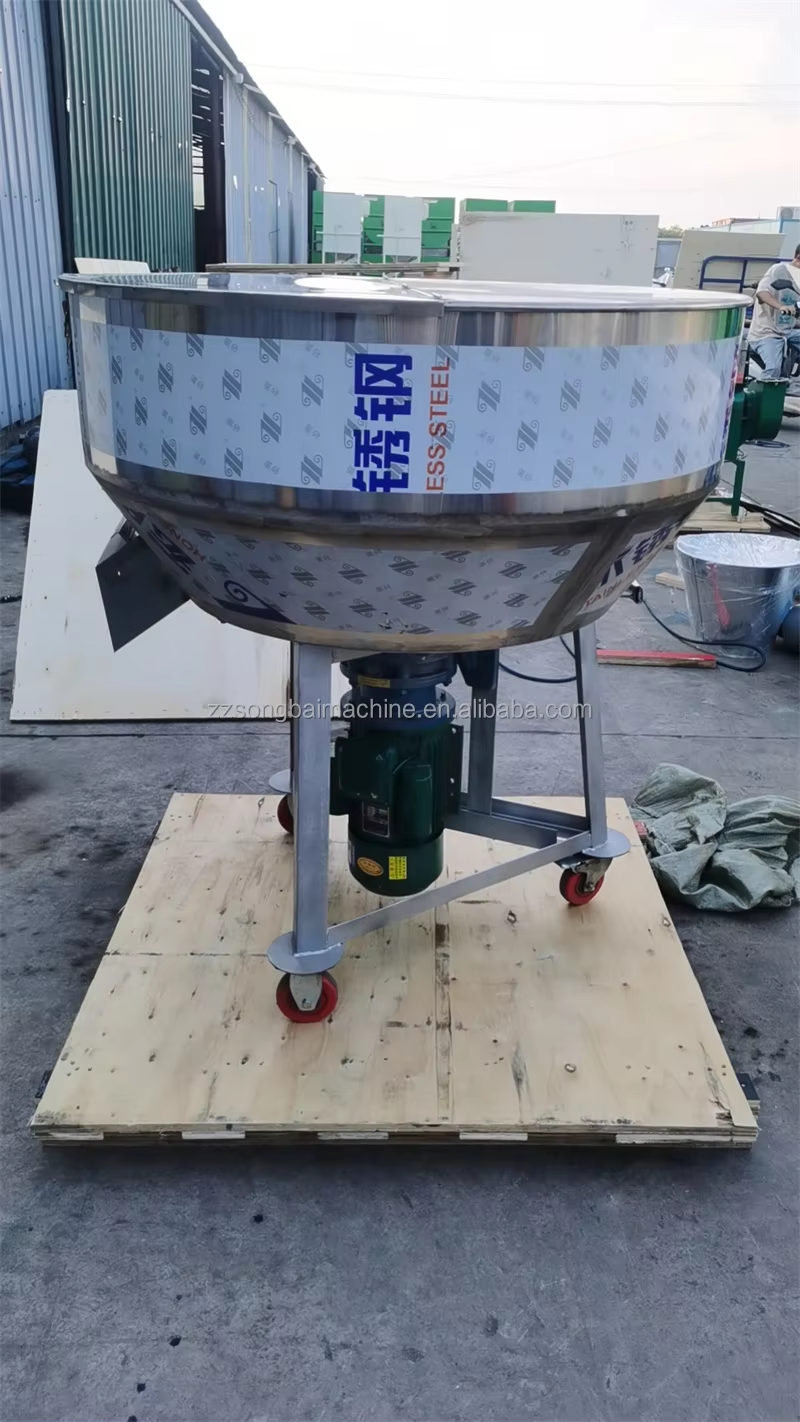
| Vertical auger mixer | Screw lifts material to top, it falls back down | Small farms, dry feed, lower cost |
| Twin-shaft mixer | Two intermeshing shafts with paddles | Large feed mills, very fast mixing, high capacity |
Key Features
-
Uniform mixing – coefficient of variation (CV) ≤ 7% ensures consistent quality
-
Stainless steel contact parts – food grade, corrosion resistant, easy to clean
-
Multiple capacity options – 50kg to 2000kg per batch
-
Simple maintenance – reasonable structure, reliable performance
-
Compact design – saves floor space
Typical Applications by Livestock
| Animal | Feed Type | Mixer Recommendation |
|---|---|---|
| Poultry (chickens, ducks) | Finely ground grains, protein meals, vitamins | Horizontal ribbon or paddle mixer |
| Pigs | Grains, protein sources, minerals | Horizontal ribbon mixer |
| Cattle | Forages, grains, supplements | Vertical or TMR mixer |
| Fish | Fine powders, oils | Horizontal paddle mixer |
| Sheep, goats | Mixed grains, roughage | Vertical or horizontal mixer |
Common Applications
-
Poultry farms – preparing chicken, duck, and turkey feed
-
Pig operations – mixing swine feed for all growth stages
-
Cattle operations – dairy and beef feed, including TMR (Total Mixed Ration)
-
Feed mills – producing commercial animal feed
-
Fish and shrimp farms – aqua feed production
-
Small farms – family-scale feed production
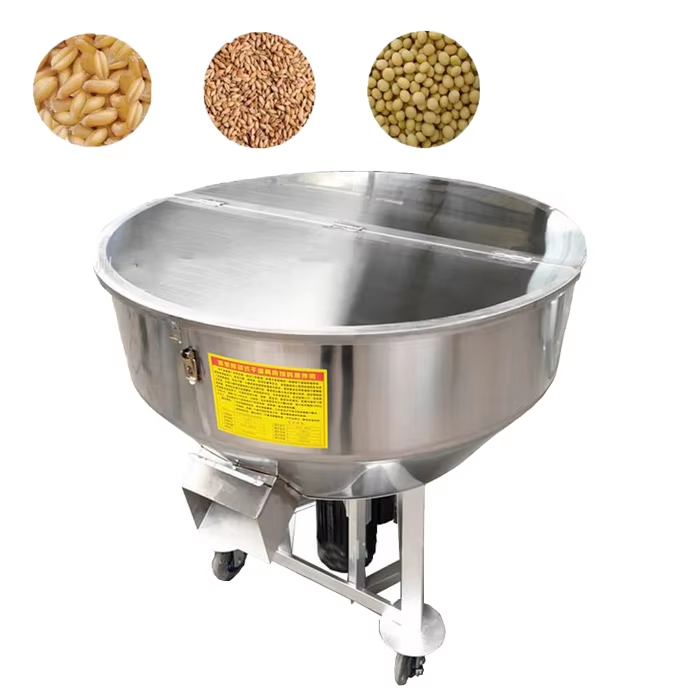
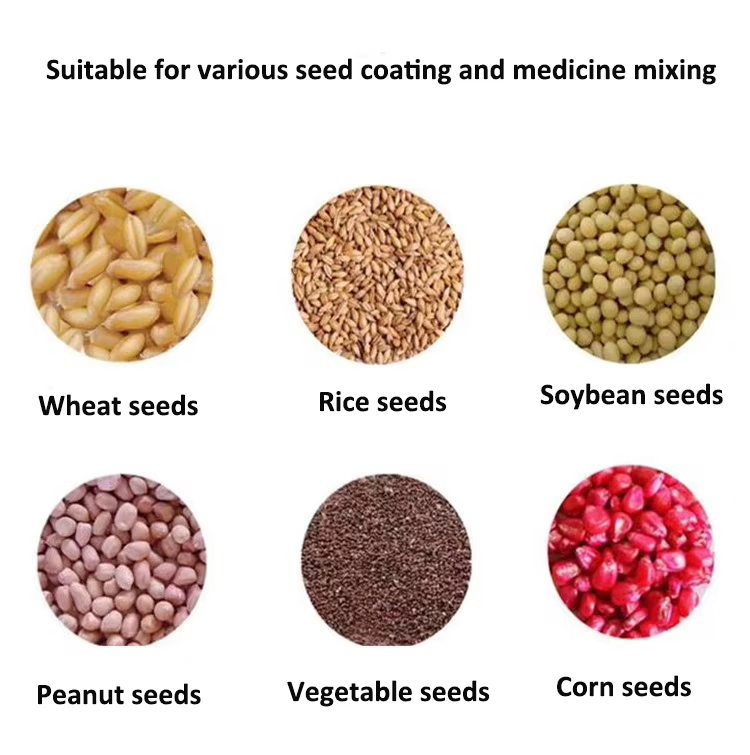
Technical Specifications (Typical Models)
| Parameter | Small | Medium | Large |
|---|---|---|---|
| Batch capacity | 50 – 250 kg | 500 – 1000 kg | 1500 – 2000 kg |
| Power | 1.5 – 2.2 kW | 3 – 11 kW | 15 – 30 kW |
| Mixing time | 3 – 6 min | 3 – 6 min | 6 min |
| Uniformity (CV) | ≤ 7% | ≤ 7% | ≤ 7% |
| Material | Carbon steel / Stainless steel | Same | Same |
How to Choose the Right Feed Mixer
-
Batch size – how many kg do you need per batch? Match machine capacity to your daily feed requirement.
-
Type of ingredients – dry powders, pellets, or liquids? Different materials need different blade designs.
-
Livestock type – poultry needs fine, uniform mixing; cattle needs larger volumes with fibrous materials.
-
Mixer type – horizontal for high uniformity and speed; vertical for small farms and lower cost.
-
Material – stainless steel for food-grade or wet applications; carbon steel for dry feed.
-
Budget – small vertical mixers start around $500–1500; commercial horizontal models range $3000–15000+.
Why Choose a Feed Mixer?
-
Save time – manual mixing is slow and inconsistent. A mixer does the job in minutes.
-
Consistent quality – every batch is uniform, ensuring animals get balanced nutrition.
-
Reduce waste – even mixing means less feed is rejected or wasted.
-
Cost-effective – make your own feed instead of buying pre-mixed commercial feed.
-
Full control – know exactly what goes into your animals’ diet.
Maintenance Tips
-
Clean the mixing chamber after each batch, especially when switching recipes
-
Check blades/ribbons for wear monthly – replace when worn
-
Lubricate bearings and gearbox as per manual
-
Keep the discharge door seal tight to prevent leakage
-
Do not overload the machine – follow rated batch capacity
Safety Notes
-
Turn off power before opening the mixing chamber
-
Keep hands away from moving parts
-
Install safety guards on top openings
A feed mixer helps you produce consistent, high-quality feed with less labor and lower cost. Whether you run a small family farm, a medium livestock operation, or a commercial feed mill, there is a model that fits your needs. Simple to operate, built to last.
Inquiry
Please feel free to submit your inquiry information to us. We will contact with you as soon as possible.
Related products