Your position:
PRODUCTS LIST
Last News
Inquiry
Introduction
Product Description:
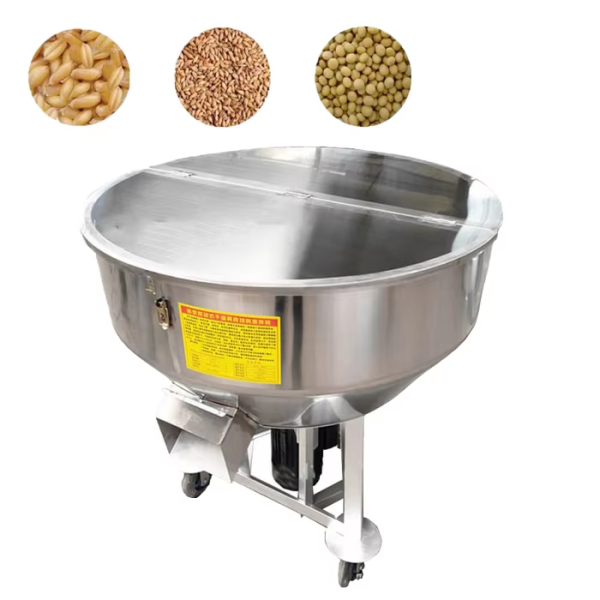
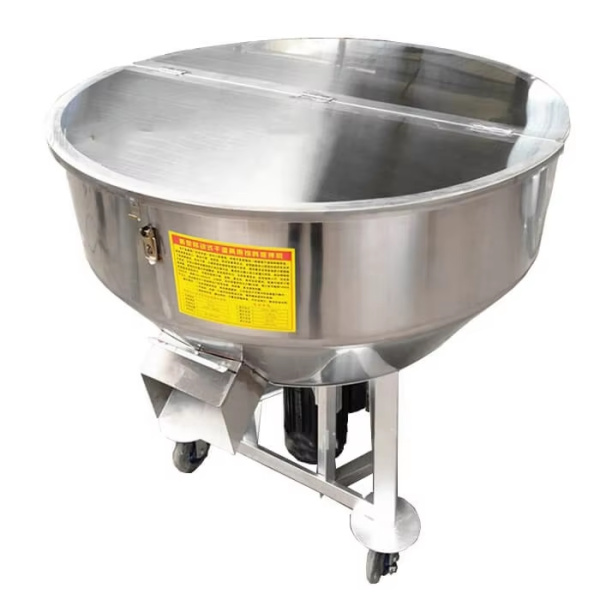
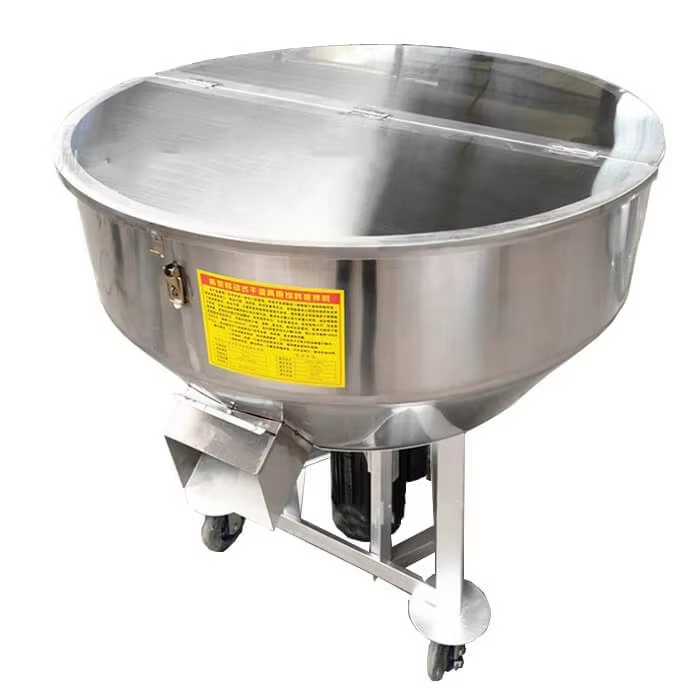
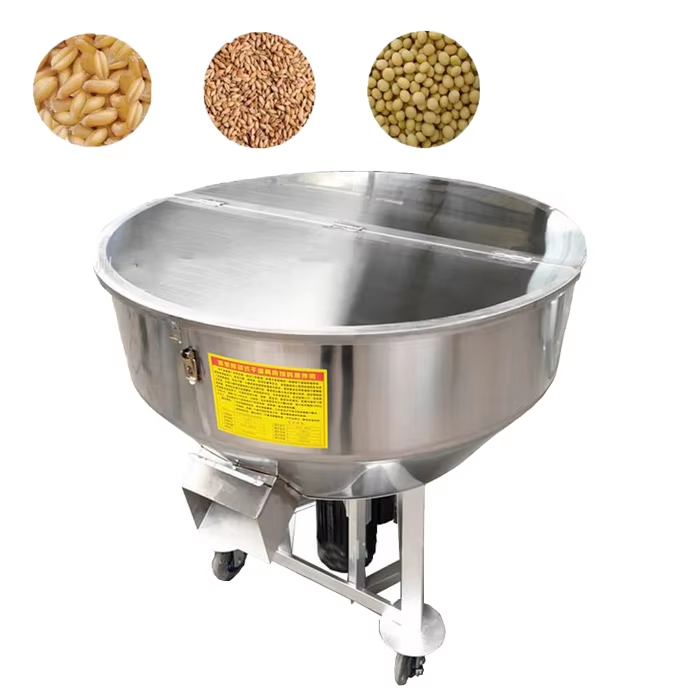
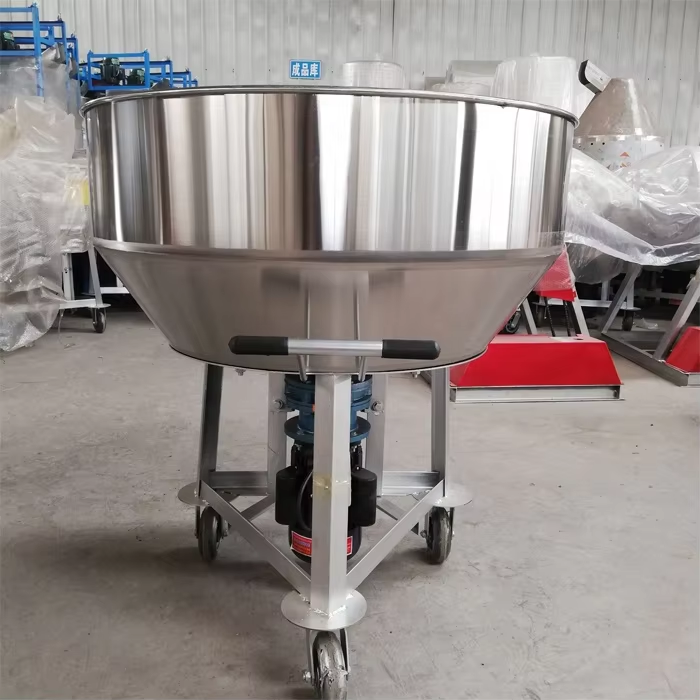
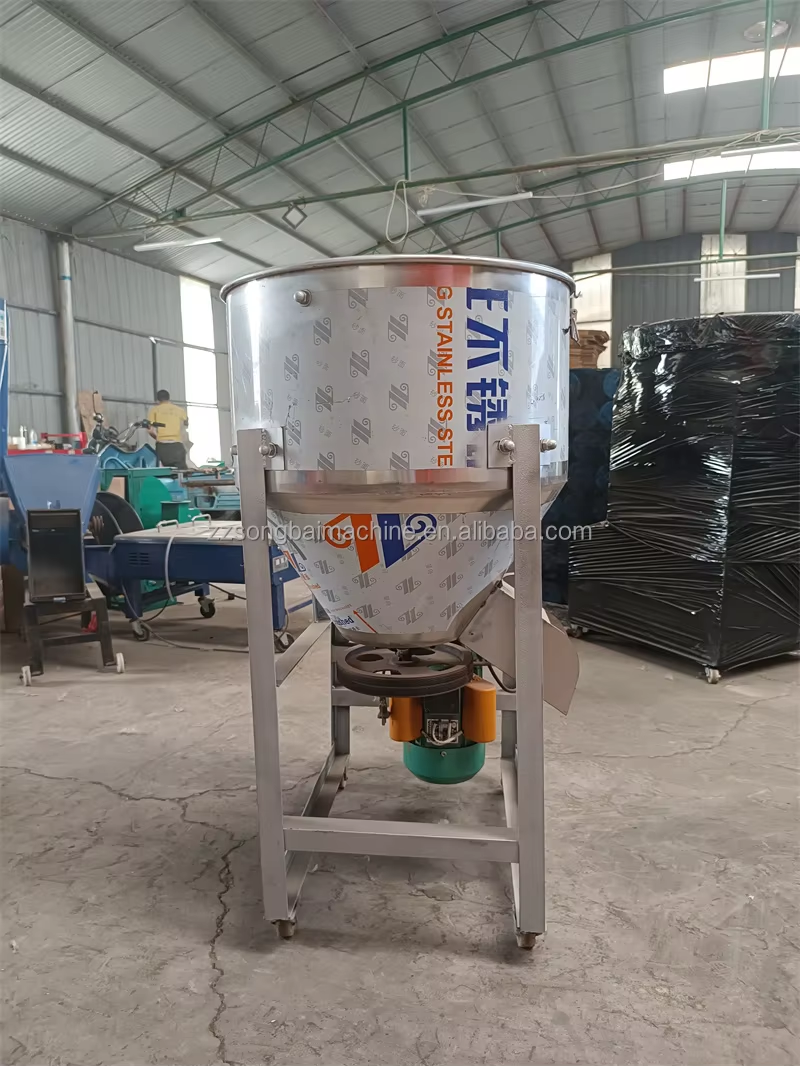
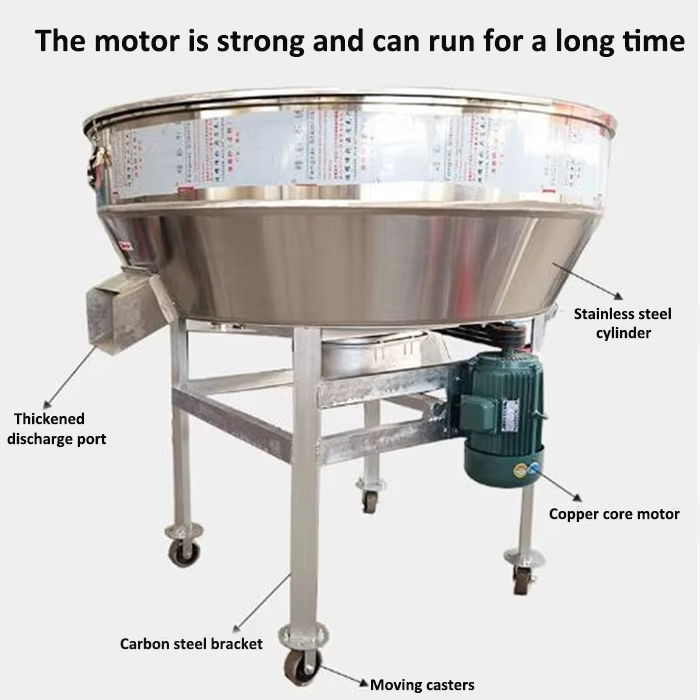
A vertical feed mixer is a feed processing machine that uses one or more vertical screws (augers) to lift ingredients to the top of a tall cylindrical chamber, where they fall by gravity to the bottom, mixing and re-elevating in a continuous cycle. This simple yet effective design makes it one of the most common types of mixers found in small livestock feed mills and farms.
Key Advantages of Vertical Mixers
| Advantage | Description |
|---|---|
| Lower cost | Less expensive to purchase and operate compared to horizontal mixers |
| Space-saving | Smaller footprint, ideal for cramped feed mills or farms |
| Wide availability | Many options in the market; readily available |
| Simple operation | Easy to use with minimal training required |
| Low maintenance | Fewer moving parts than horizontal mixers |
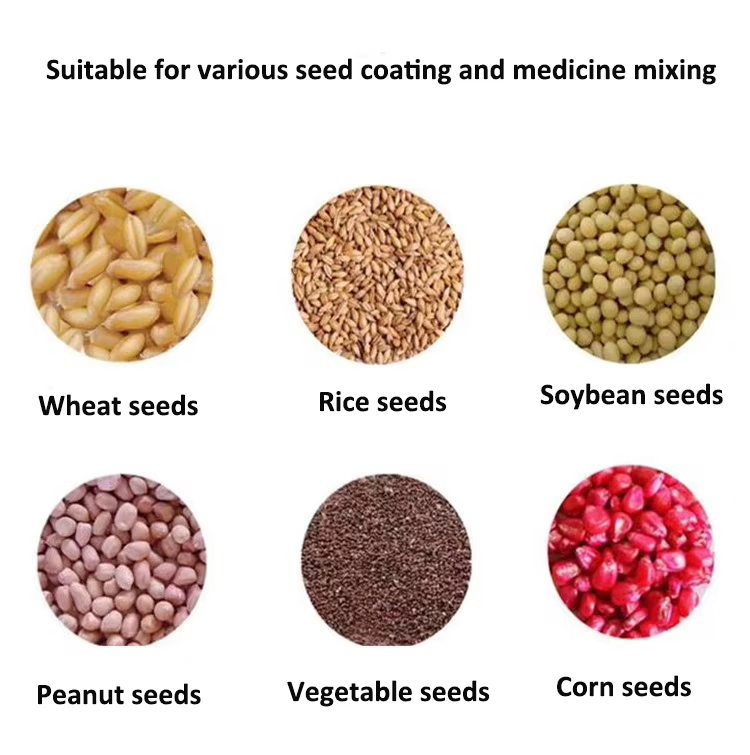
| Multi-purpose | Can also mix seeds, chemical raw materials, and granular materials |
What Can It Mix?
| Material Type | Examples |
|---|---|
| Grains | Corn, wheat, sorghum, barley, rice |
| Protein meals | Soybean meal, fish meal, bone meal |
| Premixes | Vitamins, minerals, additives |
| Fibrous materials | Hay, silage, straw (with sufficient power) |
| Other | Seeds, chemical powders, granular materials |
Typical Applications
| Application | Details |
|---|---|
| Small farms | Mixing feed for chickens, pigs, cattle, sheep |
| Feedlots | Preparing total mixed rations (TMR) for cattle |
| Small feed mills | Producing compound feed for local sale |
| Seed treatment | Coating seeds with protectants and dressings |
Technical Specifications (Typical Models)
| Parameter | Small | Medium | Large |
|---|---|---|---|
| Batch capacity | 50 – 300 kg | 500 – 1000 kg | 1500 – 2000 kg |
| Power | 2.2 – 4 kW | 5.5 – 11 kW | 15 – 30 kW |
| Mixing time | 5 – 10 min | 5 – 10 min | 8 – 12 min |
| Material | Carbon steel / Stainless steel | Same | Same |
Vertical vs Horizontal – Which to Choose?
| Factor | Vertical Mixer | Horizontal Mixer |
|---|---|---|
| Cost | Lower | Higher |
| Space | Smaller footprint | Larger footprint |
| Mix uniformity | Good (CV ≤ 10%) | Excellent (CV ≤ 7%) |
| Wet ingredients | Not suitable | Suitable |
| Liquid addition | Limited | Good |
| Best for | Small farms, dry feed, TMR | Commercial mills, aqua/poultry feed |
How to Choose the Right Vertical Feed Mixer
-
Batch size – How many kg per batch? Match capacity to your daily feed requirement.
-
Type of ingredients – Dry grains and meals work best; fibrous materials need more power.
-
Livestock type – Cattle operations benefit from TMR mixing; poultry may need finer blending.
-
Space – Vertical mixers are ideal for farms with limited floor space.
-
Budget – Vertical mixers offer a more affordable entry point.
-
Material – Stainless steel for food-grade or wet applications; carbon steel for dry feed.
Why Choose a Vertical Feed Mixer?
-
Affordable – Lower purchase and operating costs than horizontal alternatives
-
Space-efficient – Fits in smaller workshops and farm buildings
-
Easy to operate – Simple controls, minimal training needed
-
Versatile – Mixes grains, meals, premixes, and even seeds
-
Proven design – One of the most common mixers in small livestock operations
Maintenance Tips
-
Clean the mixing chamber after each batch, especially when switching recipes
-
Check the auger (screw) for wear monthly – replace if worn
-
Lubricate bearings and gearbox as per manual
-
Keep the discharge door seal tight to prevent leakage
-
Do not overload the machine – follow rated batch capacity
Safety Notes
-
Turn off power before opening the mixing chamber
-
Keep hands away from moving parts (auger)
-
Install safety guards on top openings
A vertical feed mixer is a practical, affordable, and space-saving solution for small to medium farms and feed mills. It handles dry grains, protein meals, and premixes with ease, delivering consistent results batch after batch. Simple to operate and built to last.
Inquiry
Please feel free to submit your inquiry information to us. We will contact with you as soon as possible.
Related products