Your position:
PRODUCTS LIST
Last News
Inquiry
Introduction
Product Description:
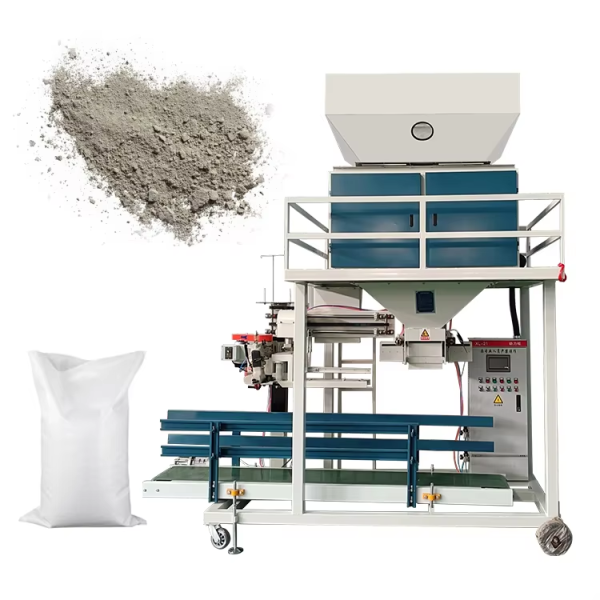
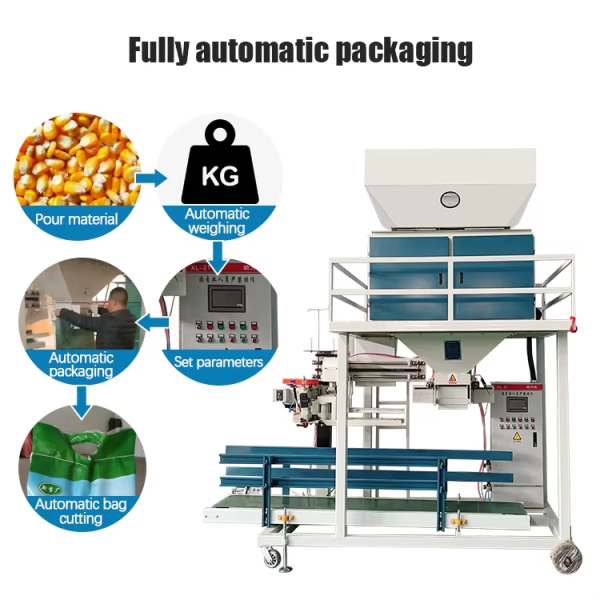
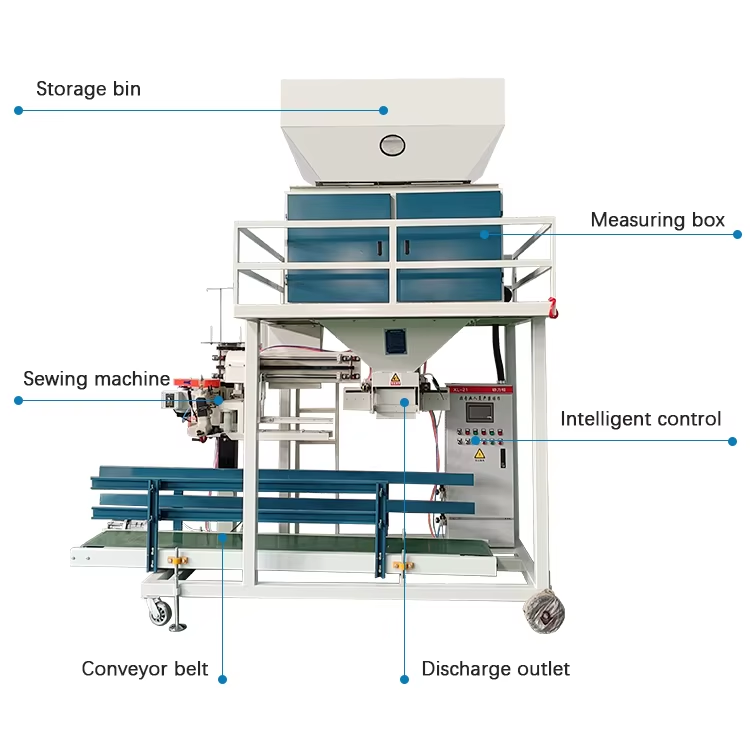
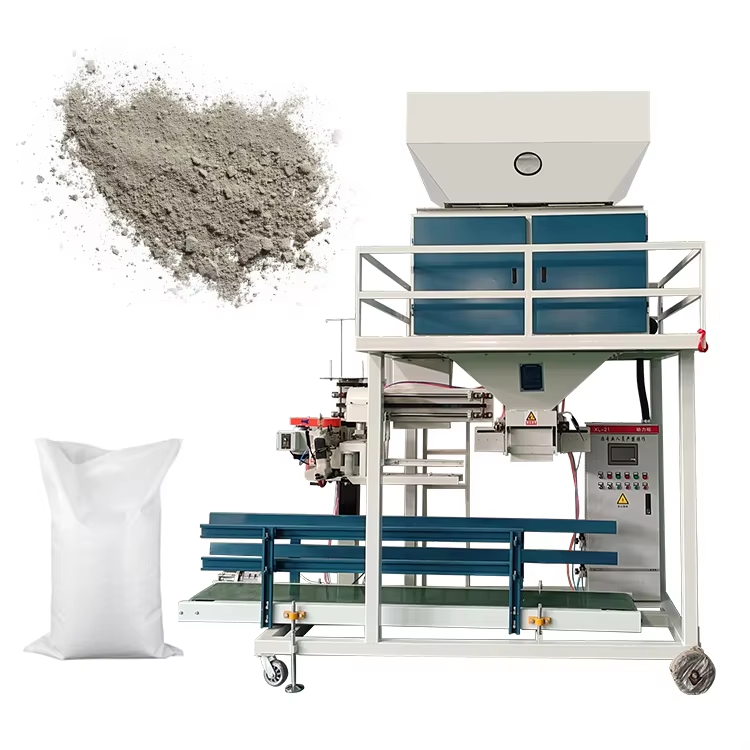
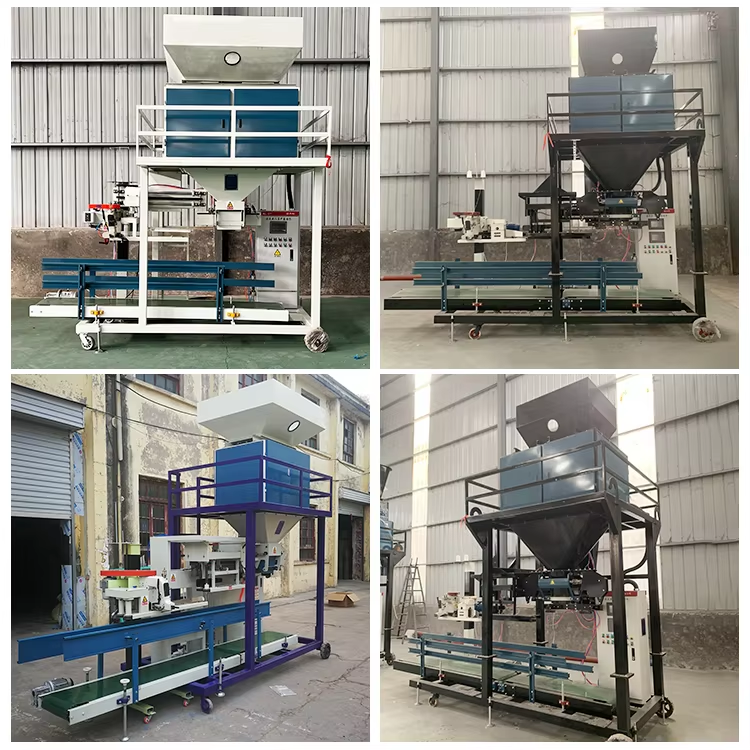
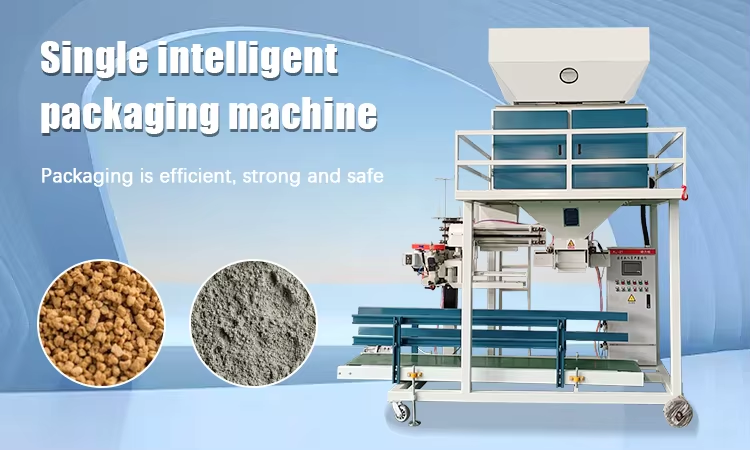
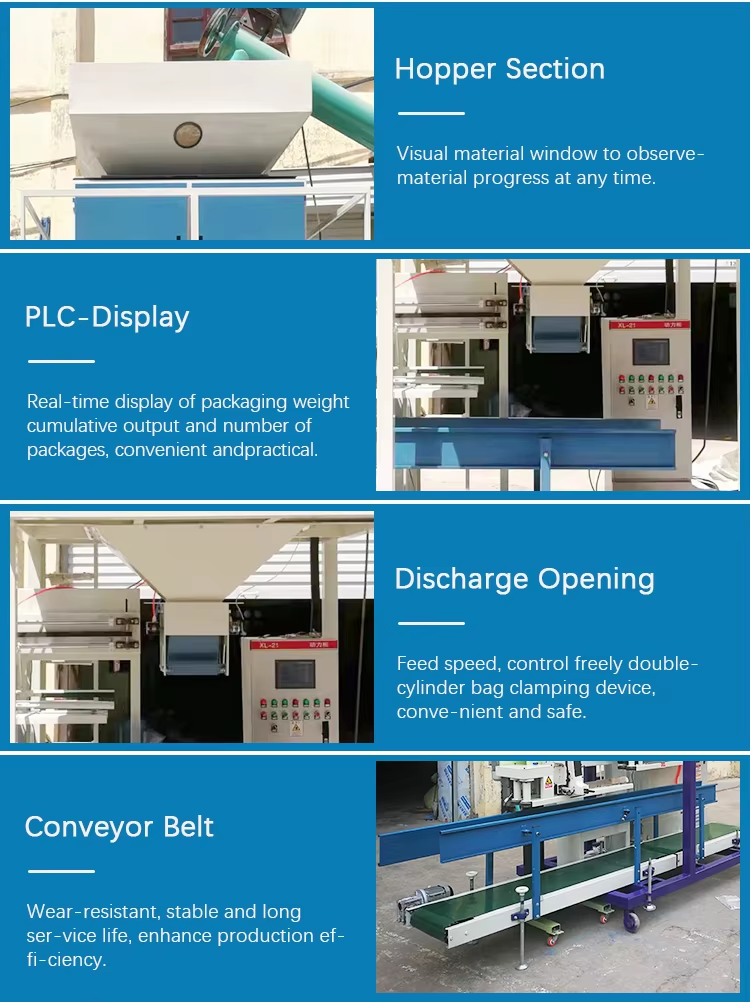
An automatic bagging machine is a fully automated, single‑station system designed for weighing, filling, and sealing solid particles and powders into open‑mouth bags. It integrates a storage bin for material holding, a measuring box (weighing hopper) for precise weighing, a conveyor belt for bag transport, and a sewing machine for bag closure – all controlled by an intelligent PLC system with a touch screen interface. This compact design makes it ideal for small to medium production lines in agriculture, feed milling, chemical, and food processing industries.
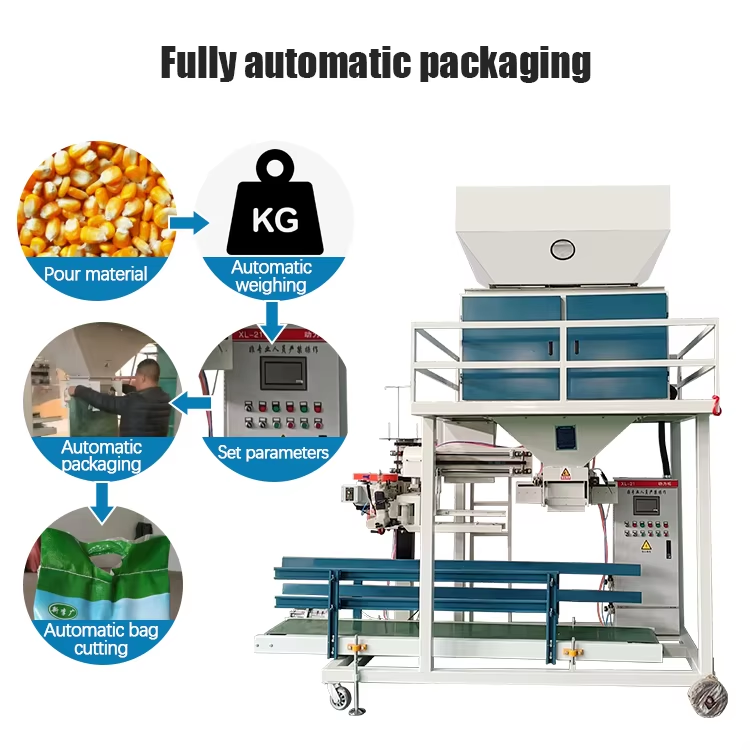
How It Works – Automatic Process
The machine operates in one continuous cycle:
-
Material feeding – product is loaded into the storage bin (hopper), which feeds into the measuring box.
-
Automatic weighing – the measuring box uses load cells to precisely measure each batch (typical accuracy ±0.2%–0.5%).
-
Bag filling – an empty bag is placed at the discharge outlet, and the measured material is released into the bag.
-
Bag conveying – the filled bag moves along the conveyor belt to the sewing station.
-
Automatic sewing – the sewing machine closes the bag top with stitched seal (or heat seal, depending on model).
-
Discharge – the finished bag is conveyed out for stacking or palletizing.
All parameters – weighing target, filling speed, conveyor timing, sewing settings – are set on the intelligent touch screen control panel. One operator can run the machine while doing other tasks.
Key Features
-
Intelligent PLC control – stores multiple recipes for different products and bag weights
-
Touch screen interface – easy to set parameters, monitor production, and diagnose faults
-
Single station design – compact, saves floor space, easy to maintain
-
High weighing accuracy – ±0.2%–0.5% using electronic load cell system
-
Automatic sewing system – integrates bag sewing machine for strong, reliable closure
-
Conveyor belt – moves filled bags smoothly to the sewing station and discharge
-
Storage bin with feeding control – ensures consistent material flow to the weighing hopper
-
Durable construction – contact parts in stainless steel or carbon steel (food‑grade options available)
-
Low maintenance – simple mechanical design with few wearing parts
Typical Applications by Industry and Material
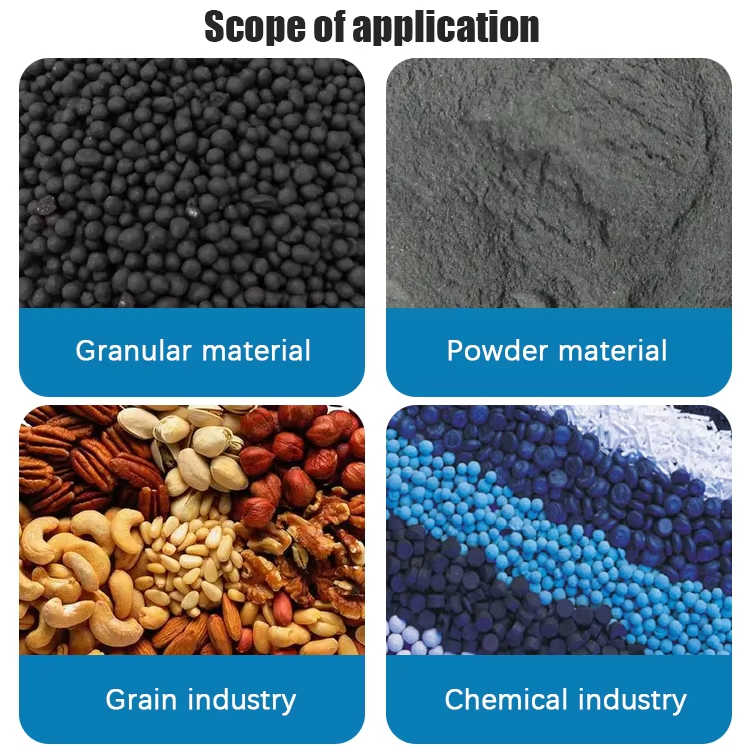
| Industry | Materials |
|---|---|
| Agriculture / Grain | Corn, wheat, rice, soybean, barley, oats |
| Feed milling | Animal feed pellets, poultry feed, pig feed, fish feed |
| Fertilizer | NPK fertilizer, organic fertilizer, compound fertilizer, urea |
| Chemical | Plastic pellets, resin, rubber granules, chemical powders |
| Biomass | Wood pellets, biomass fuel pellets |
| Food | Flour, sugar, salt, coffee beans, seeds, nuts |
| Other | Building materials, sand, minerals |
Bag Styles Supported
This machine is designed for open‑mouth bags (woven bags, paper bags, plastic bags). The bag is manually placed at the filling spout or automatically fed (on higher‑end models). After filling, the bag moves to the sewing station for closure. It can also be configured for heat sealing or fold‑and‑sew closure.
How to Choose the Right Automatic Packing Machine
-
Product type – free‑flowing granules (grain, pellets) or fine powders (flour, chemical powder)? Different feeding and weighing systems may be needed.
-
Bag weight – 5‑25 kg (small bags) or 25‑50 kg (large bags)? Choose the weighing range accordingly.
-
Bagging speed – how many bags per hour? 200‑300 bags/h for small operations; 400‑500 bags/h for medium production.
-
Bag material – woven bags (need sewing), paper/plastic bags (may need heat sealing). Ensure the machine has the right closure system.
-
Space – single station machines are compact; check floor space requirements.
-
Material characteristics – dusty materials may need a dust collection system; sticky materials may need special hopper design.
-
Budget – entry‑level models start ~$5,000–8,000; fully automatic with servo and multi‑recipe storage ~$10,000–20,000.
Installation & Operation Requirements
-
Flat, level floor
-
Power: 220V or 380V (single or three phase), depending on model
-
Compressed air: 0.6‑0.8 MPa (for bag clamping and pneumatic components, if equipped)
-
Ventilation: for dusty materials, connect to a dust collection system
-
Bag supply: operator places empty bags at the filling station (manual bag feeding) or uses an automatic bag feeder (optional upgrade)
Maintenance Tips
-
Daily – clean the weighing hopper and discharge outlet; check sewing machine thread and needle
-
Weekly – inspect load cells and conveyor belt tension; clean the touch screen
-
Monthly – lubricate bearings, chains, and sewing machine moving parts
-
Quarterly – calibrate the weighing system with standard weights
-
As needed – replace sewing machine needles, thread, and worn conveyor belts
Why Buy From Us?
-
CE certified, meets international safety standards
-
PLC control with touch screen – easy to operate and troubleshoot
-
Stainless steel contact parts for food‑grade applications
-
Automatic sewing system integrated – no separate sewing machine needed
-
Free product testing – send your material and bag samples for a test run
-
12 months warranty, spare parts stock, lifetime technical support
-
Customizable – we can modify weighing range, bag size, and sealing method per your request
An automatic bagging machine transforms manual bagging into an automated, efficient process. Whether you pack grain, feed, fertilizer, or plastic pellets, it delivers accuracy, speed, and professional results – all in a compact, single‑station design.
Inquiry
Please feel free to submit your inquiry information to us. We will contact with you as soon as possible.