Your position:
PRODUCTS LIST
Last News
Inquiry
Introduction
Product Description:
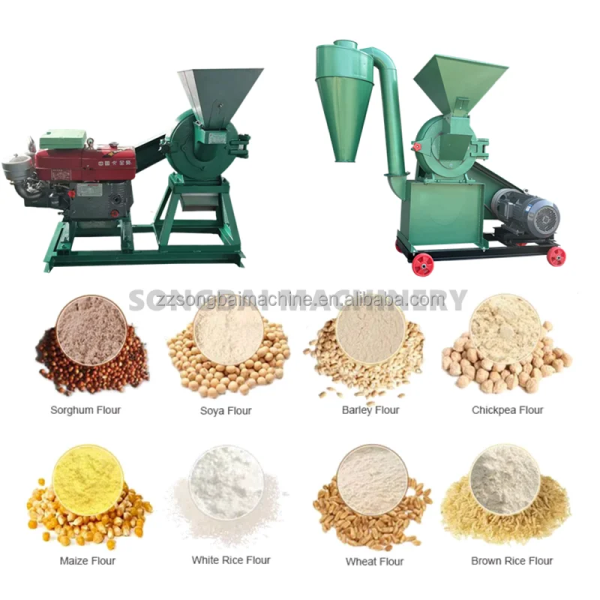
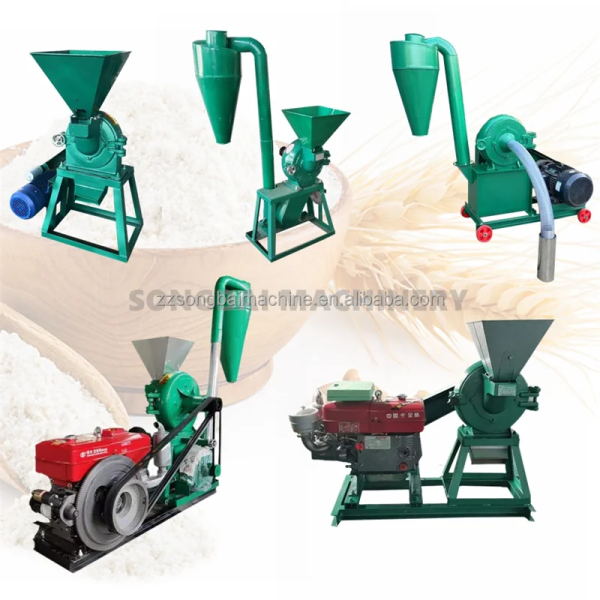
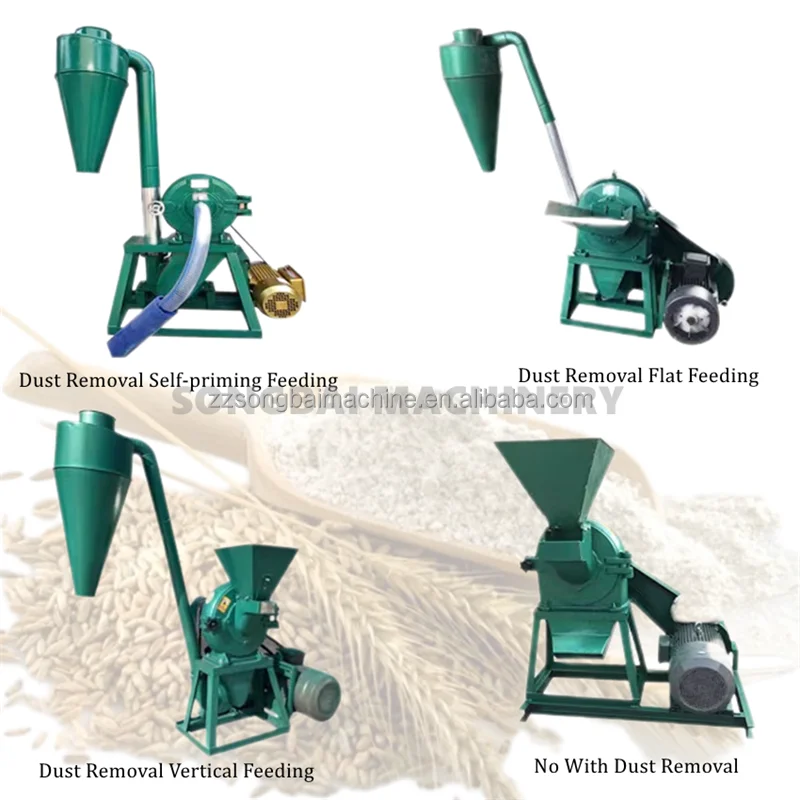
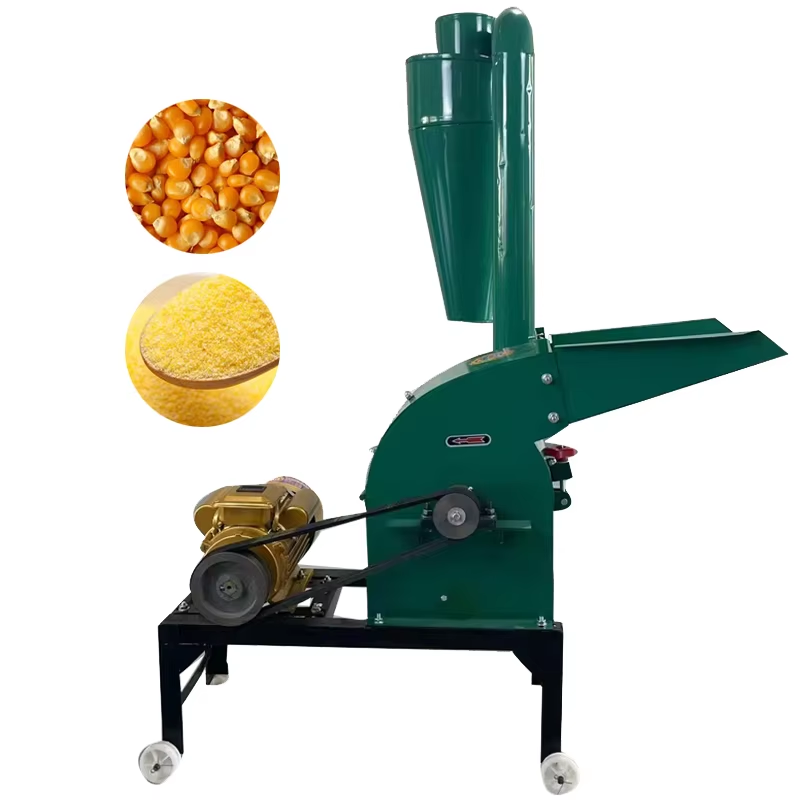
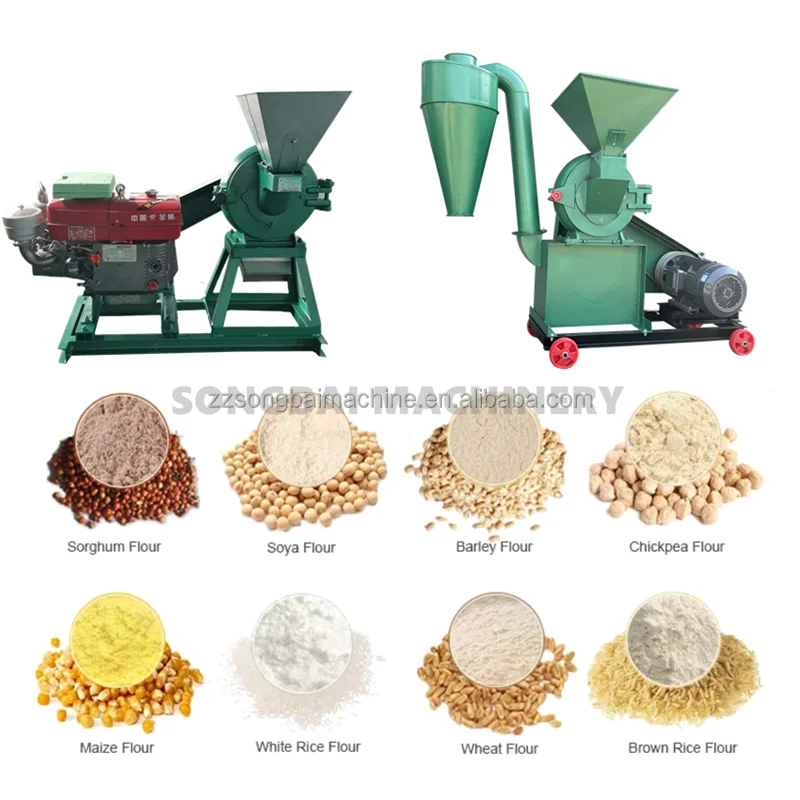
A feed hammer mill is a machine that uses high-speed rotating hammers to crush grains and other feed materials into fine powder or uniform particles. It is the most common grinding equipment in feed mills, farms, and livestock operations.
What Can It Grind?
| Material Type | Examples |
|---|---|
| Grains | Corn, wheat, sorghum, barley, rice |
| Oilseeds | Soybean, rapeseed, cottonseed meal |
| Crop residues | Straw, rice husk, peanut shells |
| Other | Dry grass, feed pellets, bone meal |
How It Works
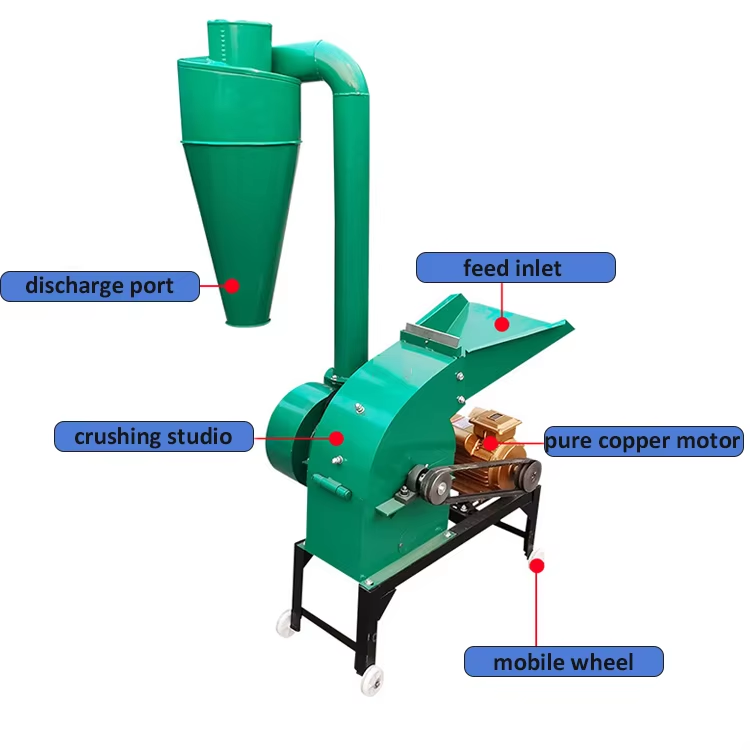
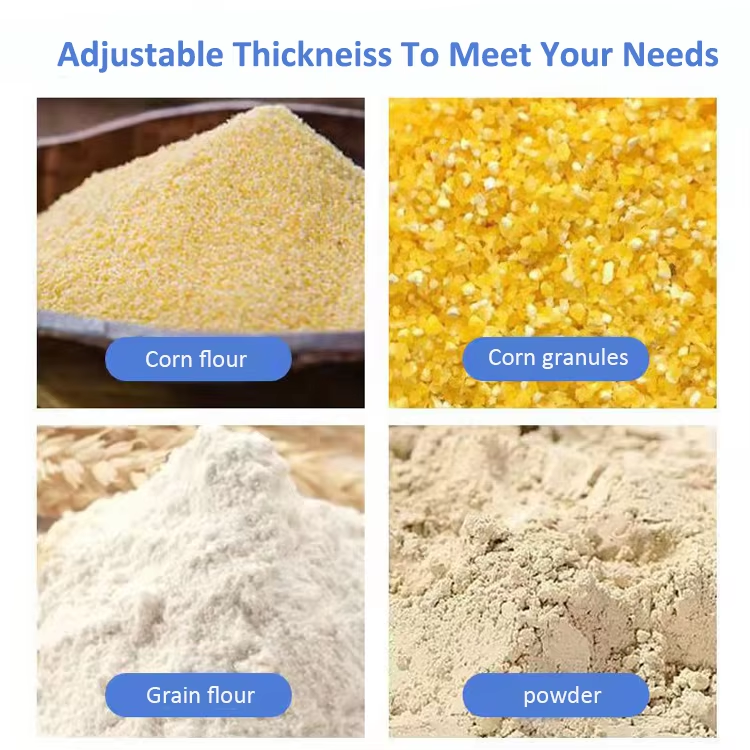
The grinding chamber houses a rotor with multiple hammers that spin at high speed (3200–4000 rpm). As material enters through the feed inlet, the hammers strike it repeatedly against a steel screen. Particles small enough pass through the screen and exit via the discharge port. By changing the screen, you control the final particle size – from coarse meal to fine powder.
Key Features
-
High capacity – efficient grinding with even particle size
-
Durable hammers – wear-resistant, long service life
-
Pure copper motor – runs cooler, lasts longer, provides stable power
-
Heavy duty construction – steel plate welding, sturdy and reliable
-
Easy operation – simple controls, minimal training needed
-
Low maintenance – few wearing parts, easy to service
Typical Applications by Livestock
| Animal | Feed Type | Grind Size |
|---|---|---|
| Poultry (chickens, ducks) | Corn, soybean meal | Fine powder |
| Pigs | Mixed grains | Medium-fine |
| Cattle, sheep | Grains, straw, hay | Coarse |
| Fish | Fine ingredients | Very fine powder |
Common Applications
-
Feed mills – grinding raw materials for pellet production
-
Poultry farms – preparing chicken and duck feed
-
Pig farms – grinding grains for swine feed
-
Cattle operations – coarse grinding for ruminants
-
Aqua feed – fine grinding for fish and shrimp feed
-
Food processing – grinding grains for food products
Technical Specifications (Typical Model)
| Parameter | Value |
|---|---|
| Power | 7.5 – 110 kW (varies by model) |
| Capacity | 200 – 5000+ kg/h |
| Rotor speed | 3200 – 4000 rpm |
| Screen size | 0.8 – 6 mm (adjustable) |
| Motor type | Pure copper (standard) |
| Material | Carbon steel / Stainless steel |
How to Choose the Right Feed Hammer Mill
-
Capacity – small farm: 200–500 kg/h; commercial: 1000–5000+ kg/h
-
Material type – dry grain is easy; fibrous stalks need more power
-
Target fineness – fine powder (smaller screen) or coarse meal (larger screen)
-
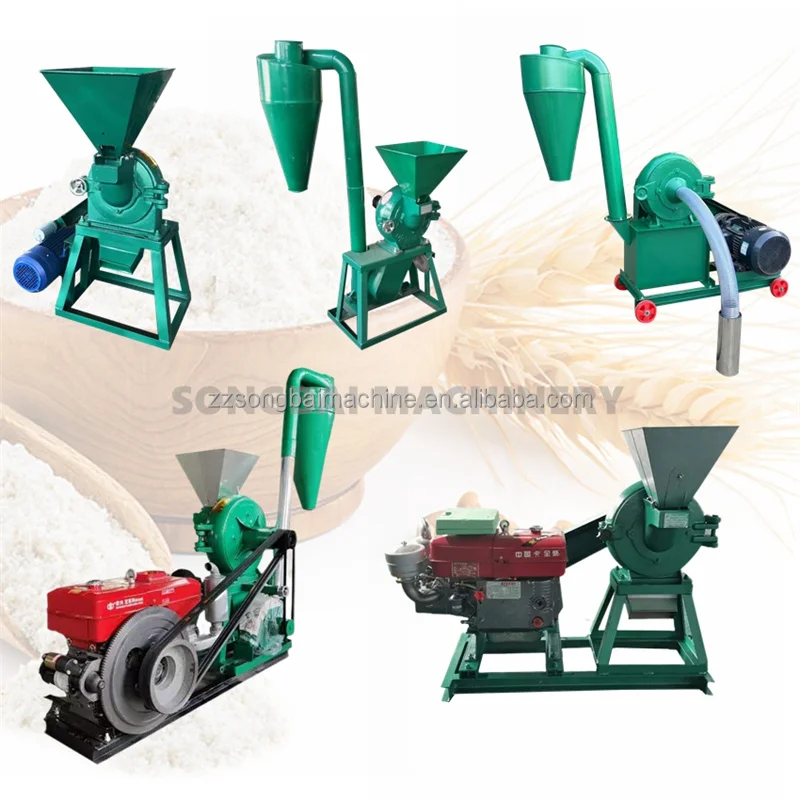
Power source – electric motor (380V standard); diesel engine available for remote areas
-
Space – compact designs fit smaller workshops
Maintenance Tips
-
Check hammers for wear regularly – replace when edges are rounded
-
Inspect screens for holes or deformation – replace if worn
-
Clean the grinding chamber after each use
-
Lubricate bearings as per manual
-
Keep the motor dry and free from dust
A feed hammer mill turns whole grains and agricultural waste into valuable feed. It saves money, reduces dependence on commercial feed, and gives you full control over your animals’ nutrition. Simple to run, built to last.
Inquiry
Please feel free to submit your inquiry information to us. We will contact with you as soon as possible.
Related products