Your position:

PRODUCTS LIST
Last News

Inquiry
Introduction
Product Description
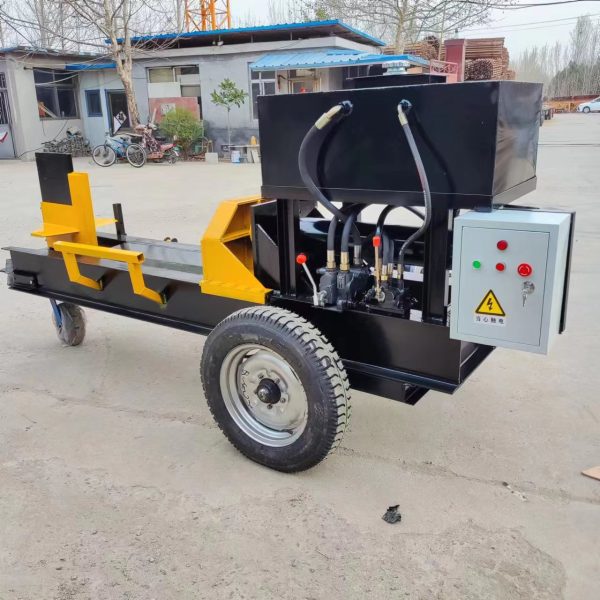
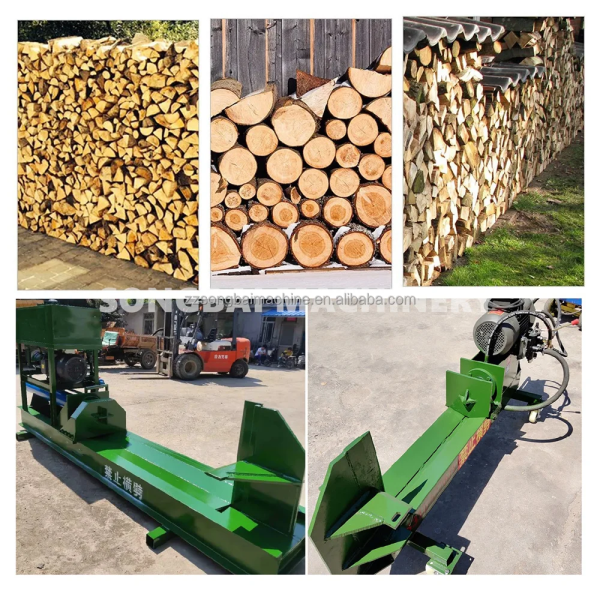
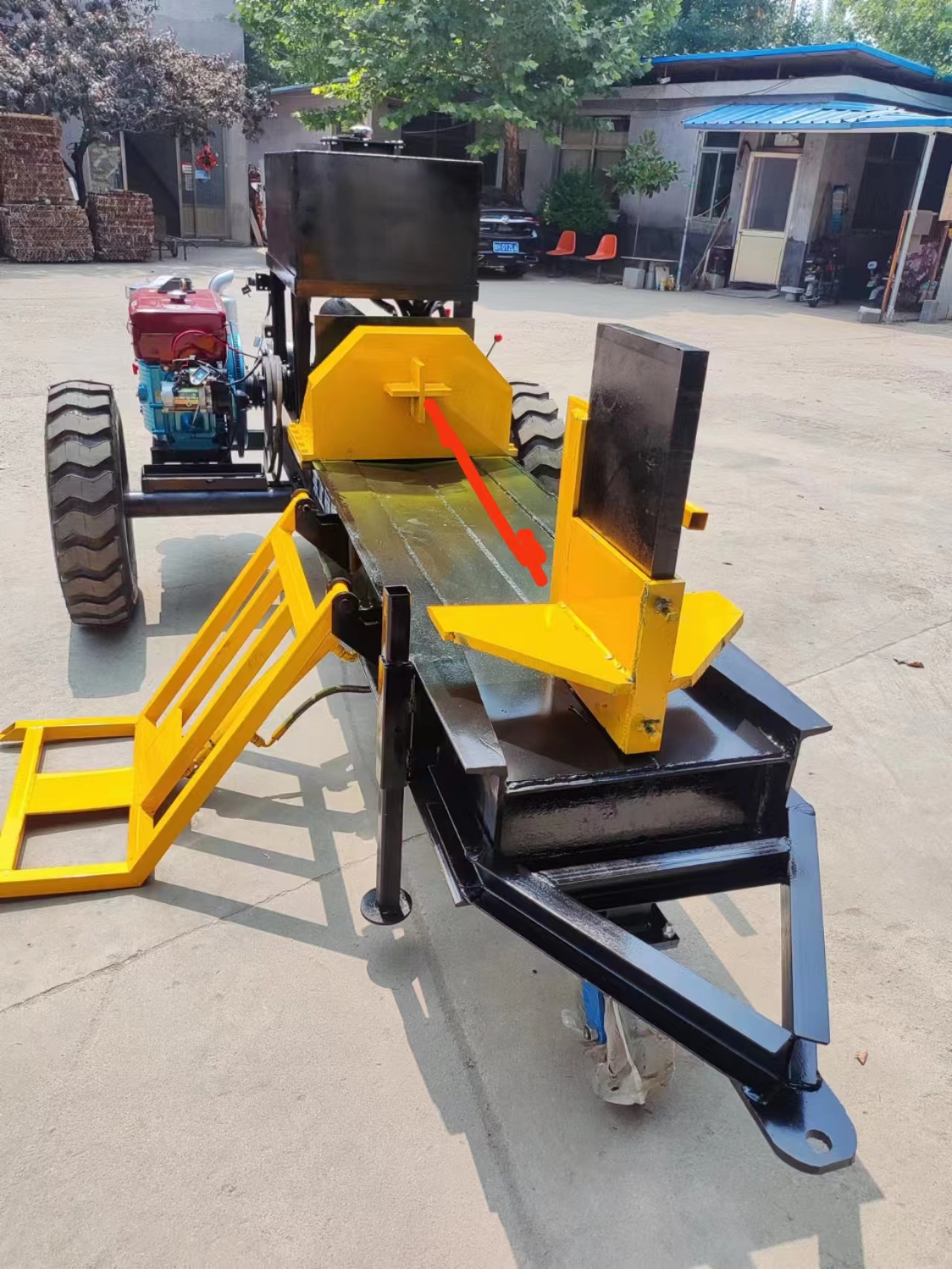
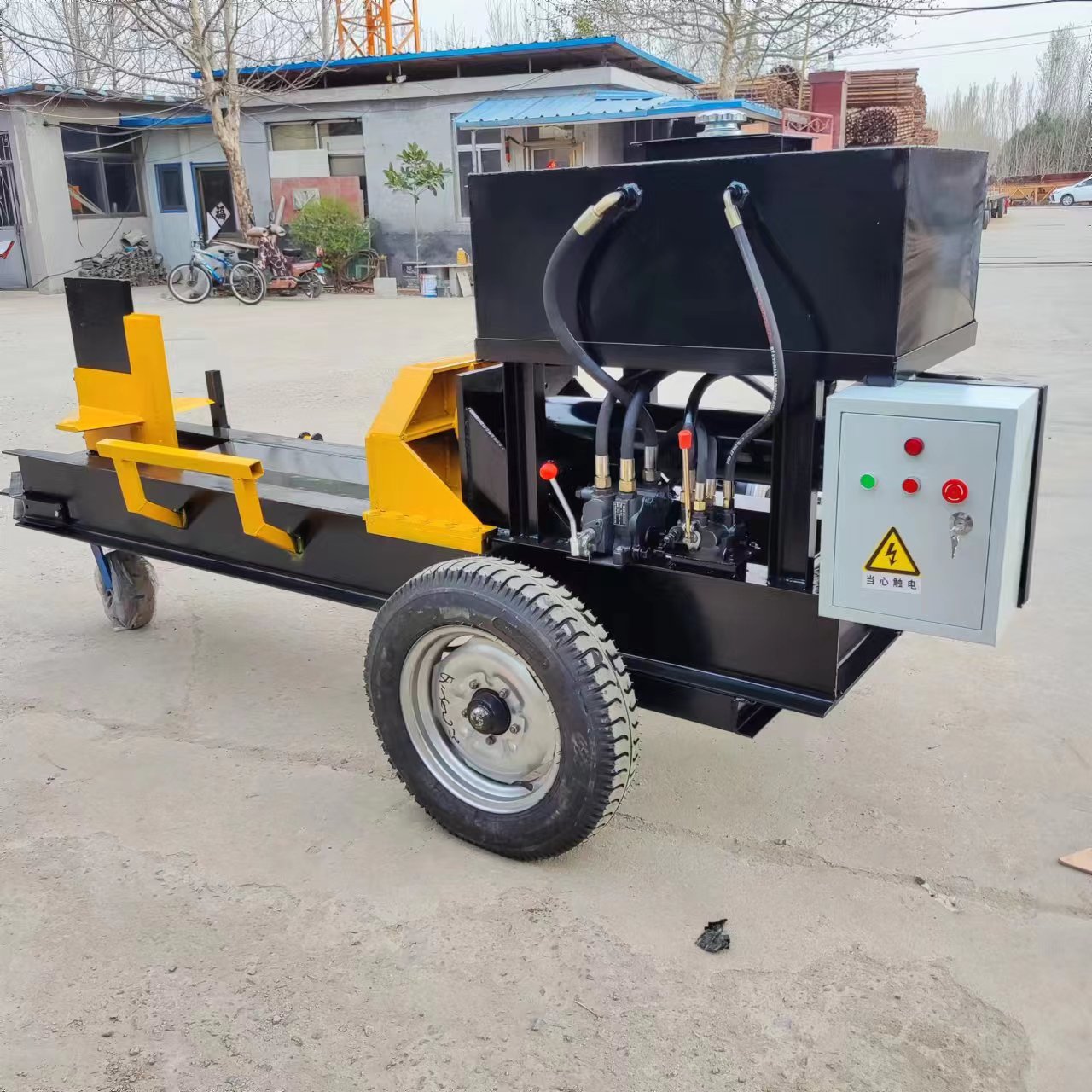
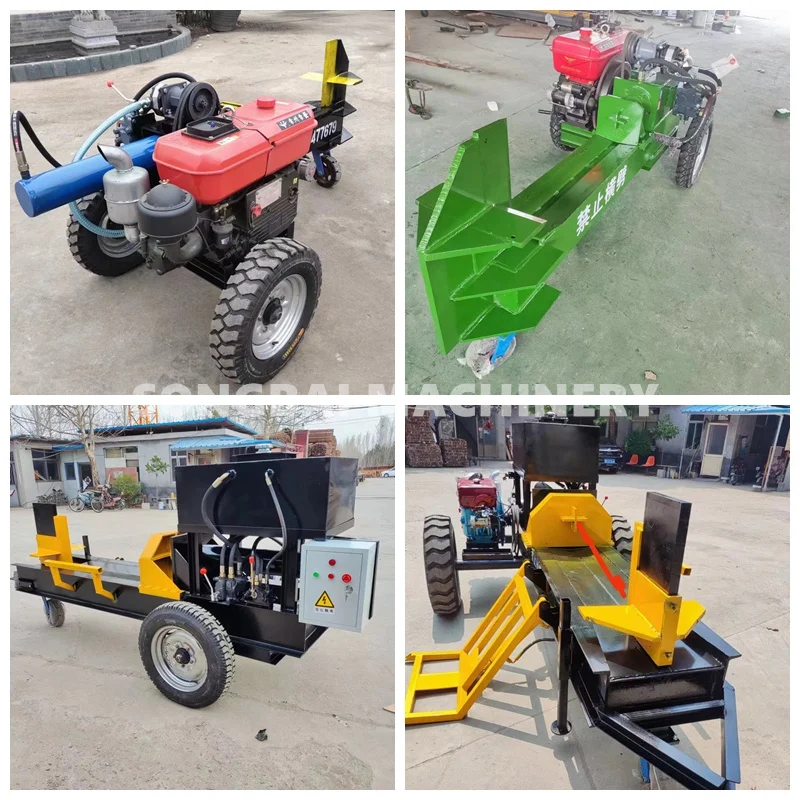
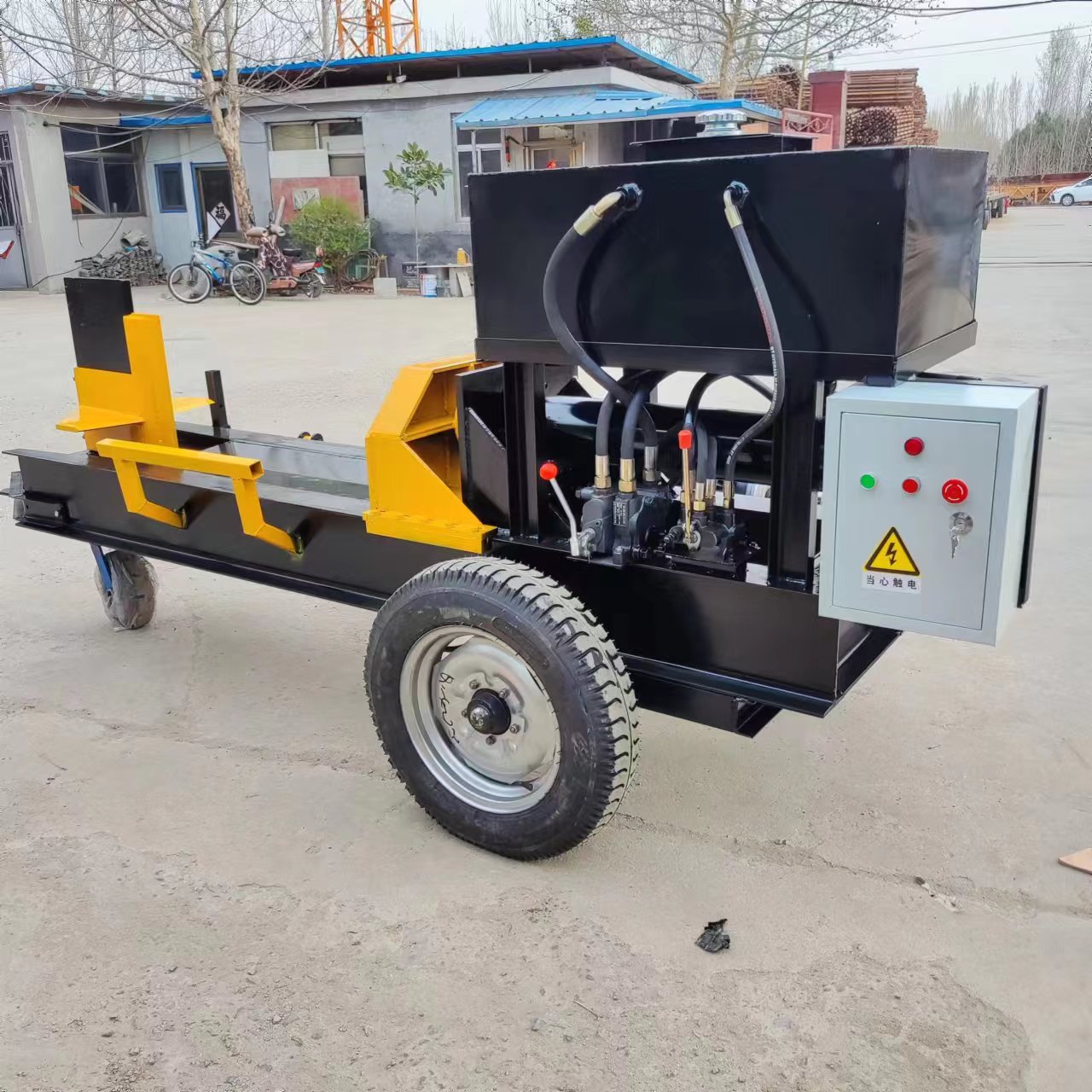
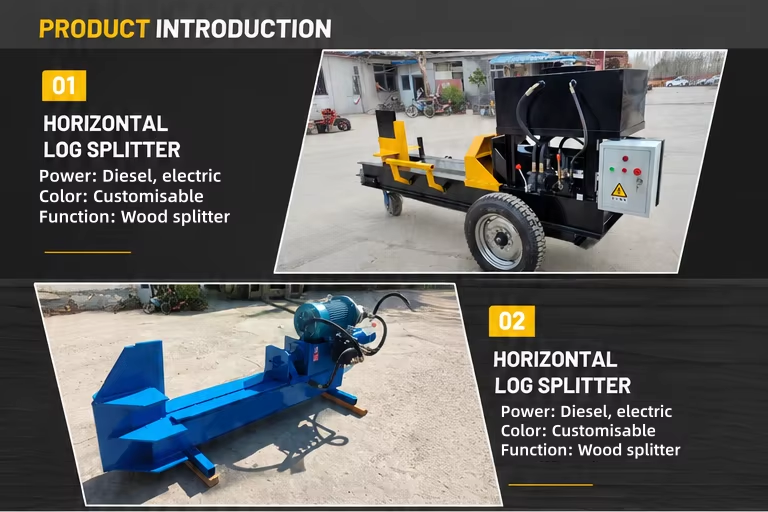
A diesel log splitter is a heavy-duty machine designed for high-volume firewood processing in locations where electricity is unavailable or impractical. Powered by a diesel engine and a hydraulic system, it delivers exceptional splitting force to handle large-diameter logs and the toughest hardwoods. Built for durability and continuous operation, it is the go-to choice for commercial firewood producers, farmers, and forestry workers who require reliable performance in remote or outdoor environments.
Diesel vs. Electric – What’s the Difference?
| Feature | Diesel Log Splitter | Electric Log Splitter |
|---|---|---|
| Power Source | Diesel engine (fuel-powered) | Electric motor (plug-in) |
| Mobility | High – works anywhere, no cord required | Limited – needs nearby power outlet |
| Suitable Environment | Outdoor, remote areas, job sites | Indoor, garage, backyard |
| Splitting Power | Higher tonnage (15-35+ tons) | Lower to medium (4-15 tons) |
| Continuous Operation | Can run all day with fuel refills | Limited by motor duty cycle |
| Noise Level | Higher – engine noise | Low – quiet operation |
| Emissions | Exhaust emissions | Zero – fume-free |
| Maintenance | Higher – engine oil, fuel filters, air filters | Low – minimal upkeep |
| Best For | Commercial use, off-grid farms, logging | Homeowners, small farms, indoor use |
Key Features
-
Diesel engine powered – delivers reliable, high-torque performance without the need for an electrical outlet; perfect for remote locations and job sites.
-
Hydraulic splitting system – generates massive splitting force (15–35+ tons) to split large-diameter logs and tough hardwoods like oak, hickory, and elm with ease.
-
Heavy-duty steel construction – built with robust materials to withstand rigorous daily use and harsh outdoor conditions.
-
High mobility – equipped with heavy-duty wheels and a tow hitch for easy transport behind a vehicle or ATV.
-
Horizontal & vertical operation (select models) – dual-mode design allows splitting in either position; vertical mode is ideal for oversized or extremely heavy logs that cannot be lifted.
-
Auto-return valve – automatically returns the cylinder after each split, increasing efficiency and reducing operator fatigue.
-
Adjustable log cradle – accommodates different log lengths for flexible firewood processing.
-
Fuel-efficient engine – designed to maximize runtime while minimizing fuel consumption.
What Materials Can Be Processed?
| Category | Examples |
|---|---|
| Hardwoods | Oak, Maple, Hickory, Ash, Beech, Birch, Elm |
| Softwoods | Pine, Spruce, Fir, Cedar, Douglas Fir |
| Fruitwoods | Apple, Cherry, Walnut, Pecan |
| Others | Eucalyptus, Gum tree, Acacia, Mesquite |
Common Applications
-
Commercial firewood production – high-volume splitting for retail or wholesale distribution.
-
Farm & ranch – process firewood for winter heating or prepare fence posts and kindling.
-
Forestry & logging operations – split logs on-site where electricity is not available.
-
Land clearing & tree service – turn cleared trees into usable firewood.
-
Off-grid cabins & remote properties – produce firewood independently without relying on grid power.
-
Rental equipment – rent to homeowners and contractors who need temporary heavy-duty splitting capability.
Why Choose a Diesel Log Splitter?
-
No electricity required – works anywhere, anytime, regardless of power availability.
-
High splitting power – handles the largest logs and toughest hardwoods that electric models cannot manage.
-
Continuous operation – runs all day with simple fuel refills; no motor overheating or duty cycle limitations.
-
Maximum mobility – take the splitter directly to the woodpile, eliminating heavy log lifting and carrying.
-
Built for heavy use – rugged construction ensures long-term reliability in demanding work environments.
-
Excellent resale value – diesel-powered equipment retains value well due to its durability and commercial appeal.
How to Choose the Right Diesel Log Splitter
-
Splitting force (tonnage) – 15-20 tons for medium-duty use; 22-30 tons for heavy-duty use; 30+ tons for commercial and oversized logs.
-
Engine power (HP) – higher horsepower provides faster cycle times and better performance on dense hardwoods.
-
Cycle time – look for 10-15 seconds for efficient commercial operation.
-
Log capacity – check maximum log length (typically 18-26 inches) and diameter (up to 24+ inches for vertical mode).
-
Orientation – horizontal only for smaller logs; horizontal & vertical dual-mode for maximum versatility with large logs.
-
Portability – choose models with pneumatic tires, highway-capable tow hitches, and easy tongue jack for transport.
-
Fuel tank capacity – larger tanks mean longer runtime between refills, ideal for all-day use.
-
Safety features – ensure two-hand operation, auto-return valve, and log catcher are included for safe and efficient work.
-
Starting system – electric start is more convenient; recoil start is reliable as a backup.
-
Brand & parts availability – choose reputable brands with easy access to spare parts and service support.
Maintenance Tips
-
Change engine oil regularly – follow manufacturer intervals (typically every 50-100 hours) to ensure engine longevity.
-
Replace fuel and air filters – clean fuel and air supply prevent engine performance issues and reduce wear.
-
Check hydraulic fluid – inspect fluid level and quality; replace per schedule to maintain optimal splitting performance.
-
Inspect hoses and seals – look for cracks, wear, or leaks; replace damaged components immediately to avoid downtime.
-
Clean cooling fins – keep engine cooling fins and radiator clear of debris to prevent overheating.
-
Grease moving parts – lubricate pivot points, wheel bearings, and beam slide areas as recommended.
-
Drain water from fuel tank – condensation can accumulate; drain periodically to prevent fuel contamination.
-
Store properly – keep in a dry, covered area; add fuel stabilizer for long-term storage.
-
Check tire pressure – maintain proper inflation for safe towing and easy mobility.
-
Run engine periodically – even during off-seasons, run the engine monthly to keep components lubricated and prevent fuel system issues.
Safety Guidelines
-
Wear protective gear – safety glasses, heavy-duty gloves, hearing protection, and steel-toe boots are essential.
-
Never operate alone – ensure someone is nearby in case of emergency or injury.
-
Keep hands and feet clear – never place any body part near the splitting wedge during operation.
-
Operate on level ground – stable footing prevents tipping and ensures safe operation.
-
Do not overload – exceeding the machine’s capacity can damage the hydraulic system and create hazards.
-
Clear the area – keep bystanders, children, and pets at a safe distance during operation.
-
Refuel safely – turn off the engine and allow it to cool before refueling; do not smoke near fuel.
-
Use proper lifting techniques – use the vertical mode for heavy logs to avoid back injuries.
-
Read the manual – familiarize yourself with all controls and safety features before first use.
Inquiry
Please feel free to submit your inquiry information to us. We will contact with you as soon as possible.
Related products