Your position:

PRODUCTS LIST
Last News

Inquiry
Introduction
Product Description
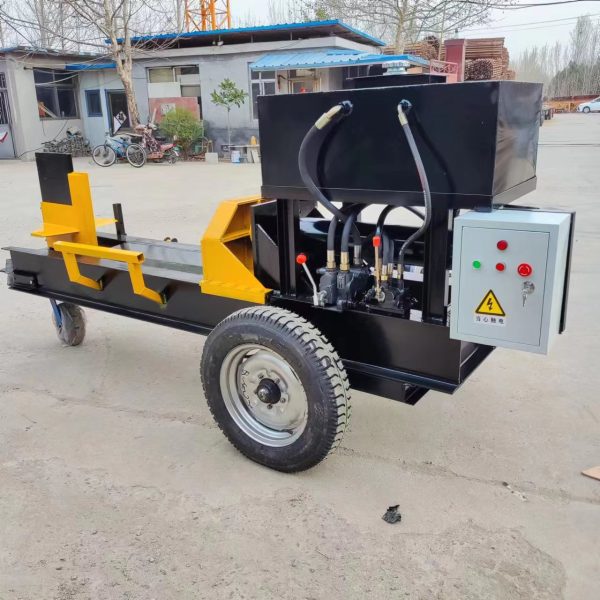
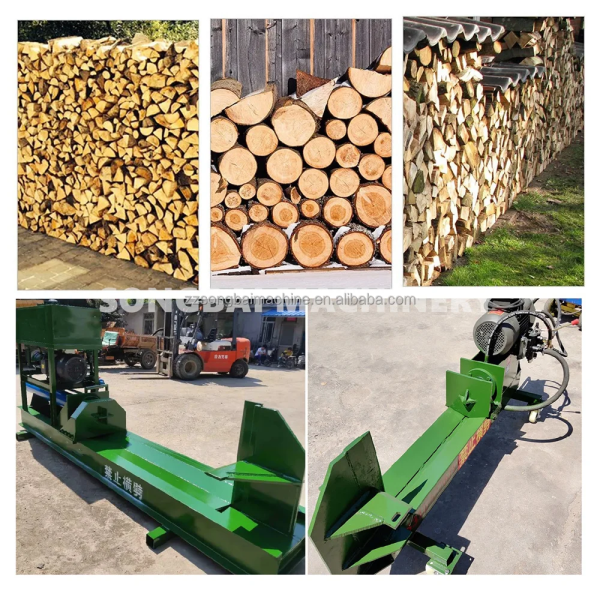
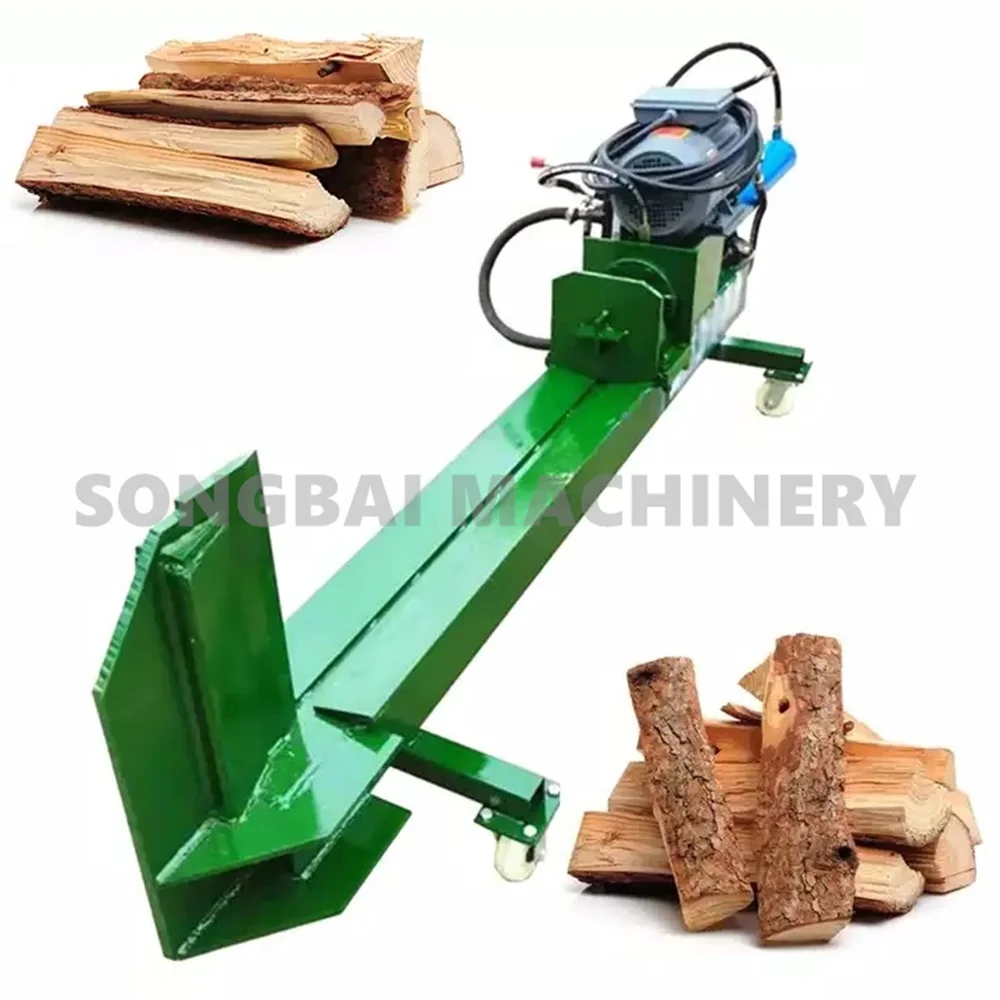
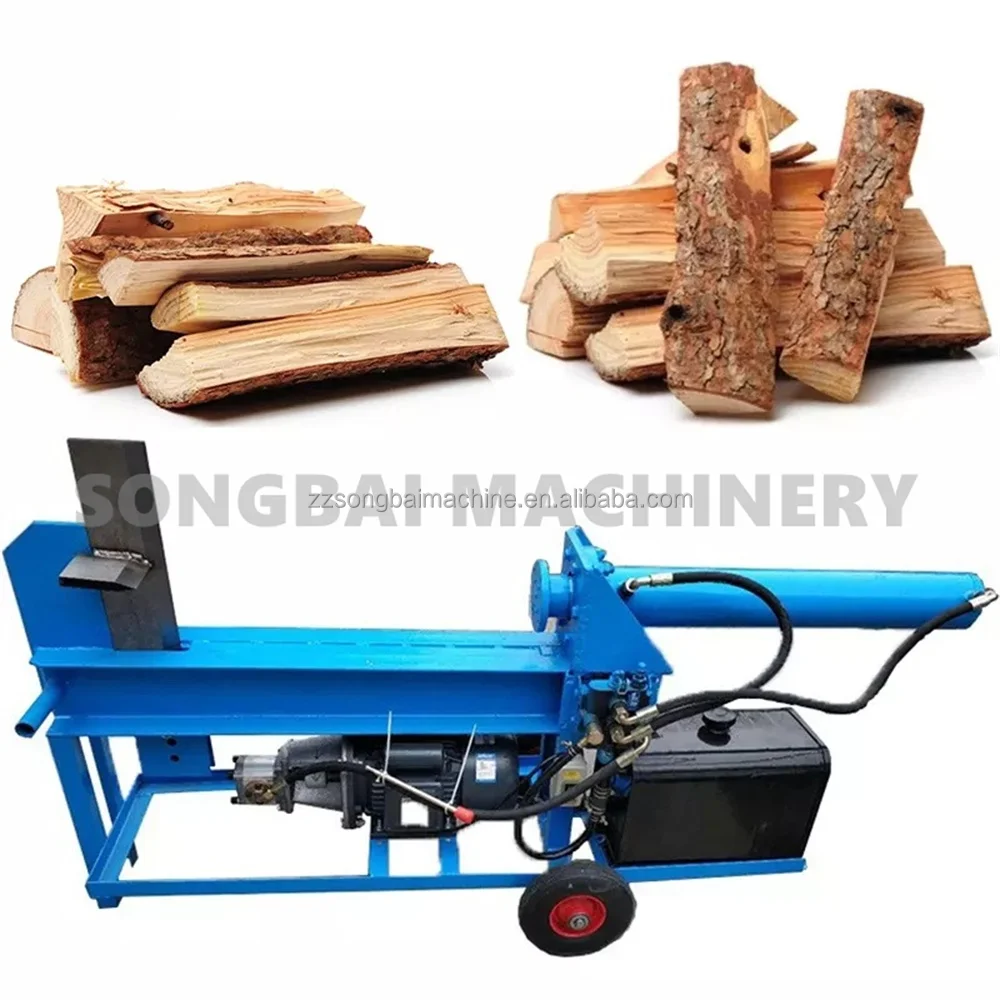
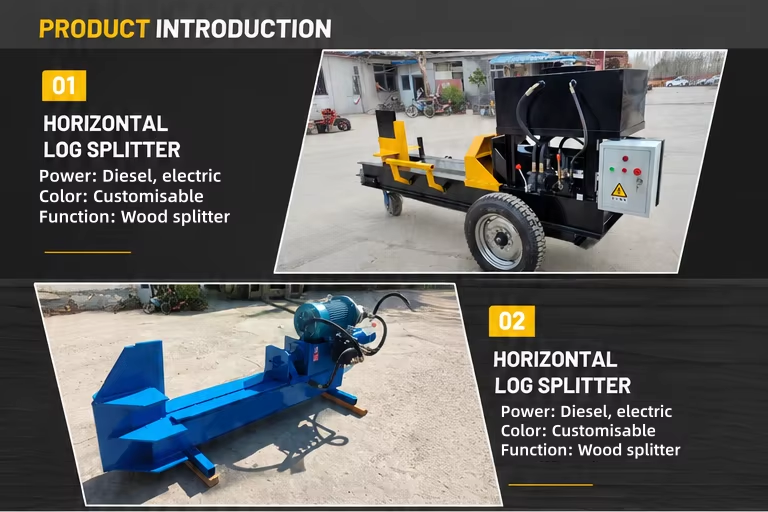
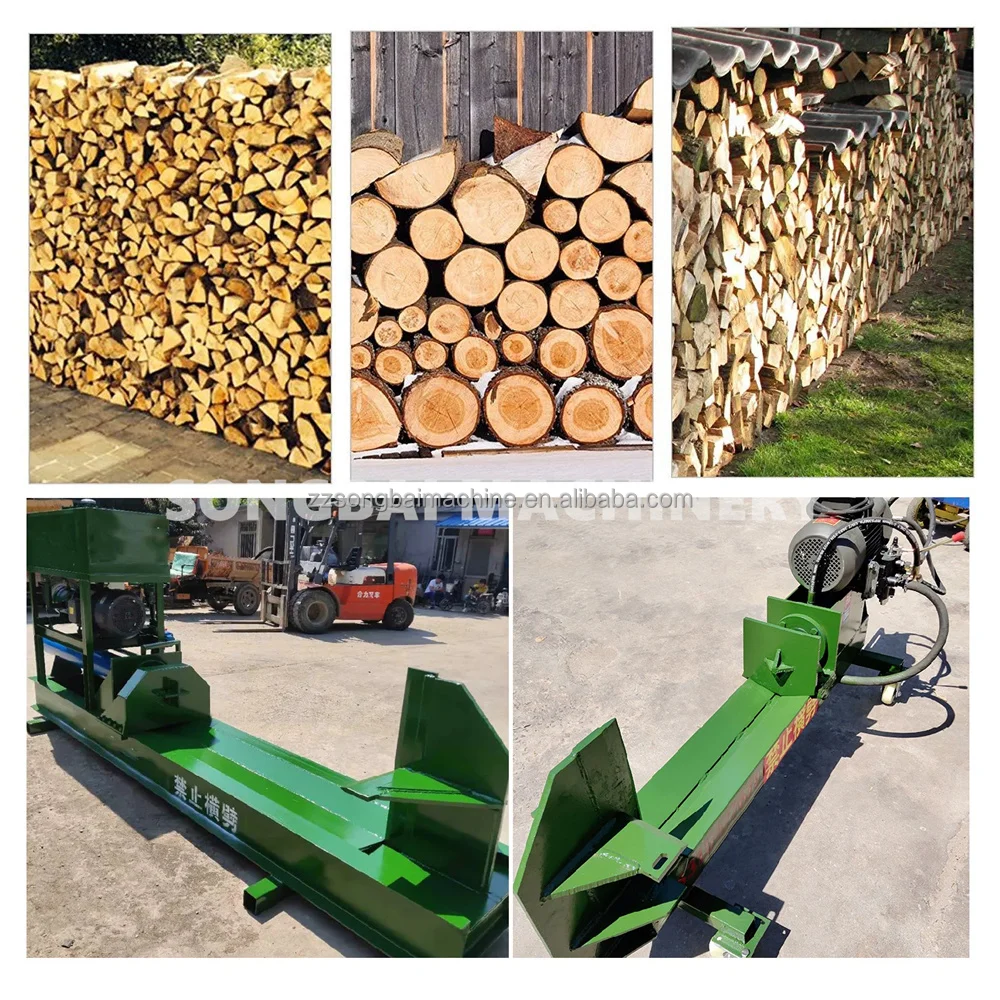
An electric log splitter is a powerful, user-friendly machine designed to split firewood quickly and efficiently with minimal physical effort. Powered by an electric motor and hydraulic system, it delivers consistent splitting force to handle logs of various diameters and wood types. Whether you need firewood for your home fireplace, campsite, or small farm operation, an electric log splitter offers a clean, quiet, and fume-free alternative to gas-powered models – making it suitable for both indoor and outdoor use.
Electric vs. Diesel – Which One Is Right for You?
| Feature | Electric Log Splitter | Diesel Log Splitter |
|---|---|---|
| Power Source | Electric motor (plug-in) | Diesel engine (fuel-powered) |
| Noise Level | Low – quiet operation | Higher – engine noise |
| Emissions | Zero emissions – fume-free | Exhaust emissions present |
| Suitable Environment | Indoor, garage, backyard | Outdoor, remote areas, job sites |
| Maintenance | Low – motor requires minimal upkeep | Higher – engine oil, filter changes |
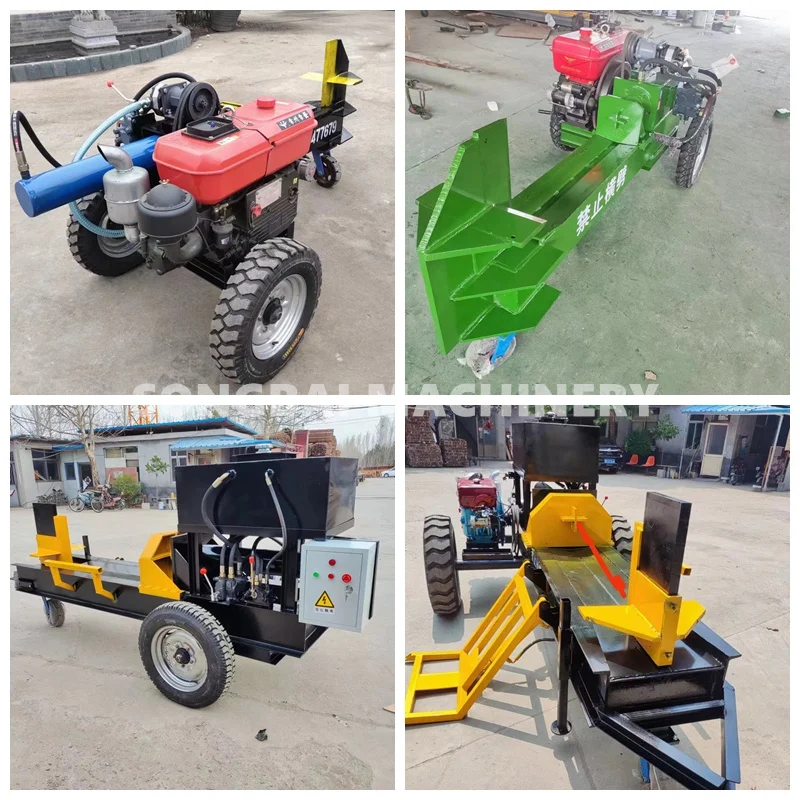
| Portability | Light to medium weight; often wheeled | Heavy-duty; trailer or towable models |
| Best For | Homeowners, small farms, indoor use | Commercial logging, off-grid farms |
| Operating Cost | Lower (electricity) | Higher (diesel fuel) |
Key Features
-
Hydraulic splitting system – delivers powerful, consistent force to split tough hardwoods like oak, maple, and hickory with ease.
-
Electric motor drive – quiet, clean, and emission-free operation; perfect for enclosed spaces or residential areas.
-
Two-hand safety control – requires both hands to operate, preventing accidental starts and ensuring user protection.
-
Rugged steel construction – heavy-duty frame built to withstand repeated use and harsh working conditions.
-
Portable wheel kit – built-in wheels and handle make it easy to move around your yard or job site.
-
Horizontal & vertical operation (select models) – split logs in either position for maximum versatility; vertical mode is ideal for oversized or heavy logs.
-
Adjustable splitting wedge – allows you to control log size for different firewood needs.
-
Overload protection system – prevents motor damage from excessive pressure, extending machine lifespan.
What Types of Wood Can Be Processed?
| Category | Examples |
|---|---|
| Hardwoods | Oak, Maple, Hickory, Ash, Beech, Birch |
| Softwoods | Pine, Spruce, Fir, Cedar, Douglas Fir |
| Fruitwoods | Apple, Cherry, Walnut, Pecan |
| Others | Eucalyptus, Gum tree, Acacia |
Common Applications
-
Home use – split firewood for your indoor fireplace, wood stove, or outdoor fire pit.
-
Campground & cabin – prepare campfire wood quickly without exhausting manual labor.
-
Small farm & ranch – process firewood for winter heating or sell to local customers.
-
Landscaping & tree service – turn tree removal waste into sellable firewood.
-
Commercial firewood production – high-volume splitting for retail or wholesale distribution.
Why Choose an Electric Log Splitter?
-
Clean & fume-free – no gasoline, no exhaust fumes, no carbon monoxide risk. Safe for garage or enclosed workshop use.
-
Quiet operation – low noise level means you won’t disturb neighbors or family members.
-
Low maintenance – electric motors require minimal upkeep compared to gas or diesel engines.
-
Instant start – simply plug in and press the button; no pull-starting, no fuel mixing, no winter starting issues.
-
Cost-effective – lower operating costs per cord of wood compared to fuel-powered splitters.
-
Eco-friendly – zero emissions and energy-efficient operation reduce your carbon footprint.
How to Choose the Right Electric Log Splitter
-
Splitting force (tonnage) – how much power do you need?
-
4–7 tons – light-duty: small logs, softwoods, occasional use
-
8–15 tons – medium-duty: most hardwoods, regular home use
-
16–30+ tons – heavy-duty: large diameter logs, tough hardwoods, commercial use
-
-
Motor power – measured in horsepower (HP) or kilowatts (kW). Higher power means faster cycling and better performance on dense wood.
-
Cycle time – how fast does the wedge return? Faster cycle times mean more splits per hour. Look for 10–20 seconds for home use; under 10 seconds for commercial.
-
Log capacity – what is the maximum log length and diameter your splitter can handle? Standard home models handle logs up to 18–24 inches long and 8–12 inches in diameter.
-
Orientation – do you prefer horizontal, vertical, or dual-mode?
-
Horizontal – easier for smaller logs, better for straight splitting
-
Vertical – ideal for large, heavy logs (no lifting required)
-
Horizontal & Vertical – maximum versatility for all log sizes
-
-
Portability – do you need to move the machine around? Look for models with wheels, tow hitches, or lightweight frames.
-
Safety features – ensure the unit includes two-hand operation, auto-return, and emergency stop for safe use.
-
Power source – check your workshop voltage (110V for US home use, 220V for industrial or European use). Ensure the machine matches your available outlet.
Maintenance Tips
-
Inspect hydraulic fluid – check fluid level and quality regularly; replace per manufacturer schedule to maintain optimal splitting performance.
-
Clean the beam and wedge – remove wood debris and sawdust after each use to prevent buildup that can affect operation.
-
Check for oil leaks – inspect hoses, fittings, and seals for cracks or leaks; replace worn components immediately.
-
Keep the motor clean – ensure cooling vents are unobstructed to prevent overheating.
-
Sharpen the wedge – a dull wedge requires more force; keep it sharp for efficient splitting.
-
Lubricate moving parts – apply light oil to pivot points, wheels, and the beam as recommended in the user manual.
-
Store properly – keep in a dry, covered area to protect electrical components from moisture and rust.
-
Test safety controls – periodically check that both-hand controls and emergency stop functions work correctly.
Safety Guidelines
-
Always wear protective gear – safety glasses, gloves, and steel-toe boots are highly recommended.
-
Never operate alone – have someone nearby in case of emergency.
-
Keep hands clear – never reach into the splitting area while the machine is running.
-
Operate on stable, level ground – ensure the splitter is on solid footing before use.
-
Do not overload – exceeding the machine’s rated capacity can cause damage and create safety hazards.
-
Disconnect power – always unplug the unit before performing maintenance or clearing jams.
-
Keep bystanders away – maintain a safe distance from children, pets, and spectators during operation.
Inquiry
Please feel free to submit your inquiry information to us. We will contact with you as soon as possible.
Related products