Your position:
PRODUCTS LIST
Last News
Inquiry
Introduction
Product Description
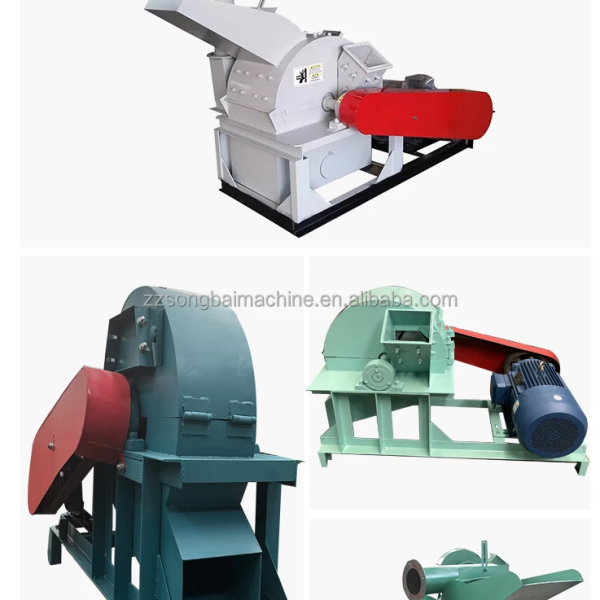
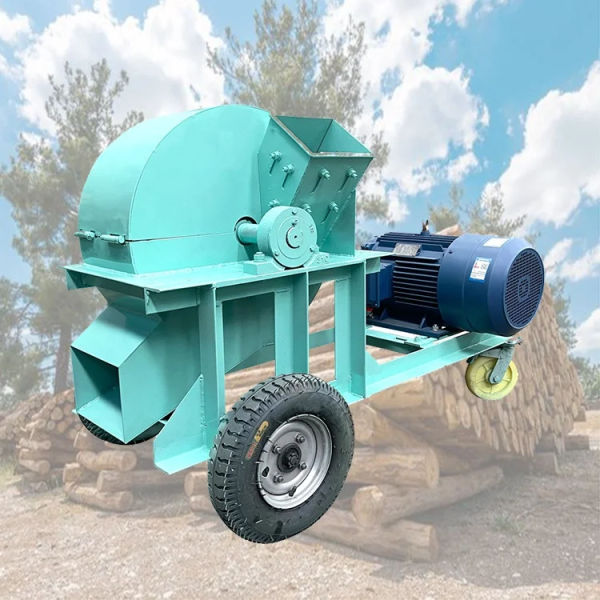
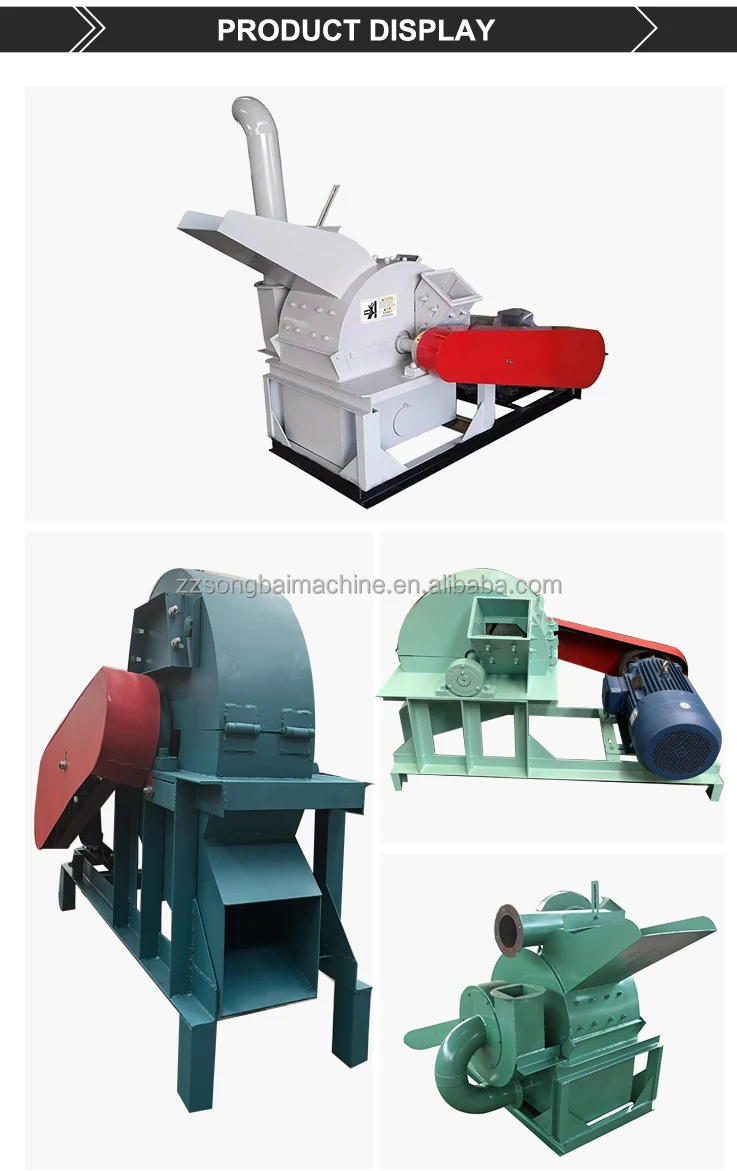
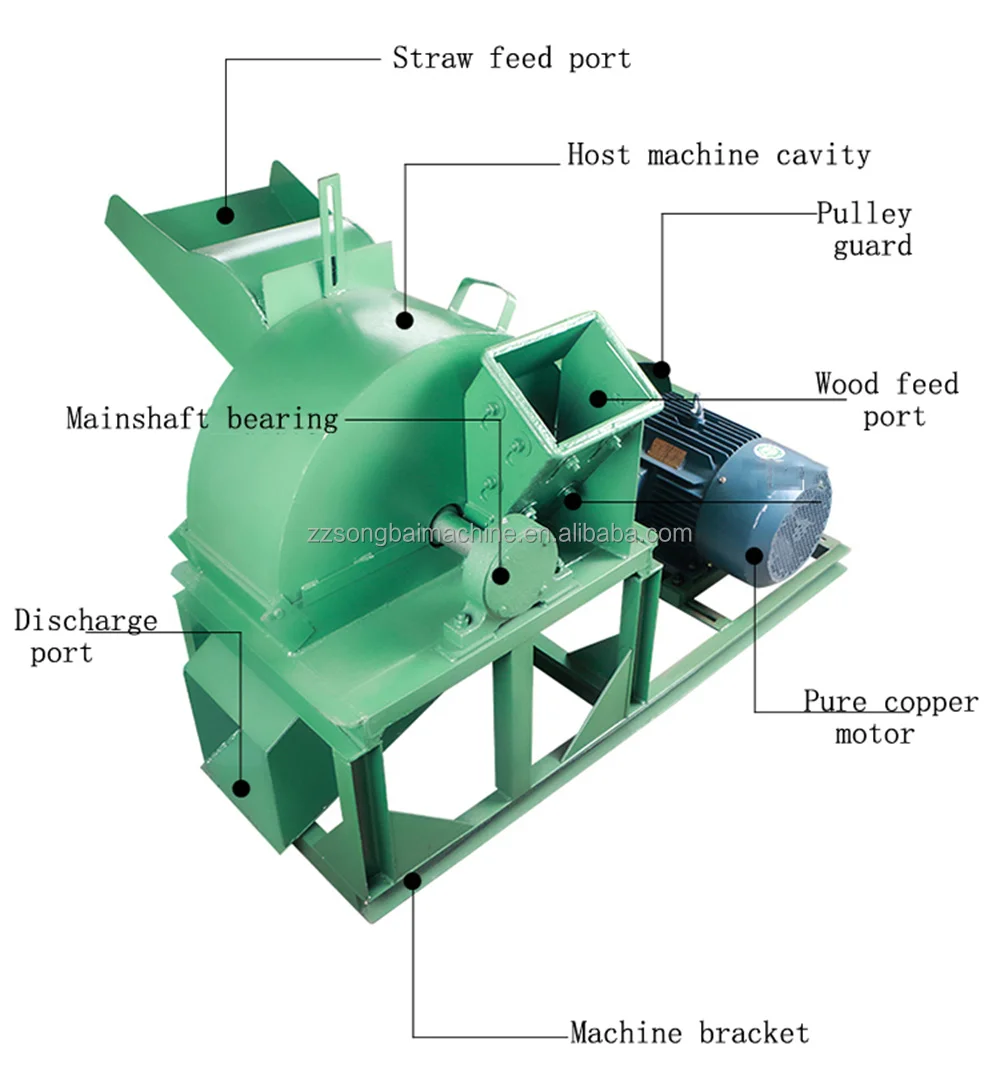
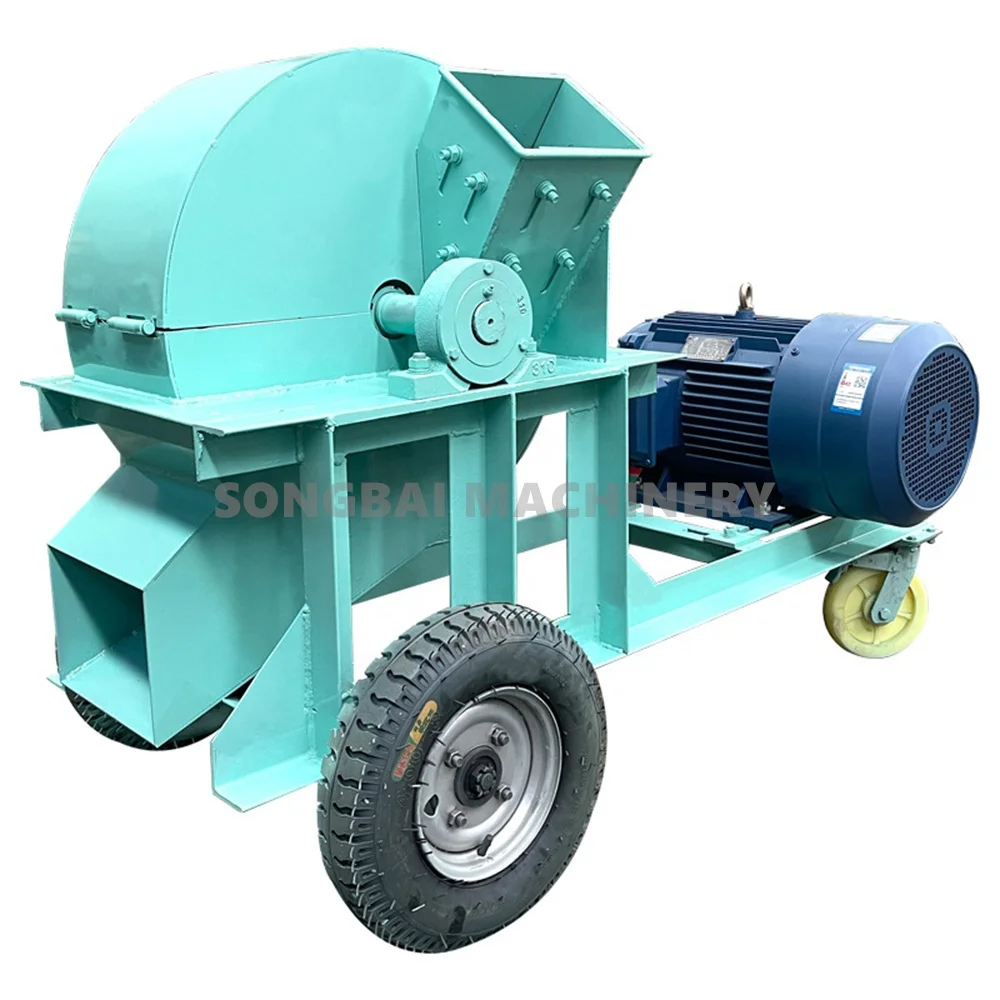
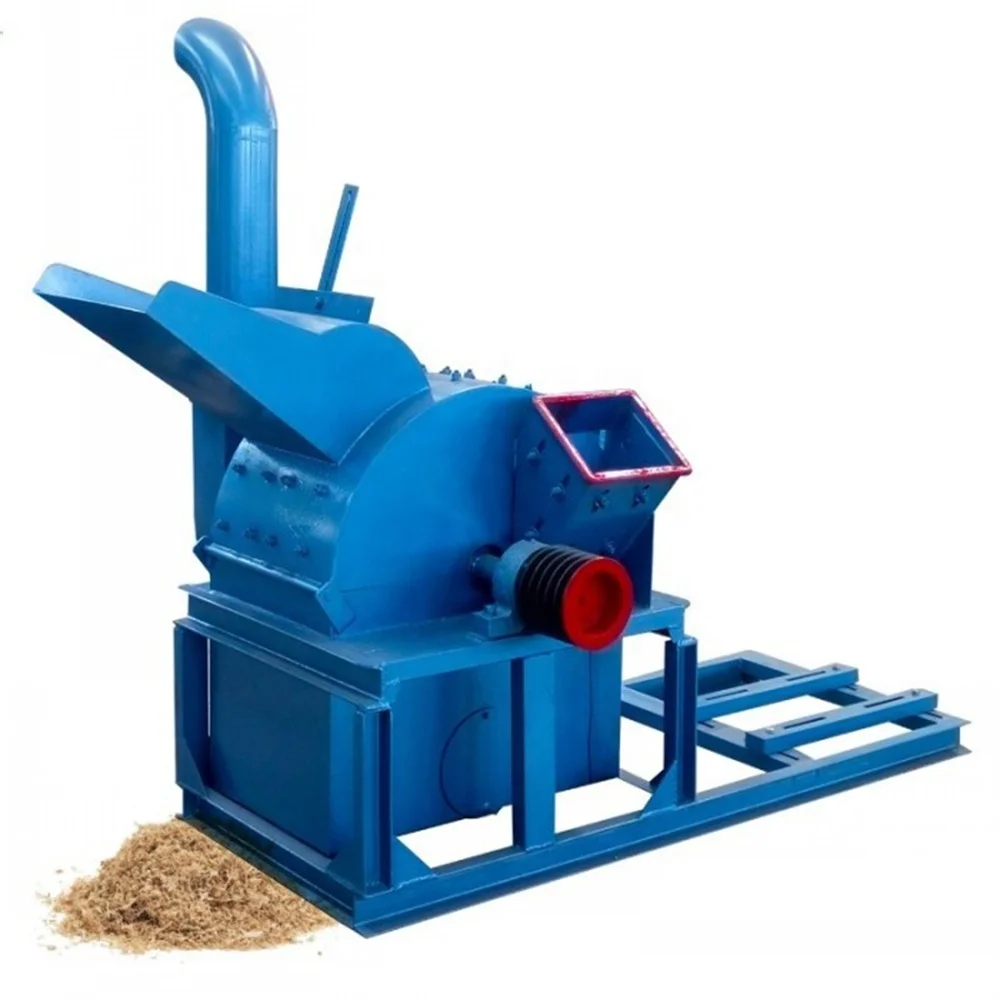
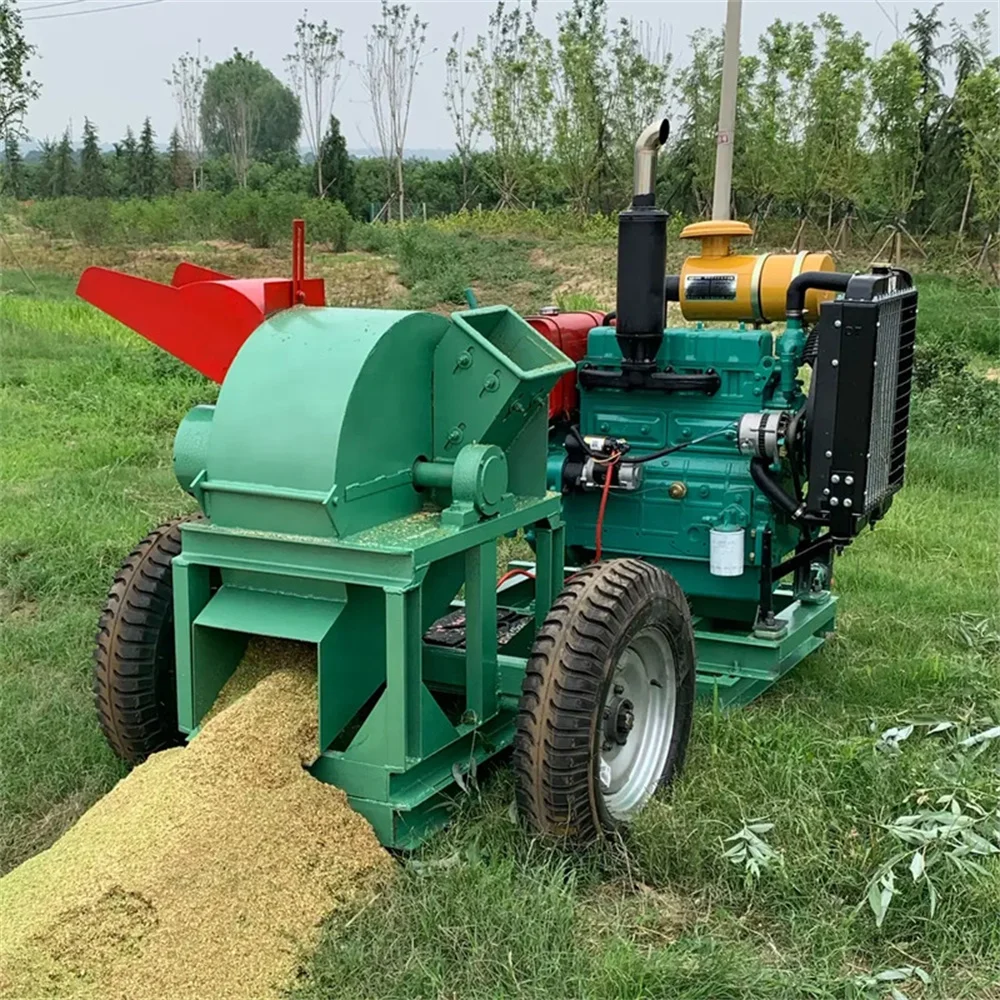
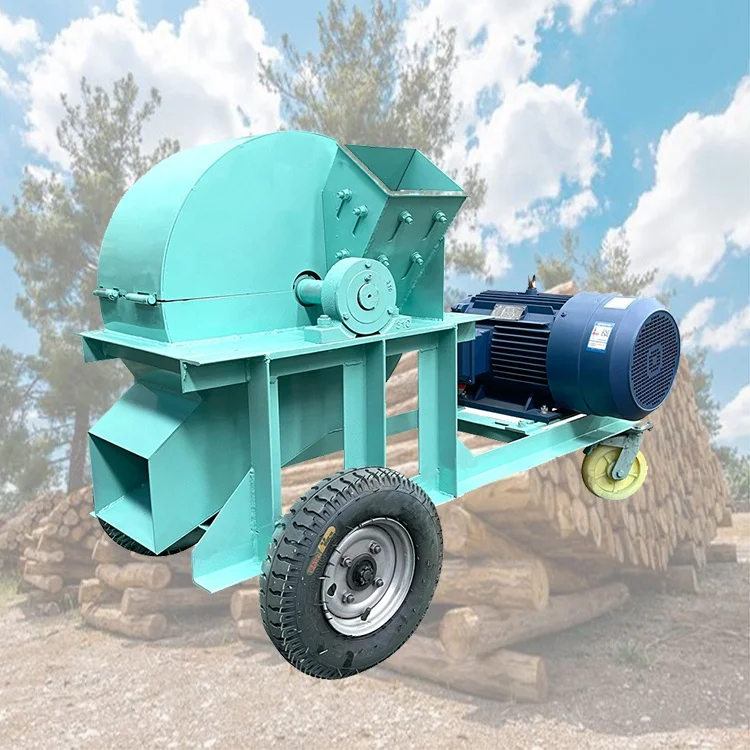
A branch chipper is a specialized machine designed specifically for processing tree branches, shrubs, and woody trimmings into uniform wood chips. Unlike larger industrial wood chippers, branch chippers are typically more compact and user-friendly, making them ideal for residential gardens, small farms, and landscaping projects. Powered by either an electric motor or a diesel engine, these machines offer an efficient way to manage branch waste, reduce disposal costs, and produce valuable wood chips for mulch, compost, or biomass fuel.
Key Features
-
Compact and lightweight design – easy to move and store; ideal for residential and small-scale use.
-
Powerful cutting mechanism – rotating drum or disc with sharp steel blades delivers clean, consistent chips.
-
Self-feeding system – pulls branches in automatically, reducing manual effort and increasing throughput.
-
Electric start (diesel models) – reliable push-button ignition for quick and easy starting.
-
Safety hopper bar – automatically stops the machine when the feed hopper is opened.
-
Adjustable discharge chute – directs wood chips exactly where you want them.
-
Heavy-duty wheels – built-in wheels for easy transport around the yard or job site.
-
Low maintenance – easily accessible blades and simple design keep maintenance hassle-free.
What Materials Can Be Processed?
| Category | Examples |
|---|---|
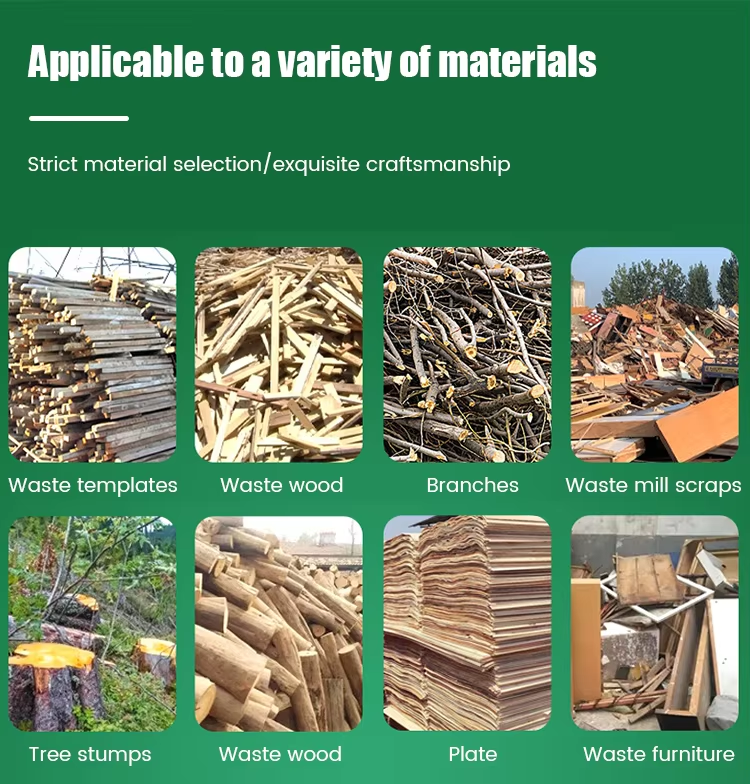
| Tree branches | Up to 3-8 inches in diameter (depends on model) |
| Garden trimmings | Shrubs, hedges, vines, rose canes |
| Yard waste | Twigs, small logs, plant stalks |
| Other materials | Bamboo, corn stalks, light agricultural residues |
Note: Always check maximum branch diameter capacity for your specific model.
Common Applications
-
Home gardens – clear yard waste and turn trimmings into useful garden mulch.
-
Small farms & orchards – process pruned branches from fruit trees and vineyard cuttings.
-
Landscaping projects – manage green waste efficiently on residential and commercial properties.
-
Property maintenance – keep driveways, pathways, and outdoor areas clean and tidy.
-
Composting operations – produce small wood particles that break down quickly into nutrient-rich compost.
-
Biomass fuel production – create wood chips for heating and energy generation.
Why Choose a Branch Chipper?
-
Efficient branch disposal – reduces bulky branches to a fraction of their original volume.
-
Saves time and effort – no more manual sawing, breaking, or hauling branches away.
-
Eco-friendly – recycles green waste into useful products instead of sending to landfill.
-
Creates valuable mulch – wood chips can be used to suppress weeds, retain moisture, and improve soil health.
-
Cost-effective – eliminates the expense of garden waste collection services.
-
Easy to operate – designed with homeowners and small-scale users in mind.
How to Choose the Right Branch Chipper
-
Power source – electric for residential and suburban use; diesel for farms, remote areas, and heavy-duty needs.
-
Branch diameter capacity – choose a model that can handle the largest branches you plan to chip.
-
Portability – wheeled models for easy movement; heavier models may require towing.
-
Feed type – gravity feed is simple and affordable; hydraulic feed handles more material with less effort.
-
Output size – some models allow adjustment of chip size for different applications.
-
Safety features – look for hopper safety bar, emergency stop, and blade guard.
-
Blade maintenance – choose models with easily removable and replaceable blades.
-
Noise level – electric models are generally quieter – important for residential neighborhoods.
-
Storage space – consider the machine’s size and whether you have adequate storage.
Maintenance Tips
-
Check blade sharpness regularly – dull blades produce stringy chips and strain the motor; sharpen or replace as needed.
-
Clean the chipper after each use – remove debris to prevent build-up that can cause jams.
-
Inspect belts and moving parts – check for wear and tension; replace when necessary.
-
Lubricate bearings and pivot points – follow the manual for recommended lubrication schedule.
-
Check fuel and oil (diesel models) – maintain proper fluid levels for reliable engine performance.
-
Inspect electrical cord (electric models) – check for damage before each use.
-
Clear discharge chute – ensure chips are flowing freely; clear any blockages promptly.
-
Store in a dry, covered area – protect from moisture and weather to prevent rust and damage.
-
Tighten hardware – vibration can loosen bolts; check and tighten regularly.
Safety Guidelines
-
Always wear protective gear – safety glasses, hearing protection, gloves, and sturdy footwear are required.
-
Keep hands and loose clothing away – never put hands into the feed hopper; use a push stick to feed short branches.
-
Check materials before feeding – remove stones, metal, and nails from branches to prevent blade damage and flying debris.
-
Do not exceed capacity – forcing oversized branches can damage the machine and create hazards.
-
Clear area of bystanders – keep children, pets, and spectators at a safe distance.
-
Turn off before clearing jams – always stop the machine and wait for the rotor to stop completely.
-
Operate on level ground – stable placement prevents tipping and ensures safe operation.
-
Read the user manual – familiarize yourself with all controls and safety features before first use.
Inquiry
Please feel free to submit your inquiry information to us. We will contact with you as soon as possible.
Related products