Your position:
PRODUCTS LIST
Last News
Inquiry
Introduction
Product Description
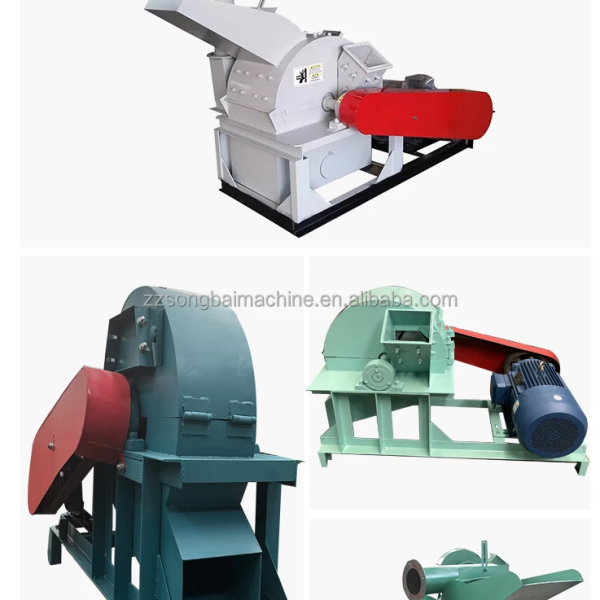
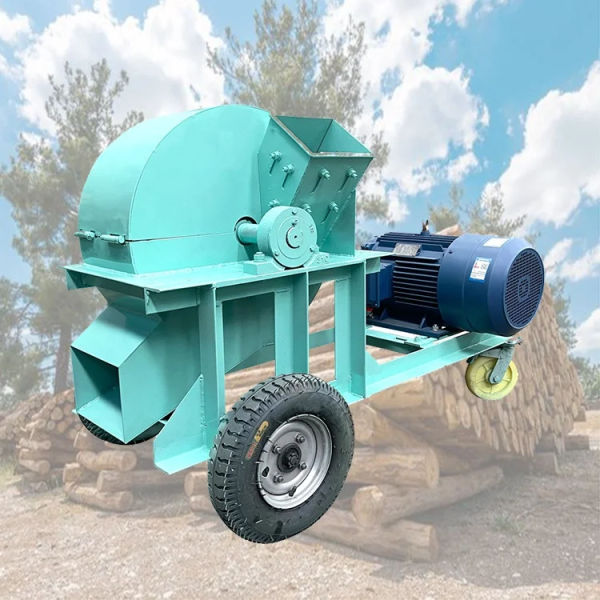
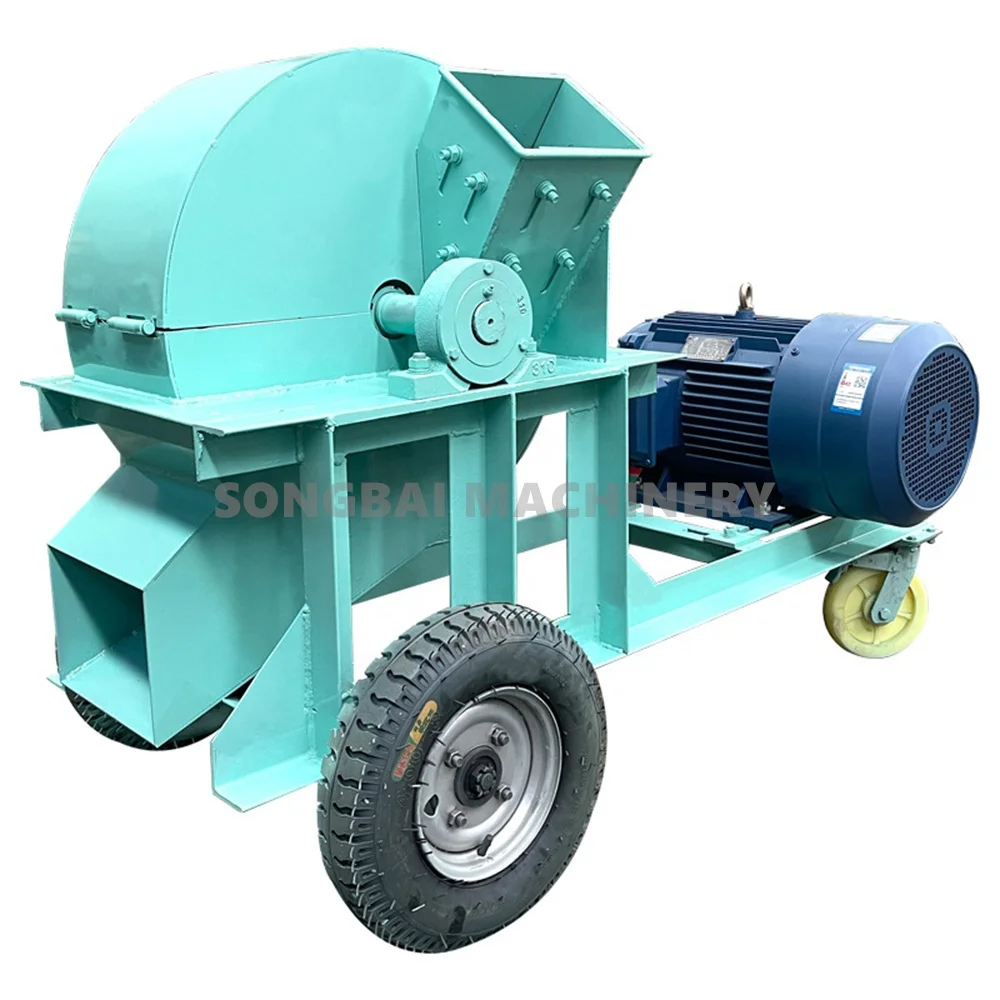
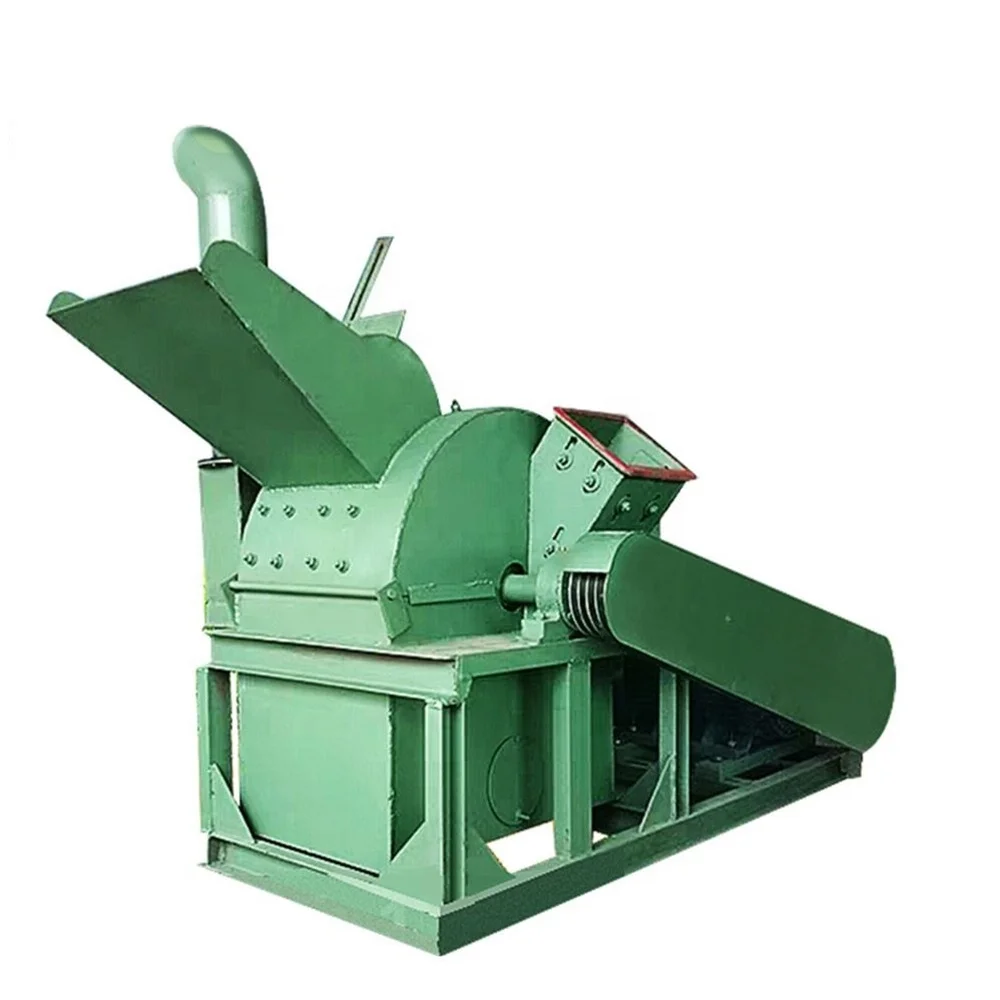
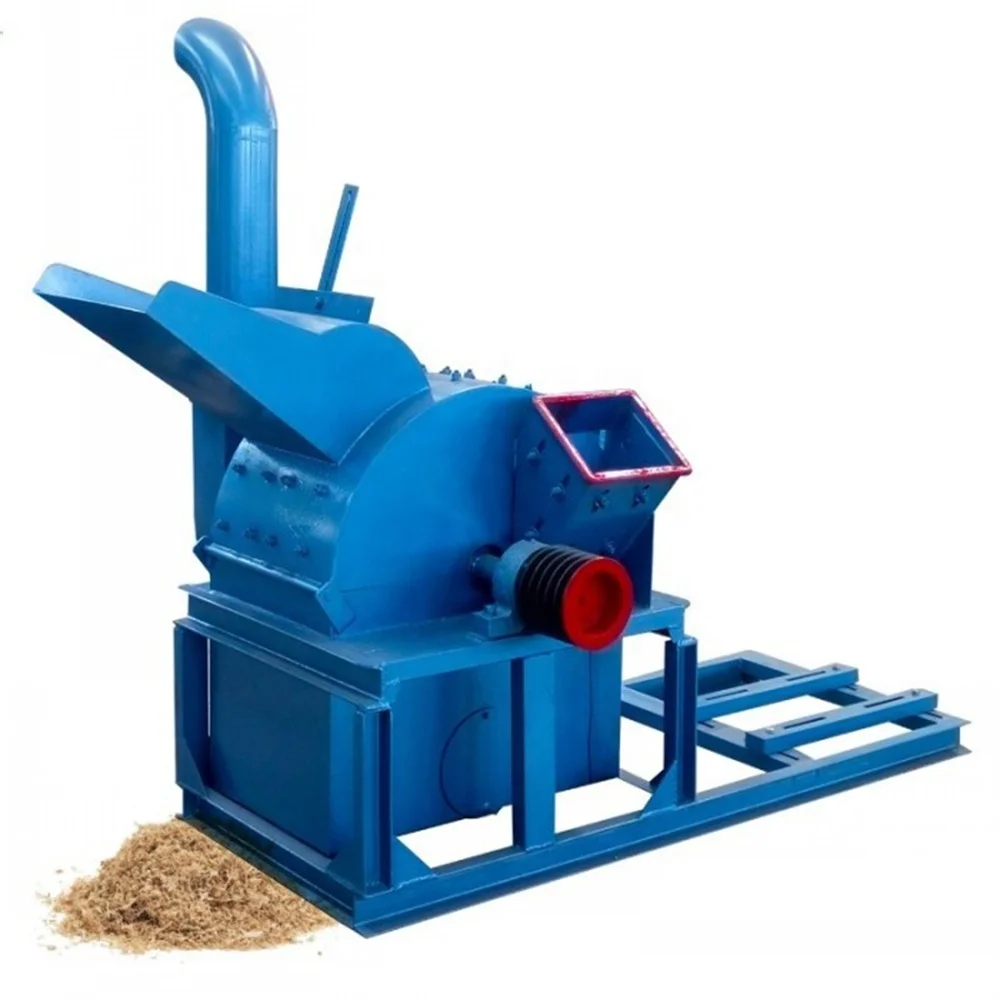
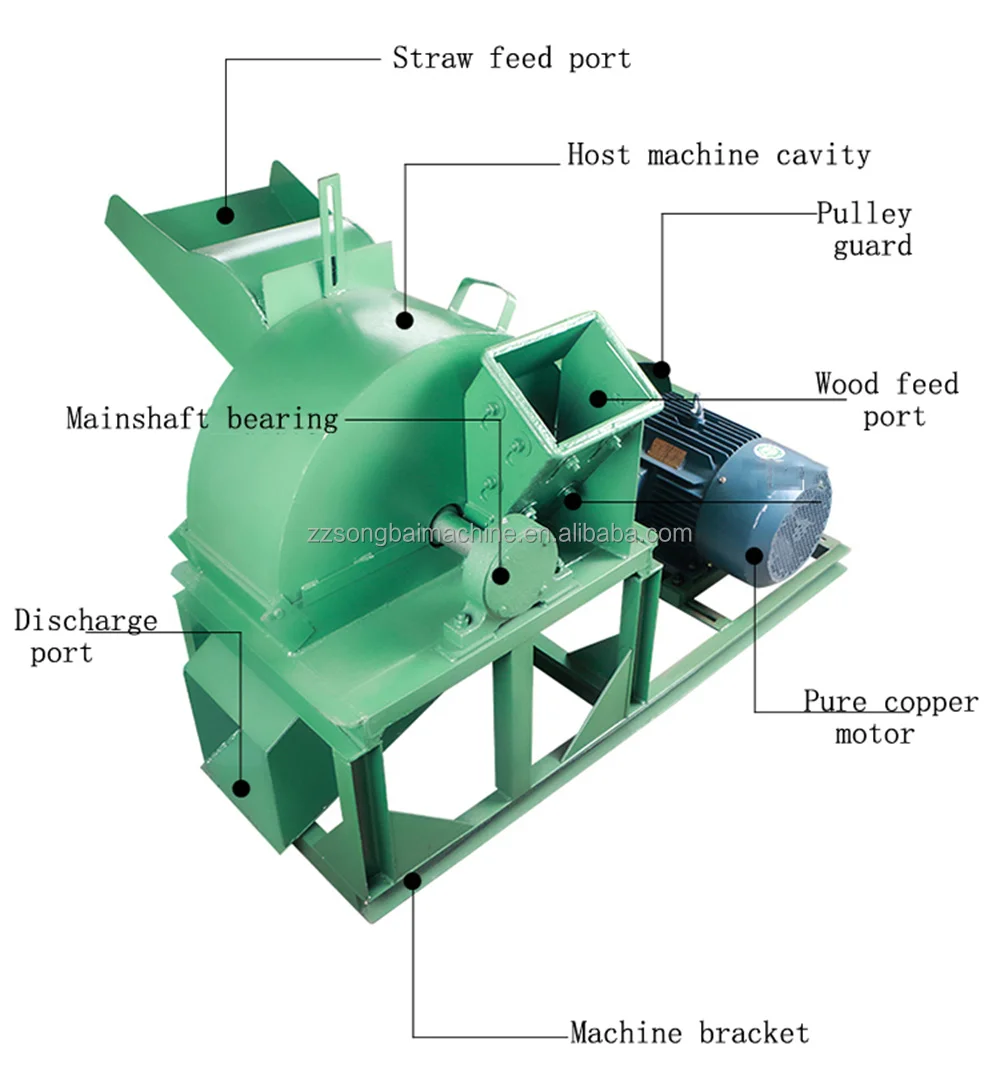
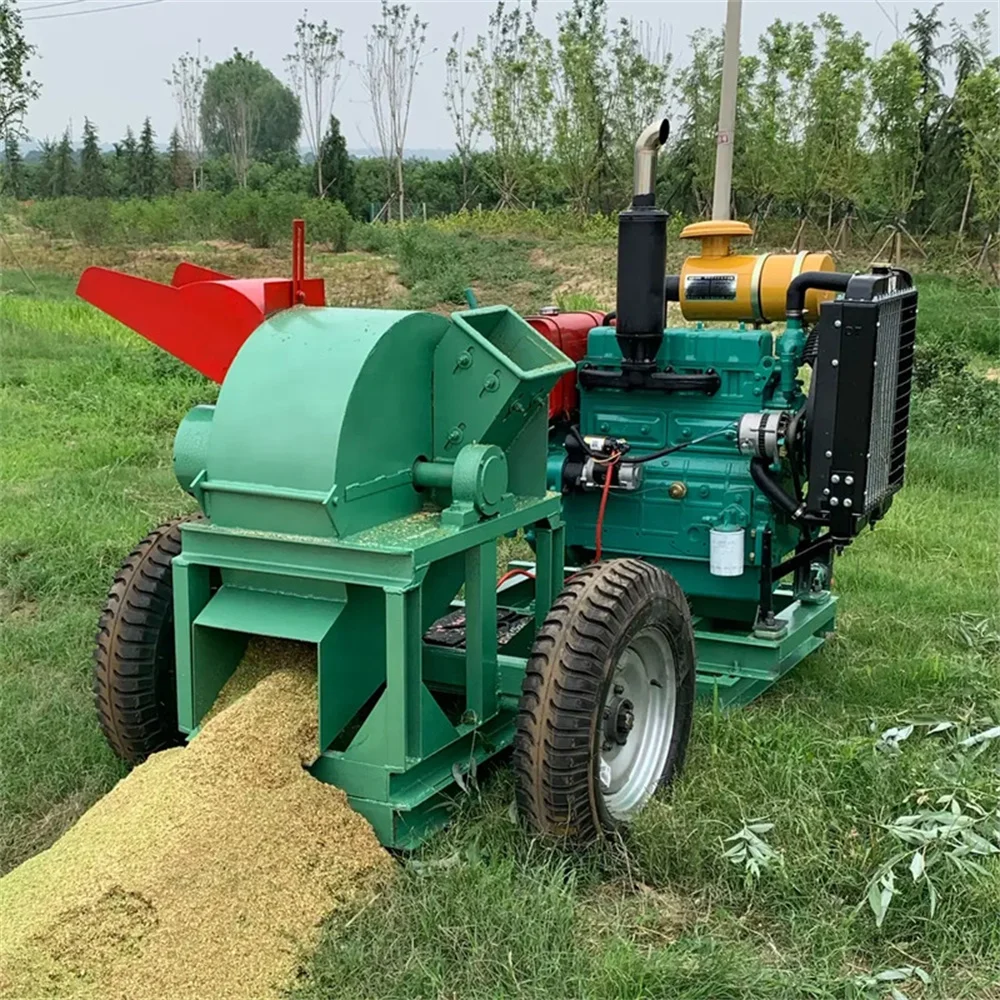
A wood chipper is a powerful machine designed to reduce branches, tree trimmings, logs, and other woody materials into uniform wood chips. Equipped with a high-speed rotating drum or disc with cutting blades, it efficiently chips wood into small, consistent pieces for easy disposal, recycling, or further processing. Available in both electric and diesel-powered models, wood chippers offer a fast and effective solution for managing yard waste, clearing land, and producing valuable wood chips for landscaping, biomass fuel, composting, and more.
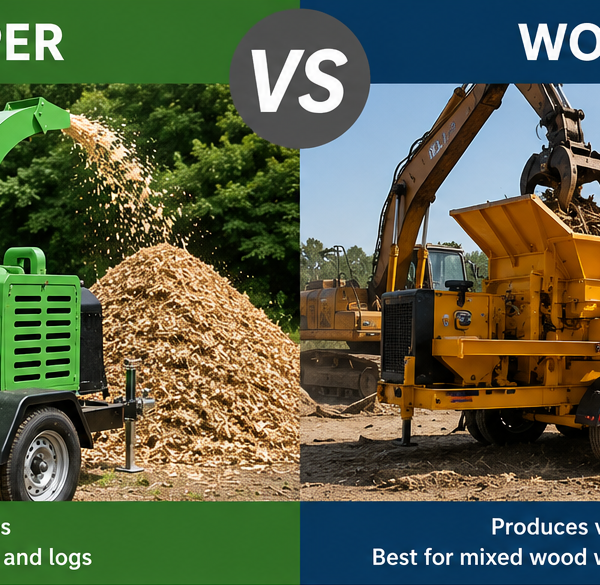
Electric vs. Diesel – What’s the Difference?
| Feature | Electric Wood Chipper | Diesel Wood Chipper |
|---|---|---|
| Power Source | Electric motor (plug-in) | Diesel engine (fuel-powered) |
| Mobility | Limited – requires power outlet | High – works anywhere, no cord needed |
| Suitable Environment | Residential yards, gardens, garages | Farms, forests, remote job sites |
| Chipping Capacity | Small to medium branches | Large branches and logs |
| Noise Level | Moderate – quieter operation | Higher – engine noise |
| Emissions | Zero – fume-free | Exhaust emissions |
| Maintenance | Low – minimal upkeep | Higher – engine oil, filters |
| Best For | Homeowners, gardeners, landscapers | Farmers, forestry workers, contractors |
Key Features
-
High-speed cutting system – rotating drum or disc with hardened steel blades delivers fast, efficient chipping.
-
Powerful engine/motor options – electric models for quiet residential use; diesel models for heavy-duty, off-grid operation.
-
Heavy-duty steel construction – robust frame and housing built to withstand tough materials and continuous use.
-
Self-feeding mechanism – pulls branches in automatically, reducing manual effort and increasing productivity.
-
Adjustable output size – produces chips from fine mulch to larger coarse chips for different applications.
-
Safety shut-off system – automatically stops the machine when the hopper is opened, preventing accidents.
-
Portable options – wheeled and towable models available for easy transport around the property or job site.
-
Durable cutting blades – easy to access and replace, minimizing downtime.
What Materials Can Be Processed?
| Category | Examples |
|---|---|
| Tree branches | Up to 3-8 inches in diameter (depends on model) |
| Garden trimmings | Shrubs, hedges, vines, rose canes |
| Wood logs | Small to medium-sized logs |
| Yard waste | Leaves, twigs, plant stalks |
| Other materials | Bamboo, corn stalks, agricultural residues |
Note: Maximum chipping capacity varies by model. Always check specifications before use.
Common Applications
-
Landscaping & gardening – turn yard waste into decorative mulch, reducing disposal costs.
-
Forestry & tree care – process tree trimmings and cleared branches into manageable wood chips.
-
Biomass energy production – produce wood chips for biomass boilers and power generation.
-
Composting & organic farming – chip garden waste into compostable material for nutrient-rich soil.
-
Erosion control – spread wood chips on trails and slopes to prevent soil erosion.
-
Paper & pulp industry – prepare wood chips as raw material for paper manufacturing.
Why Choose a Wood Chipper?
-
Efficient waste management – reduces bulky branches and yard waste by up to 90% in volume.
-
Cost savings – eliminates the need for expensive yard waste removal services.
-
Eco-friendly – recycles organic waste into useful products like mulch, compost, or biomass fuel.
-
Saves time and labor – chips branches quickly with minimal manual effort.
-
Versatile output – produces consistent wood chips suitable for multiple applications.
-
Improves property appearance – keeps gardens, farms, and job sites clean and professional.
How to Choose the Right Wood Chipper
-
Power source – electric for residential use near power outlets; diesel for remote locations and heavy-duty work.
-
Chipping capacity – check maximum branch diameter the machine can handle (3-5 inches for home use; 6-8+ inches for commercial).
-
Material to be chipped – branches, logs, bamboo, or mixed yard waste.
-
Portability – wheeled models for backyard use; towable or trailer-mounted for job site mobility.
-
Output size – fine mulch for gardens; coarse chips for biomass or animal bedding.
-
Feed type – gravity feed for light use; hydraulic feed for commercial and heavy materials.
-
Safety features – look for hopper safety bar, emergency stop, and blade lock for safe operation.
-
Blade maintenance – choose models with easily accessible and replaceable blades.
-
Budget – home models start around $500-2000; commercial models range from $3000-20000+.
Maintenance Tips
-
Inspect blades regularly – check for dullness or damage; sharpen or replace as needed to maintain chipping efficiency.
-
Clean the machine after use – remove wood chips and debris to prevent jamming and corrosion.
-
Check the drive belt – inspect for wear and proper tension; replace if frayed or loose.
-
Lubricate moving parts – grease bearings and pivot points as recommended in the manual.
-
Clear the discharge chute – ensure chips flow freely; clear any blockages to avoid back-up.
-
Check engine oil (diesel models) – change oil per manufacturer schedule.
-
Inspect electrical components (electric models) – check cords and motor for damage.
-
Store in a dry location – protect from moisture to prevent rust and electrical issues.
-
Tighten bolts and fasteners – vibration can loosen parts; check and tighten regularly.
Safety Guidelines
-
Wear protective gear – safety glasses, hearing protection, gloves, and sturdy footwear are essential.
-
Never put hands inside the hopper – use a push stick or branch to feed material; keep hands clear of the feed opening.
-
Keep bystanders away – maintain a safe distance, especially behind the discharge chute.
-
Clear the area – remove stones, metal, and debris from material before feeding to prevent damage and injury.
-
Do not exceed capacity – feeding branches larger than the recommended diameter can damage the machine.
-
Shut off before clearing jams – always turn off the machine and wait for blades to stop completely before clearing blockages.
-
Supervise operation – never leave the machine running unattended.
-
Read the manual – understand all controls, safety features, and operating procedures before use.
Inquiry
Please feel free to submit your inquiry information to us. We will contact with you as soon as possible.
Related products