Your position:
PRODUCTS LIST
Last News
Inquiry
Introduction
Product Description
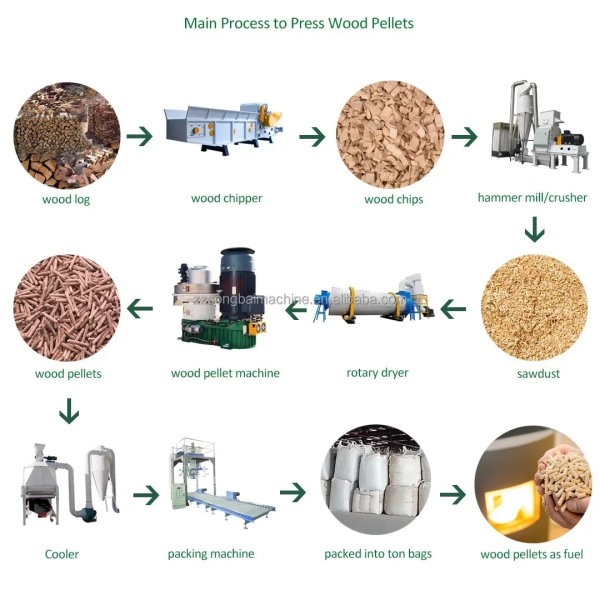
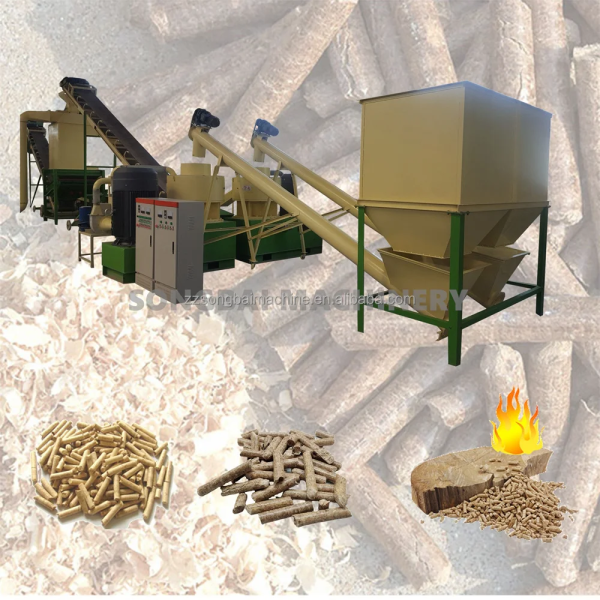
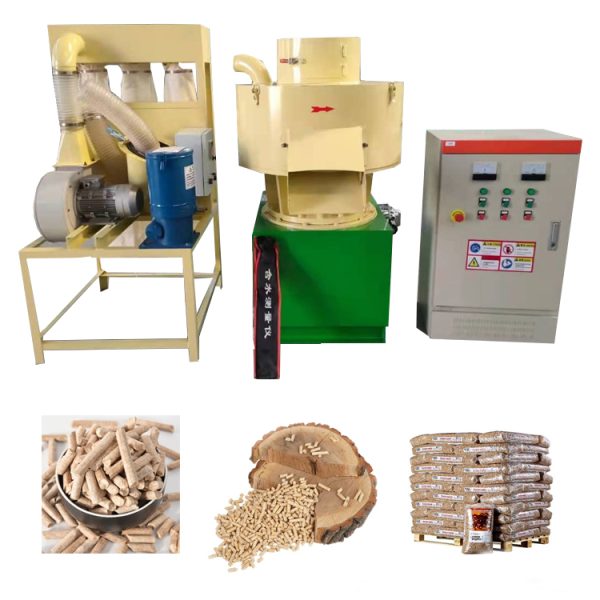
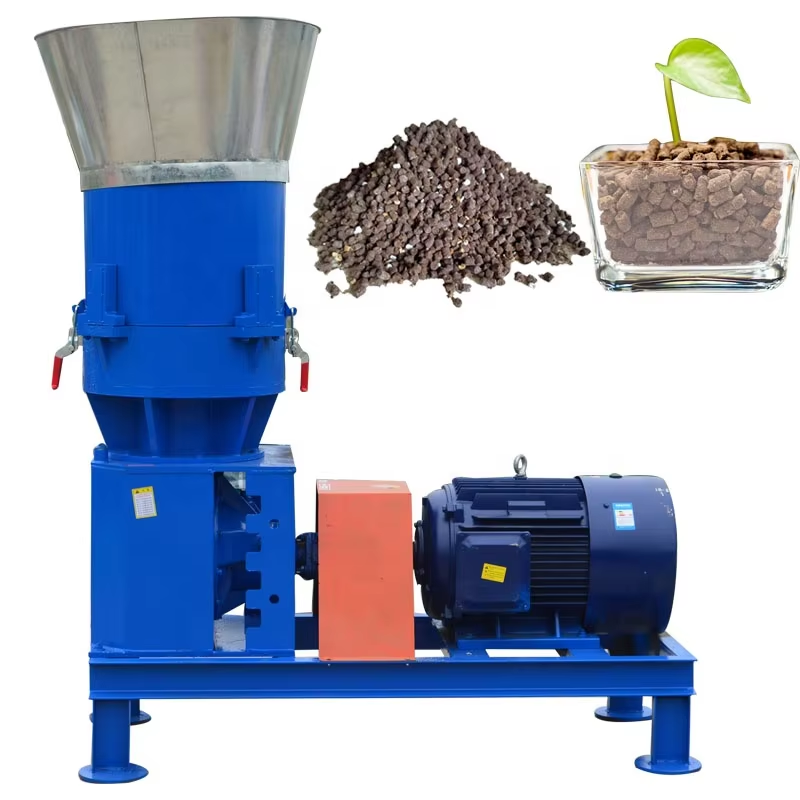
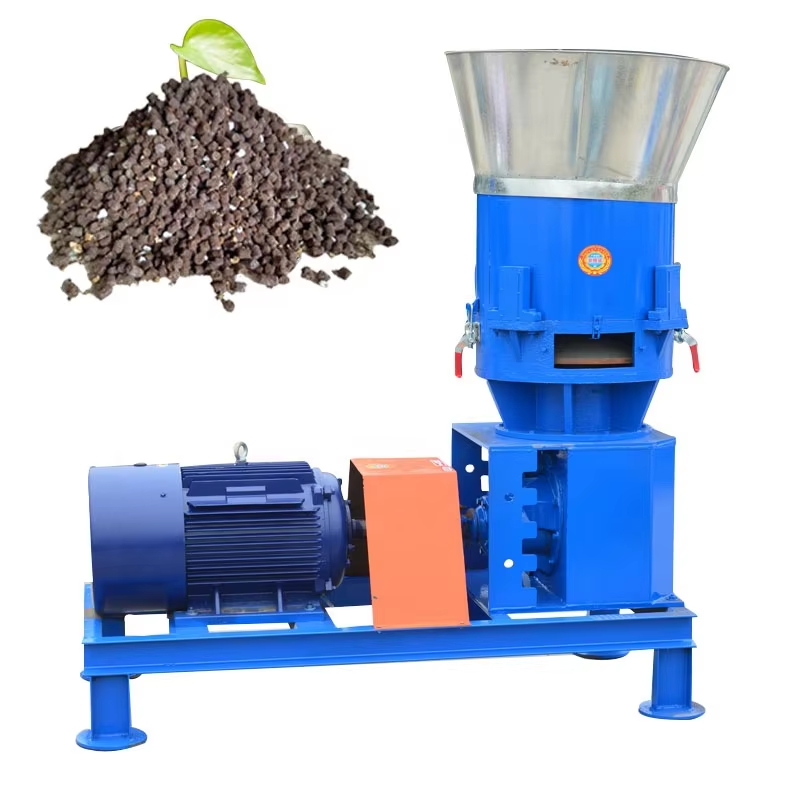
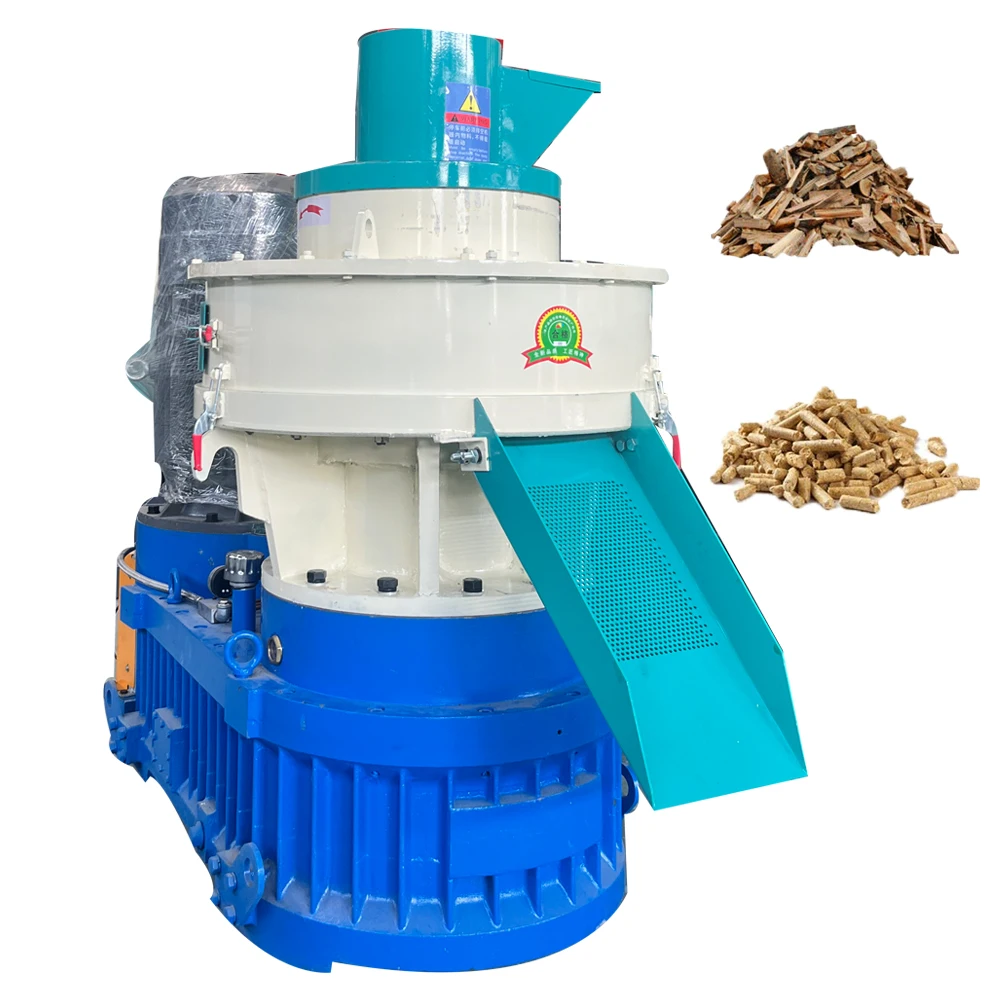
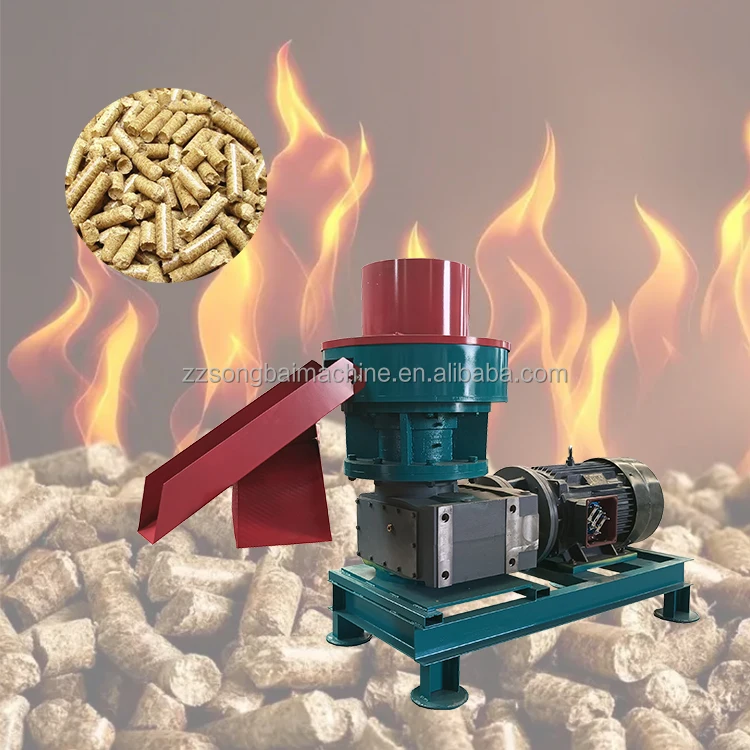
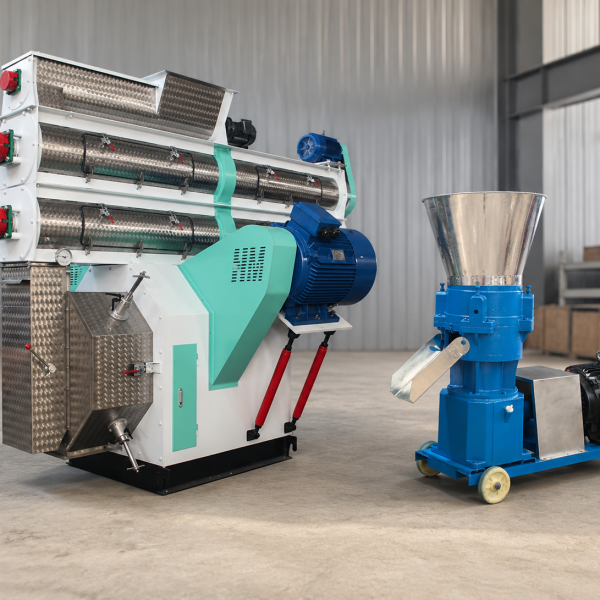
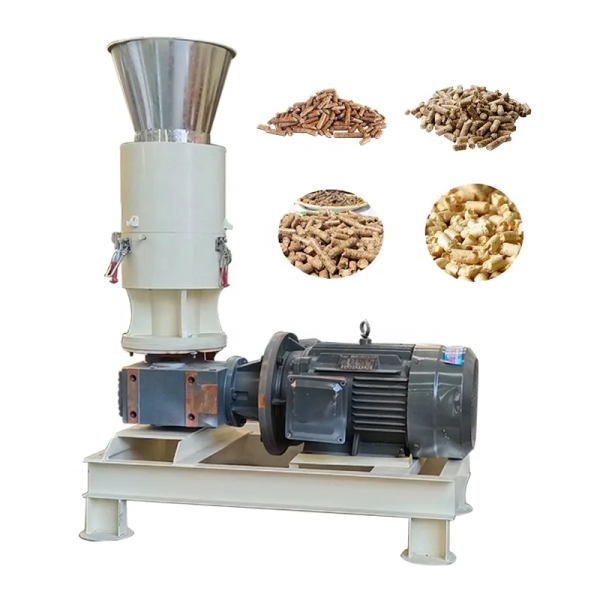
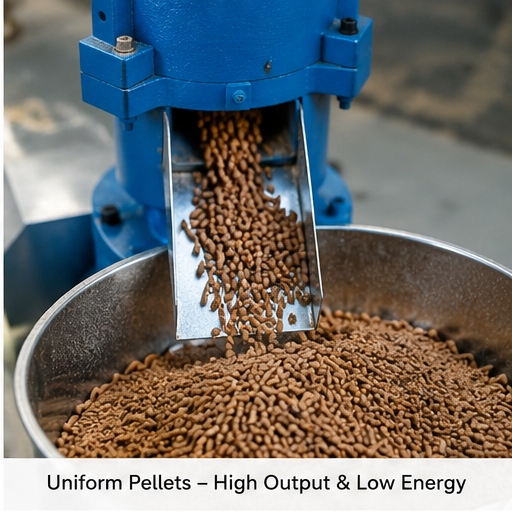
A wood chip pellet machine is a specialized biomass compressing equipment designed to convert wood chips, sawdust, wood shavings, and other woody biomass materials into dense, uniform fuel pellets. Using a flat die compression principle, the machine presses raw materials through die holes under high pressure, forming cylindrical pellets that burn efficiently with high heat output and low ash content. Available in both electric and diesel-powered models, wood chip pellet machines offer a sustainable solution for producing renewable energy from wood waste, reducing disposal costs while creating valuable fuel for heating, cooking, and industrial applications.
Key Features
-
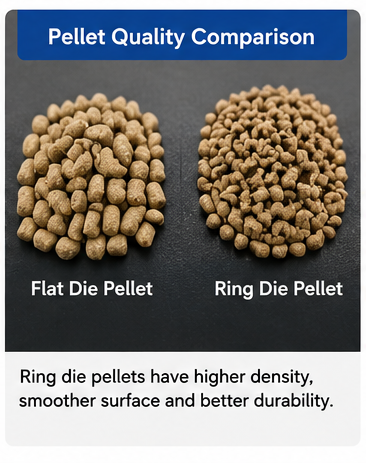
Flat die compression system – high-pressure rollers press materials through die holes, producing dense, uniform pellets with excellent durability.
-
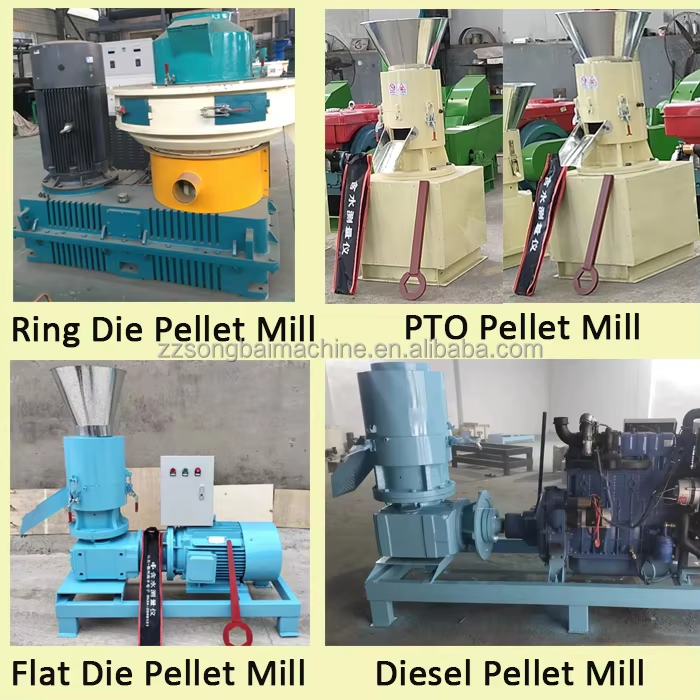
Electric motor / diesel engine options – choose electric for quiet, clean indoor operation; diesel for mobility and off-grid use.
-
High-quality alloy die – wear-resistant and long-lasting, ensures consistent pellet quality over extended production runs.
-
Adjustable roller pressure – allows fine-tuning for different raw materials to achieve optimal pellet density and output.
-
Built-in overload protection – prevents motor or engine damage from excessive material feed.
-
Compact and sturdy design – space-saving footprint with heavy-duty steel construction for long-term reliability.
-
Easy die changeover – quick-release die system allows fast switching between different hole sizes for various pellet diameters.
-
Portable options available – wheeled or trailer-mounted models for easy transport between job sites.
What Materials Can Be Processed?
| Category | Examples |
|---|---|
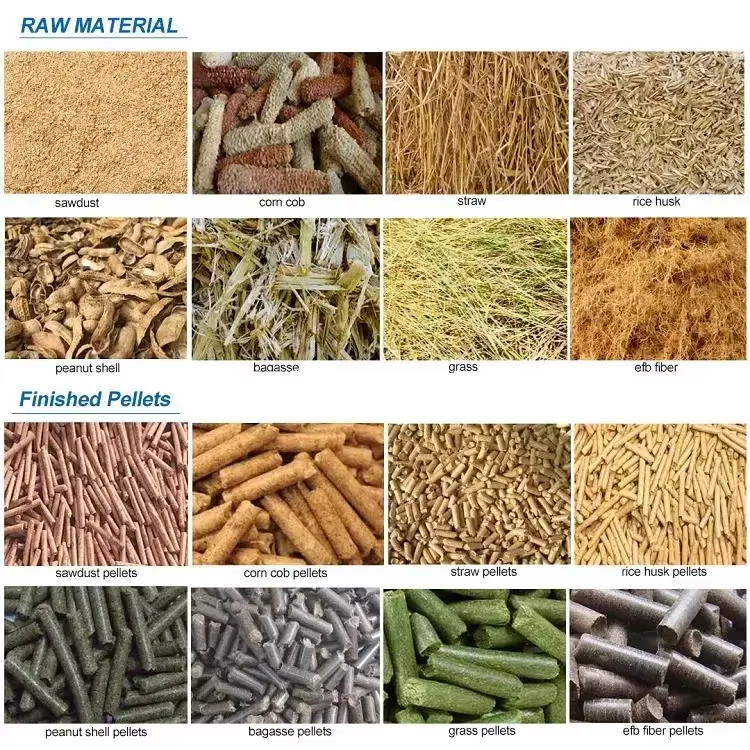
| Wood waste | Wood chips, sawdust, wood shavings, planer shavings |
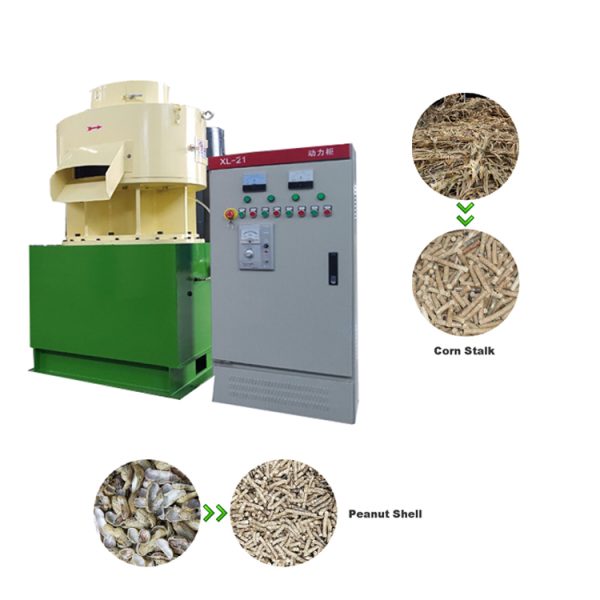
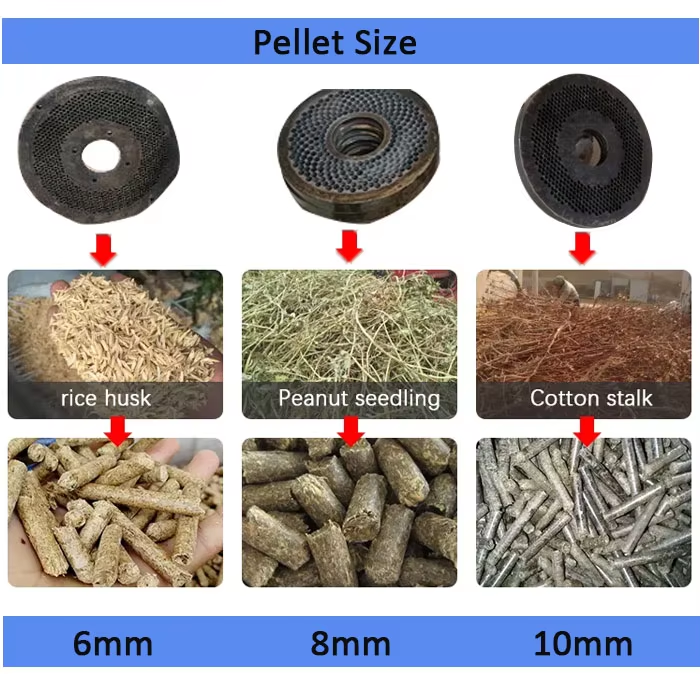
| Agricultural residues | Straw, rice husk, corn stalks, peanut shells, cotton stalks |
| Other biomass | Bamboo, bagasse, palm fiber, grass, alfalfa |
| Mixed materials | Blends of wood and agricultural residues |
Note: Material moisture content should typically be between 12-20% for optimal pellet quality. Pre-drying may be required for wet materials.
Common Applications
-
Home heating – produce wood pellets for pellet stoves and fireplace inserts.
-
Farm use – create animal bedding pellets or fuel for crop drying and greenhouse heating.
-
Commercial pellet production – small to medium-scale pellet manufacturing for local distribution.
-
Industrial biomass boilers – supply fuel pellets for industrial heating and power generation.
-
Waste management – convert wood waste from sawmills, furniture factories, and tree services into valuable fuel.
-
Export & wholesale – produce standardized pellets for domestic and international markets.
Why Choose a Wood Chip Pellet Machine?
-
Waste-to-energy – transforms low-value wood waste into high-value fuel pellets.
-
Reduces disposal costs – eliminates expensive waste hauling and landfill fees.
-
Renewable & eco-friendly – wood pellets are a carbon-neutral fuel source.
-
High heat output – dense pellets burn hot and clean with low moisture and ash content.
-
Consistent quality – uniform pellet size ensures consistent burn performance in pellet appliances.
-
Cost-effective heating – wood pellets cost significantly less than oil, propane, or electricity.
-
Low maintenance – simple flat die design with minimal moving parts means less downtime.
How to Choose the Right Wood Chip Pellet Machine
-
Power source – electric for fixed, indoor installations; diesel for remote, outdoor, or mobile operations.
-
Capacity – check hourly output (kg/h or tons/h) based on your production needs.
-
Raw material type – different materials have different densities and fiber characteristics; ensure the machine can handle your specific material.
-
Moisture content – most flat die machines require material moisture between 12-20%; consider adding a drying system if needed.
-
Pellet size – choose die hole diameter based on your target pellet size (typically 6mm, 8mm, or 10mm).
-
Particle size – raw material should be ground to uniform size (3-5mm) for optimal pellet quality.
-
Portability – wheeled or trailer-mounted models for multiple site use.
-
Power voltage – verify electric motor voltage compatibility (110V/220V/380V) with your facility.
-
After-sales support – choose supplier with reliable spare parts availability and technical support.
Maintenance Tips
-
Clean the die regularly – remove residual material after each use to prevent blockages and maintain pellet quality.
-
Inspect rollers and die – check for wear regularly; replace when signs of wear appear to maintain output efficiency.
-
Lubricate bearings and gearbox – follow manufacturer recommendations for lubrication intervals and types.
-
Check belt tension – ensure drive belts are properly tensioned; replace if frayed or worn.
-
Monitor material moisture – maintain optimal moisture content for consistent pellet quality and to prevent die blockage.
-
Check bolts and fasteners – vibration can loosen components; tighten regularly.
-
Inspect electrical connections (electric models) – check wires and connectors for damage or loose connections.
-
Change engine oil and filters (diesel models) – follow engine manufacturer service schedule.
-
Store in dry location – protect the machine from moisture to prevent rust and corrosion.
Safety Guidelines
-
Wear protective equipment – safety glasses, hearing protection, dust mask, and gloves are essential.
-
Keep hands away – never reach into the feed hopper while the machine is running.
-
Clear the area – keep bystanders, children, and pets at a safe distance.
-
Check materials – remove stones, metal, and other contaminants before feeding to prevent damage.
-
Do not overload – overfeeding can damage rollers, die, and motor/engine.
-
Shut off before maintenance – always turn off and disconnect power before cleaning or servicing.
-
Operate on stable ground – ensure machine is on level surface to prevent tipping.
-
Ventilation – operate in well-ventilated areas, especially diesel models, to prevent fume accumulation.
-
Read the manual – familiarize yourself with all controls and safety features before operation.
Inquiry
Please feel free to submit your inquiry information to us. We will contact with you as soon as possible.