Home » Products » Automatic Pellet Production Line
Your position:
PRODUCTS LIST
Last News
Inquiry
Introduction
Product Description
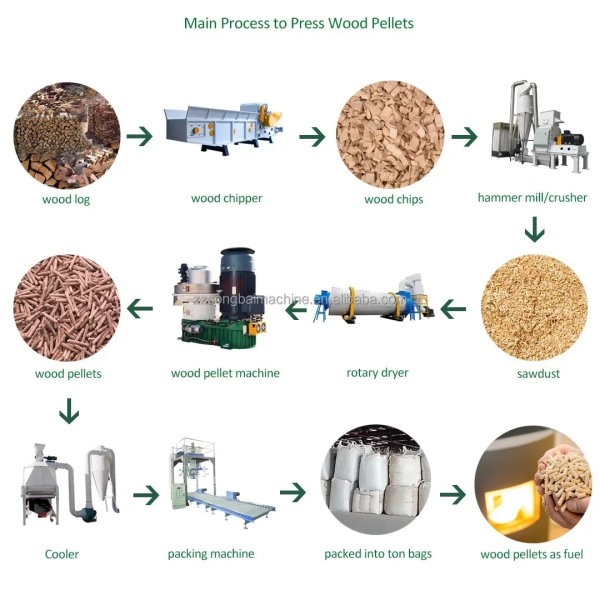
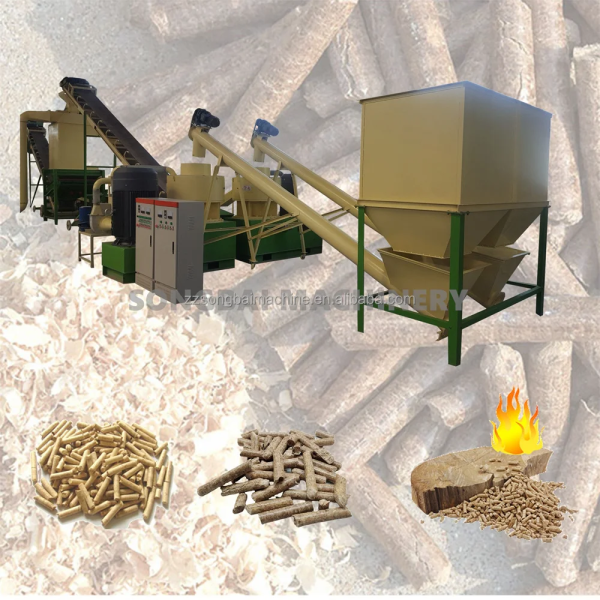
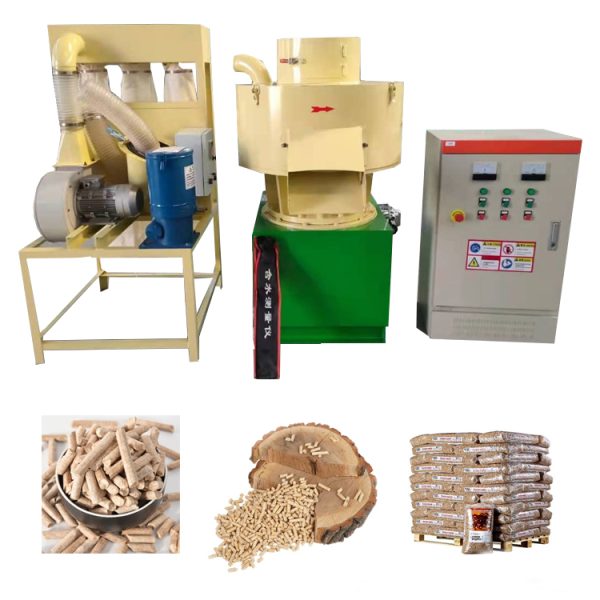
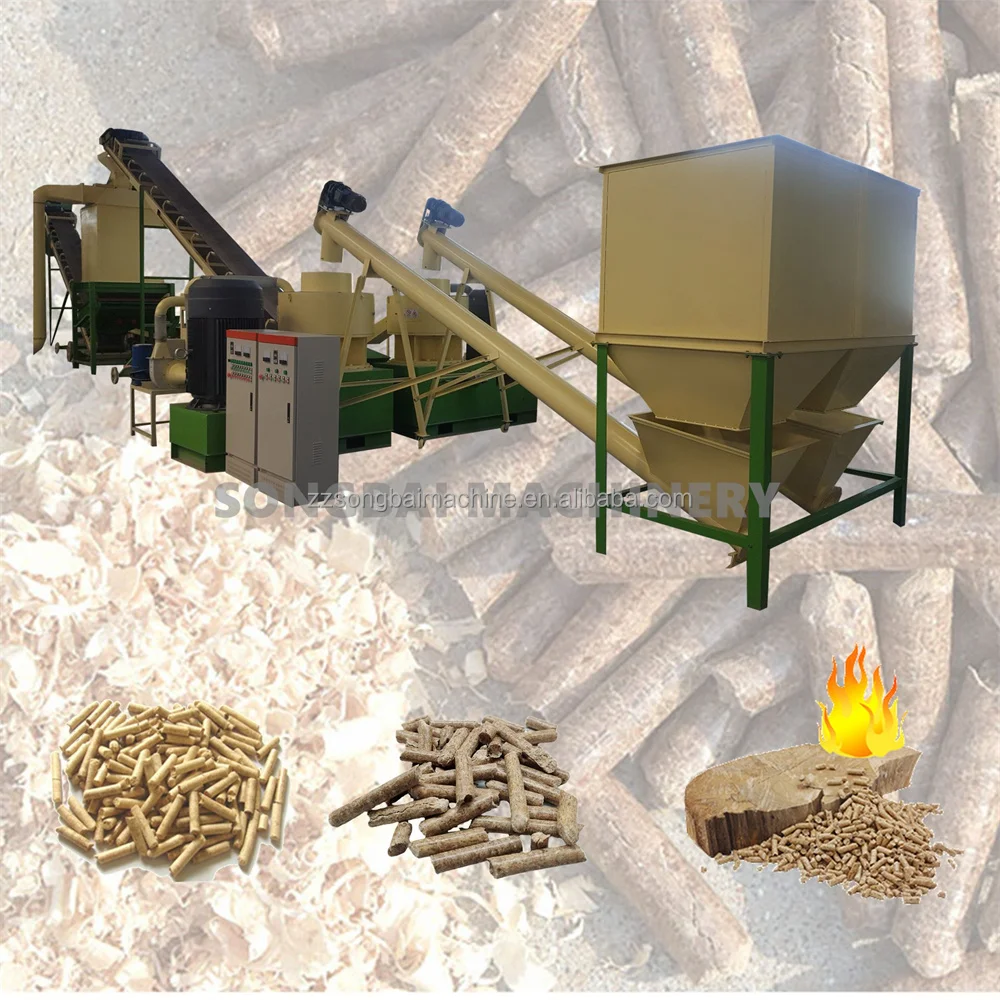
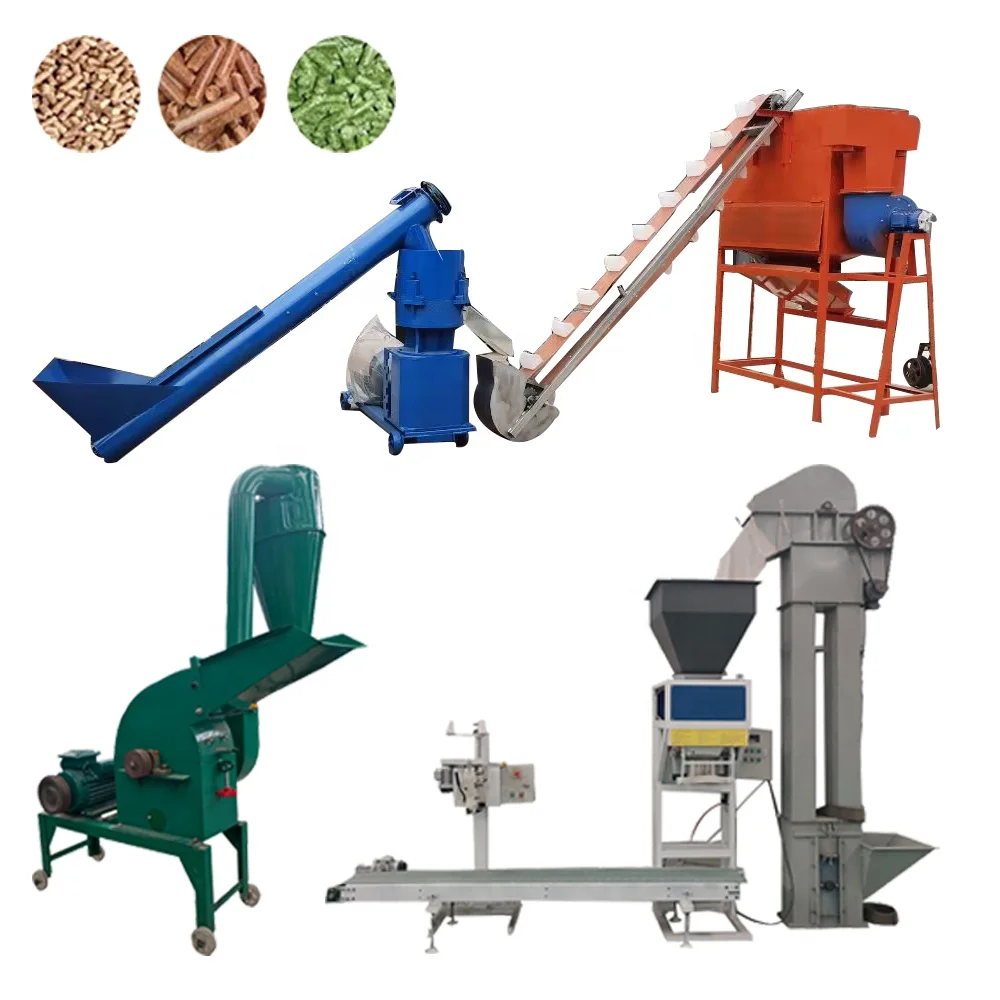
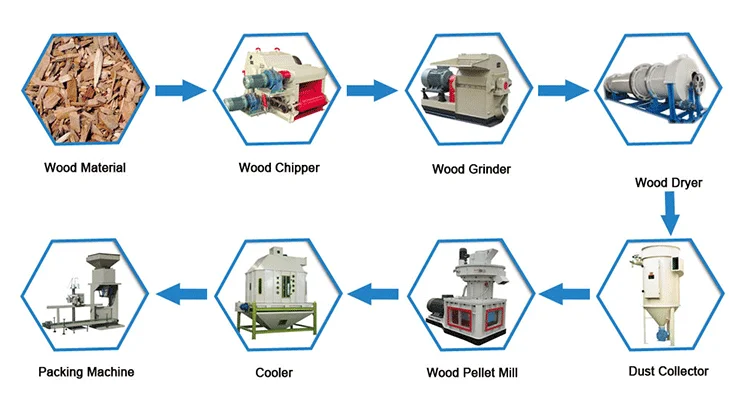
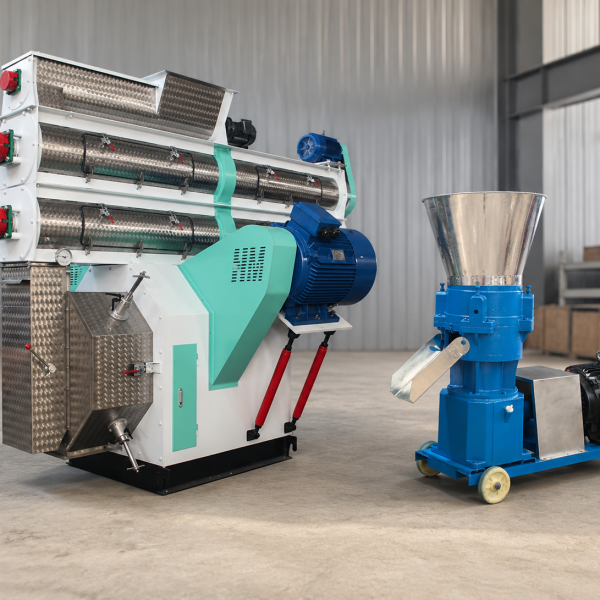
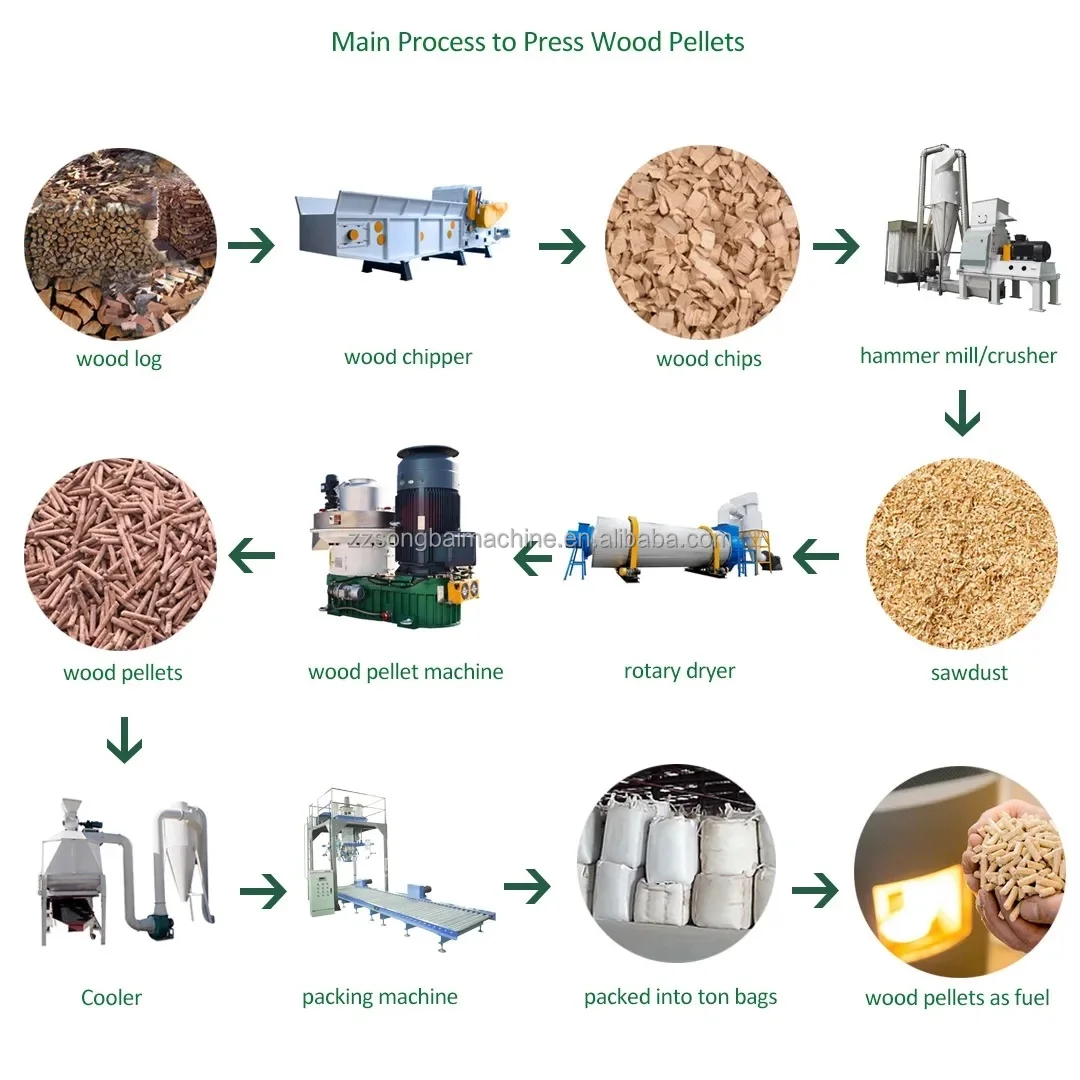
An automatic pellet production line is a fully integrated, PLC-controlled manufacturing system designed to convert wood chips, sawdust, agricultural residues, and other biomass materials into high-quality fuel pellets with minimal manual intervention. From raw material intake to finished bagged pellets, every stage – grinding, drying, pelletizing, cooling, screening, and packing – is monitored and controlled through a centralized control panel with touchscreen interface. Available in capacities ranging from 1 ton to over 15 tons per hour, automatic pellet production lines deliver consistent product quality, reduced labor costs, and optimized energy efficiency, making them the ideal choice for commercial producers, industrial plants, and turnkey pellet manufacturing projects.
The Fully Automatic Production Process
| Stage | Equipment | Automatic Function |
|---|---|---|
| Raw material intake | Conveyor / Hopper with level sensor | Automatic feed control based on hopper level |
| Grinding | Hammer mill with magnetic separator | Auto-start/stop; overload protection |
| Drying | Rotary dryer with temperature sensors | Auto temperature control; moisture feedback loop |
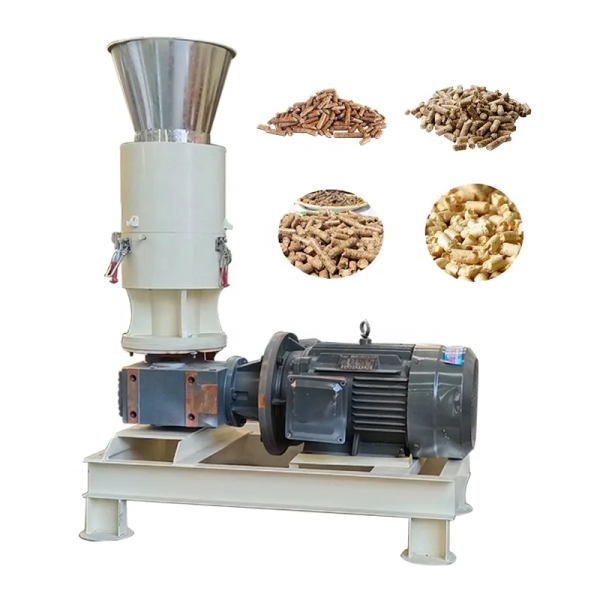
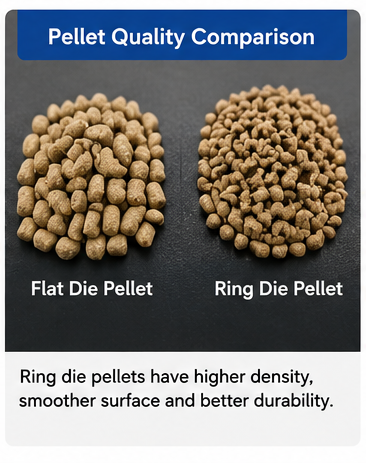
| Pelletizing | Ring die pellet mill with auto lube | Auto roller gap adjustment; die temperature monitoring |
| Cooling | Counterflow cooler with air control | Auto cooling time based on pellet temperature |
| Screening | Vibrating screener with fines return | Auto fines recycling to re-pelletizing |
| Packing | Automatic bagging & sealing system | Auto weighing, bagging, sealing, and palletizing |
Complete system controlled by PLC with remote monitoring capability – operator can view and adjust parameters from a single screen.
Key Features
-
Full PLC automation – centralized control panel with HMI touchscreen controls all stages of the production line.
-
Minimal labor requirement – one operator can supervise the entire line; automatic systems handle feeding, monitoring, and adjustments.
-
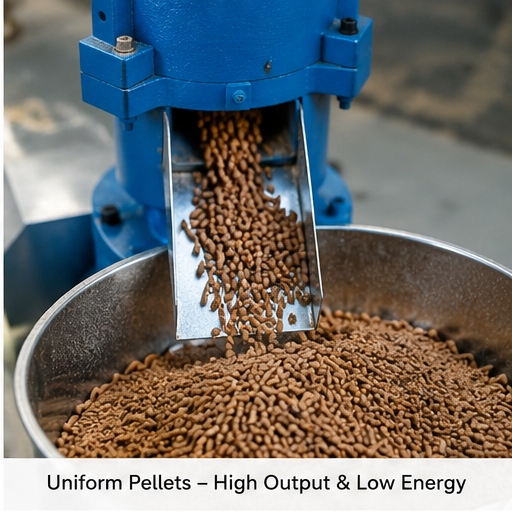
Consistent product quality – automated process control ensures uniform pellet density, size, and moisture content batch after batch.
-
Real-time monitoring – sensors track temperature, moisture, motor load, and material flow at every stage; alerts for deviations.
-
Remote access capability – optional remote monitoring allows engineers to provide support and diagnostics from anywhere.
-
Energy optimization – automatic load management adjusts power consumption based on material feed rate.
-
Automatic lubrication system – key components like pellet mill bearings and rollers are lubricated on programmed schedules.
-
Fines recycling – automatically returns undersized particles from screening to the pellet mill for re-processing.
-
Safety interlocking – automatic shutdown sequences protect equipment and personnel in case of faults.
-
Scalable & modular – design allows future capacity expansion with minimal disruption.
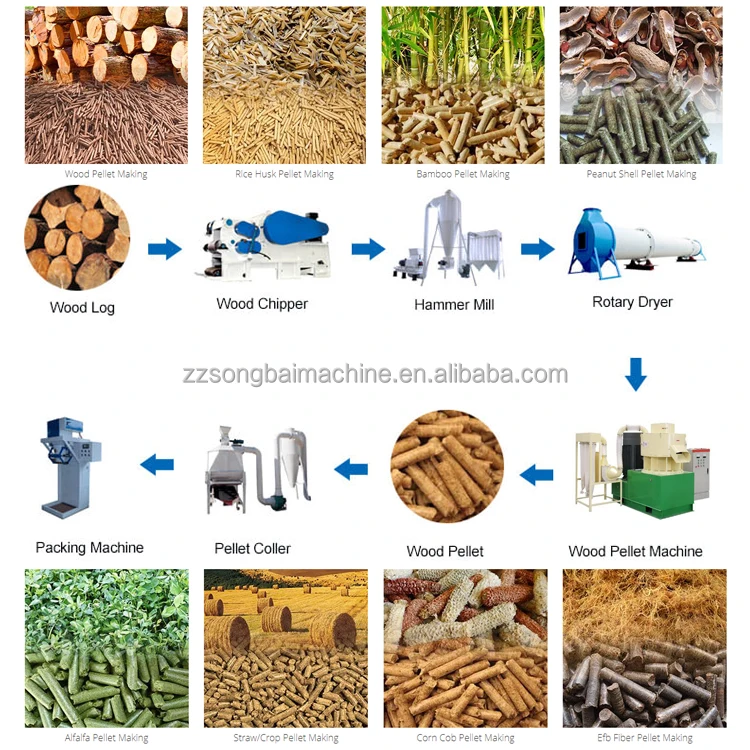
What Materials Can Be Processed?
| Category | Examples |
|---|---|
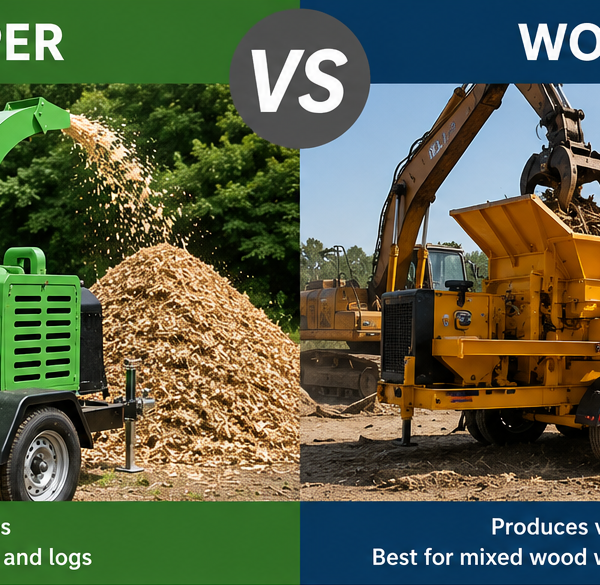
| Wood residues | Logs, branches, wood chips, sawdust, planer shavings, bark |
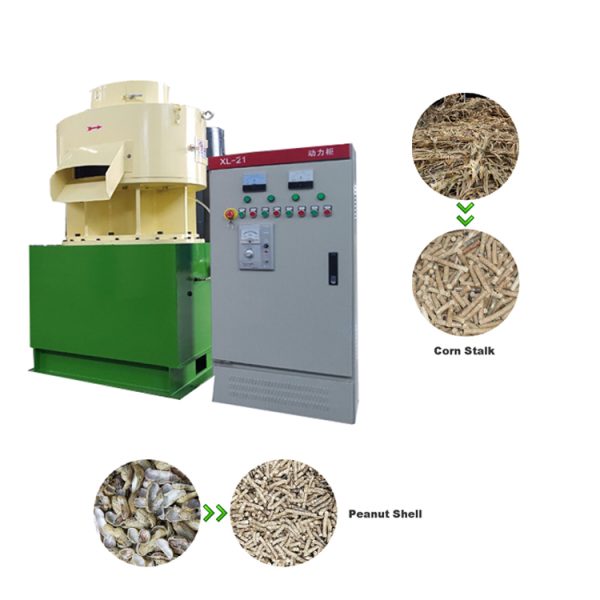
| Agricultural residues | Straw, rice husk, corn stalks, peanut shells, palm kernel shells, cotton stalks |
| Other biomass | EFB (empty fruit bunches), bamboo, bagasse, grass, sunflower husks |
Note: Automatic moisture monitoring and drying control ensure optimal processing regardless of incoming material variations.
Common Applications
-
Commercial pellet manufacturing – high-volume production for wholesale and retail fuel distribution.
-
Biomass power generation – consistent fuel supply for renewable energy plants.
-
Industrial heating – fuel for factory boilers, dryers, and kilns.
-
Pellet export operations – automated lines meet international quality standards (ENplus, DINplus, PFI).
-
Agricultural waste processing – convert crop residues into marketable fuel products.
Why Choose an Automatic Pellet Production Line?
-
Significant labor savings – one operator vs. multiple operators for semi-automatic lines.
-
Consistent quality – eliminates human error; every batch meets the same quality specifications.
-
Higher production efficiency – automated systems maintain optimal operating parameters continuously.
-
Reduced downtime – automatic diagnostics and alerts identify issues before they cause breakdowns.
-
Lower energy costs – optimized load management reduces power consumption per ton of pellets.
-
Data collection & reporting – production logs, energy usage, and quality data available for management analysis.
-
Faster ROI – increased output, reduced labor, and lower operating costs deliver quicker payback.
-
Competitive advantage – automated production enables consistent quality essential for export and premium markets.
How to Choose the Right Automatic Pellet Production Line
-
Target capacity – determine your required output: 1-3 t/h for entry-level commercial; 4-8 t/h for medium-scale; 10-15+ t/h for large industrial operations.
-
Raw material type – confirm the line is configured for your specific biomass materials and their characteristics.
-
Automation level – choose between basic PLC control (monitoring) or advanced system with auto-tuning and remote access.
-
Moisture content – raw material with high moisture requires larger drying capacity and automatic moisture control integration.
-
Finished pellet specifications – discuss your quality targets (density, durability, ash content) for optimal equipment configuration.
-
Facility integration – consider existing building layout, power supply, and material handling infrastructure.
-
Operator training – ensure comprehensive training is included for PLC system operation and troubleshooting.
-
Service & support – select a supplier with proven capability for remote diagnostics, spare parts, and on-site support.
-
Future expansion – choose a modular line that allows easy capacity upgrades as your business grows.
Maintenance Tips for Automatic Lines
-
Daily – check sensor readings for any anomalies; inspect auto-lube system oil levels; review alarm logs; clean dust sensors.
-
Weekly – verify calibration of moisture sensors and weighing systems; check belt tensions on all conveyors; inspect auto-grease lines.
-
Monthly – back up PLC program and settings; test emergency stop and safety interlock functions; service gearboxes.
-
Quarterly – calibrate all sensors and instruments; inspect electrical cabinet connections; check and clean cooling fans.
-
Annually – complete system performance audit; review software updates with supplier; replace wear parts on schedule.
-
Software updates – keep PLC and HMI software updated with latest supplier releases for optimal performance.
Safety & Control Features
-
Emergency stop system – accessible at multiple points along the production line for immediate shutdown.
-
Interlock protection – prevents sequential equipment start-up failures and material accumulation.
-
Overload protection – automatically reduces feed or shuts down equipment to prevent motor damage.
-
Fire detection – integrated heat and smoke sensors with automatic suppression activation.
-
Dust explosion prevention – automatic spark detection and explosion venting systems included.
-
Access guarding – all moving parts protected with safety interlocks preventing access while running.
-
Operator training requirement – comprehensive training on all safety and emergency procedures mandatory.
Inquiry
Please feel free to submit your inquiry information to us. We will contact with you as soon as possible.