Your position:
PRODUCTS LIST
Last News
Inquiry
Introduction
Product Description
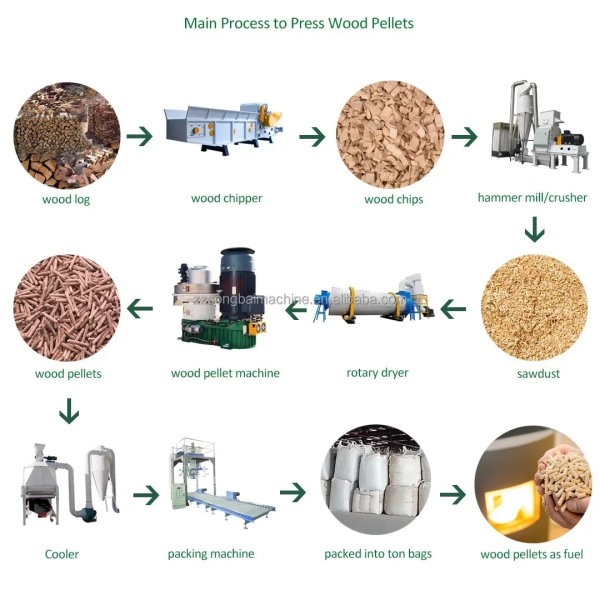
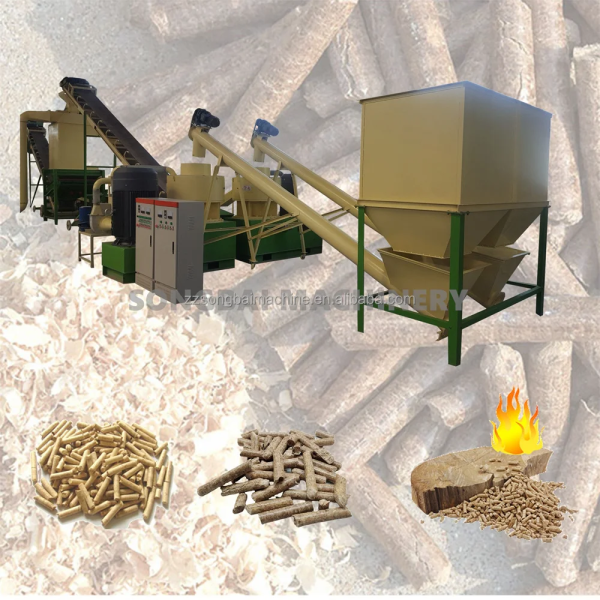
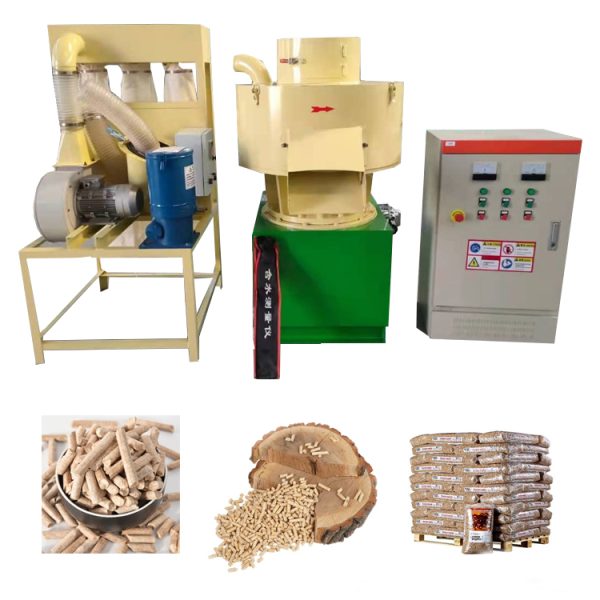
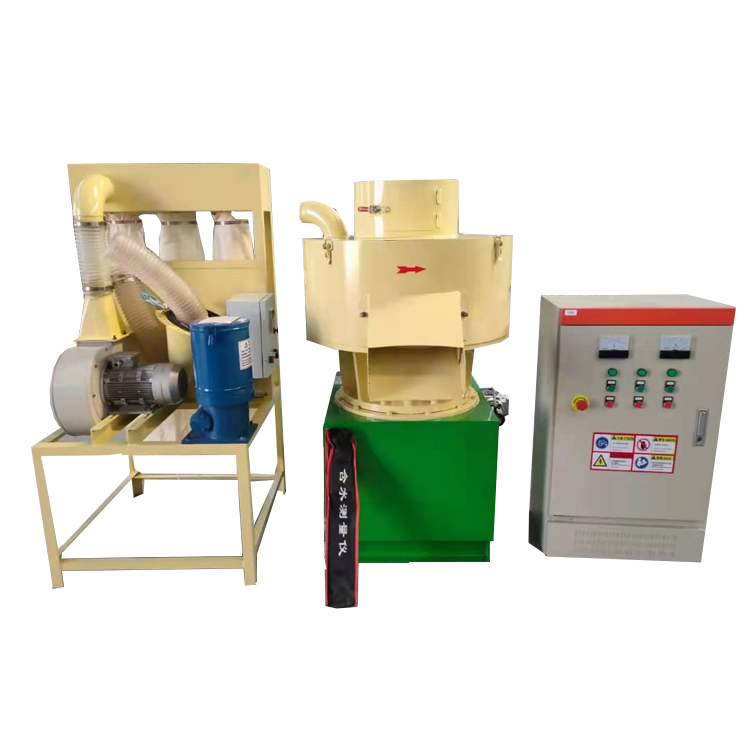
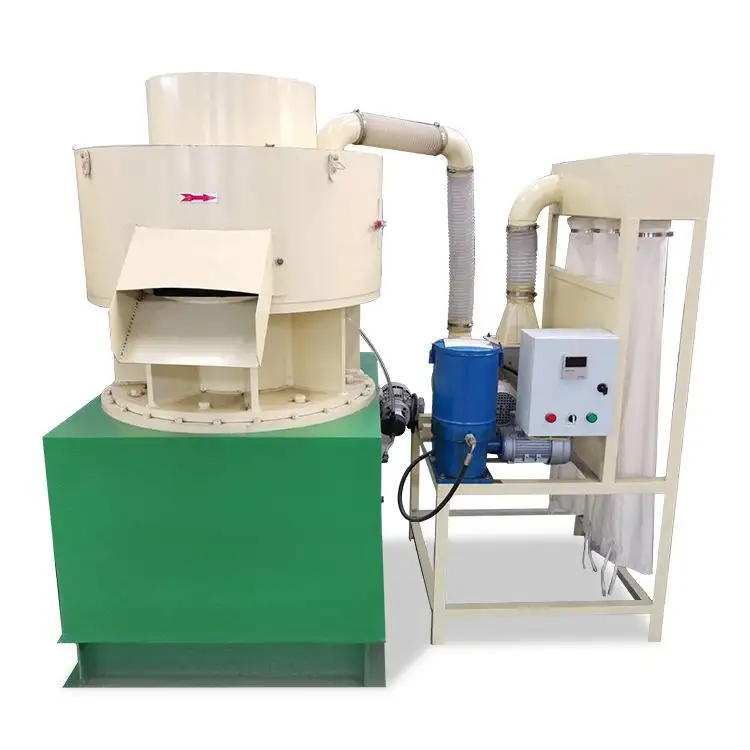
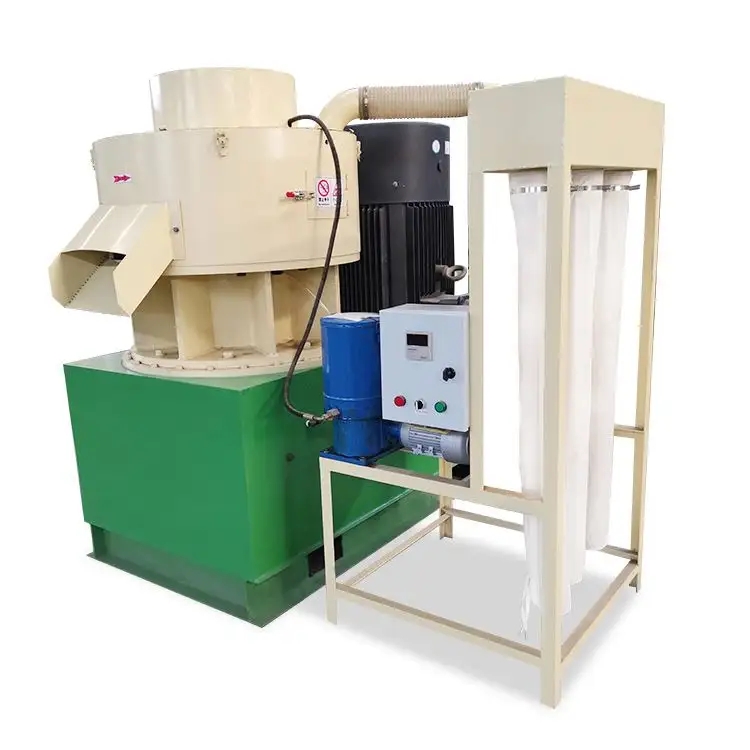
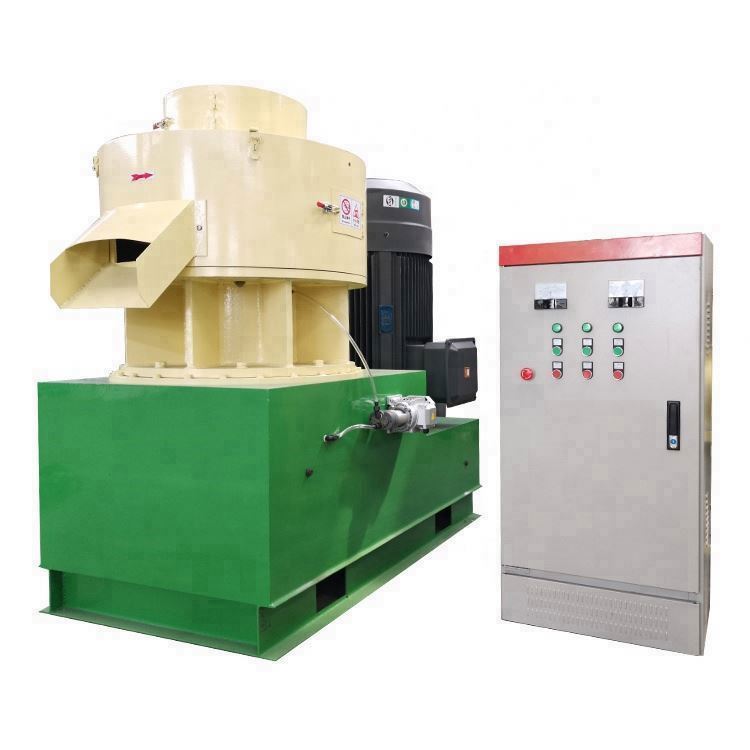
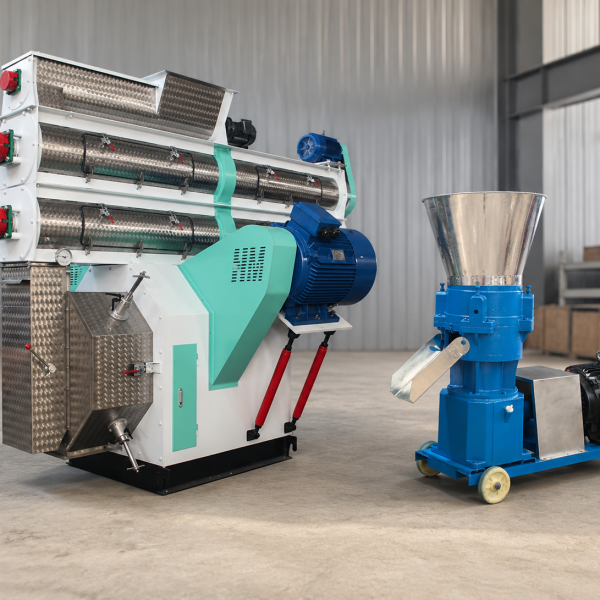
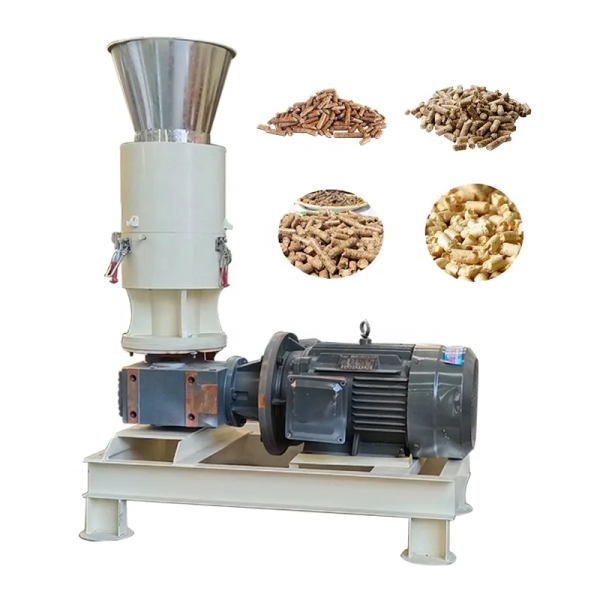
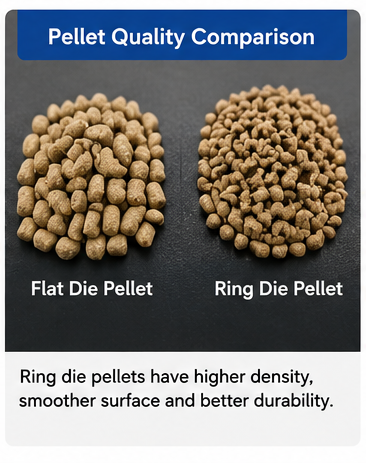
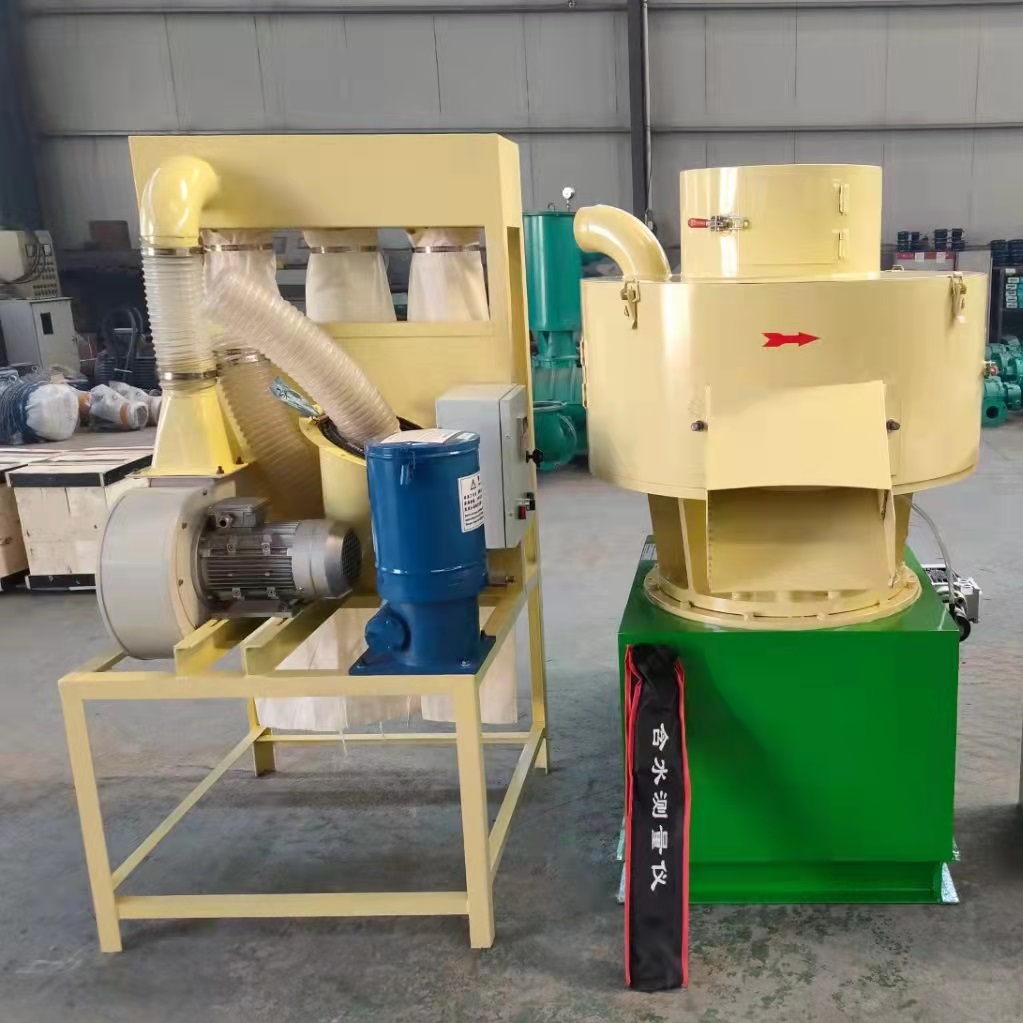
A sawdust pellet machine is a specialized pelletizing equipment designed to compress sawdust, wood shavings, wood chips, and other fine woody biomass into dense, uniform fuel pellets. As sawdust is the most common raw material for wood pellet production, these machines are engineered specifically to handle its unique characteristics – low bulk density, high fiber content, and variable moisture levels. Available in both ring die (commercial scale) and flat die (small to medium scale) configurations, powered by electric motors or diesel engines, sawdust pellet machines offer a highly efficient solution for converting wood processing waste into a valuable renewable fuel for heating, industrial boilers, and power generation.
Key Features
-
Tailored for sawdust – specialized die and roller design optimizes compression for fine, fibrous sawdust material.
-
Ring die or flat die options – choose the configuration that matches your production scale and budget.
-
Gear drive or belt drive transmission – gear drive for maximum efficiency; belt drive for cost-effective solutions.
-
High-quality alloy die – heat-treated stainless steel or alloy steel for extended wear life with abrasive sawdust.
-
Adjustable roller gap – fine-tune compression pressure based on sawdust moisture and fiber characteristics.
-
Pre-conditioning capability – optional steam conditioner improves pellet quality for certain sawdust types.
-
Overload protection system – prevents motor/engine damage from foreign objects or overfeeding.
-
Electric motor / diesel engine options – electric for fixed indoor installations; diesel for remote or off-grid sites.
-
Automatic lubrication system – reduces manual maintenance and extends component life.
-
User-friendly control panel – simple operation with real-time monitoring of key parameters.
What Materials Can Be Processed?
| Category | Examples |
|---|---|
| Sawdust & Shavings | Dry sawdust, green sawdust, planer shavings, wood flour |
| Wood Chips | Small wood chips, hog fuel, wood flakes |
| Wood Residues | Sanding dust, MDF dust, plywood trim dust |
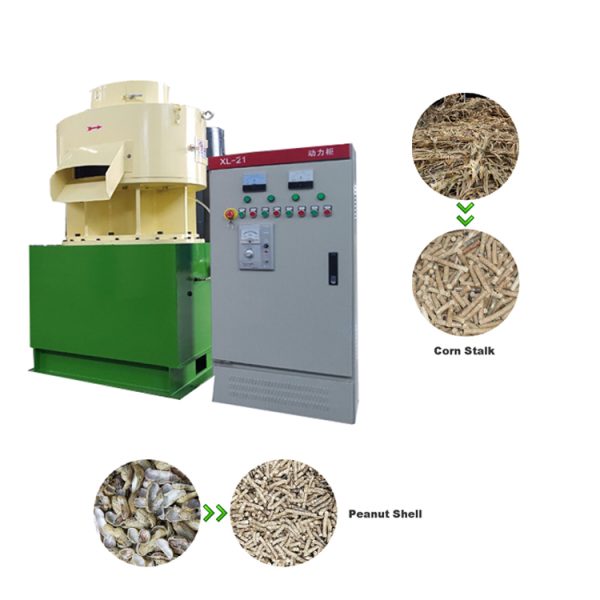
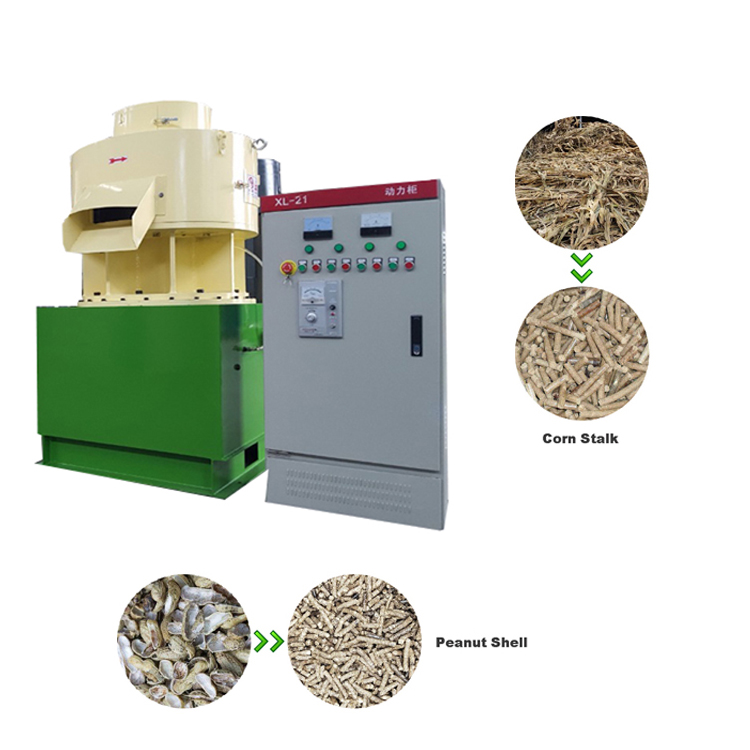
| Other Biomass | Straw, rice husk, corn stalks, peanut shells (requires die adjustment) |
Note: For optimal pellet quality with sawdust, moisture content should be 12-18%. Sawdust with higher moisture requires pre-drying. Particle size should be 3-5mm – larger particles need pre-grinding.
Why Choose a Sawdust Pellet Machine?
-
Turns waste into profit – sawdust is often a costly waste disposal problem; pelletizing creates a saleable fuel product.
-
High density output – sawdust pellets have 6-10x the bulk density of raw sawdust, reducing storage and transport costs.
-
Clean burning fuel – wood pellets produce minimal ash (0.5-3%) and low emissions compared to raw wood.
-
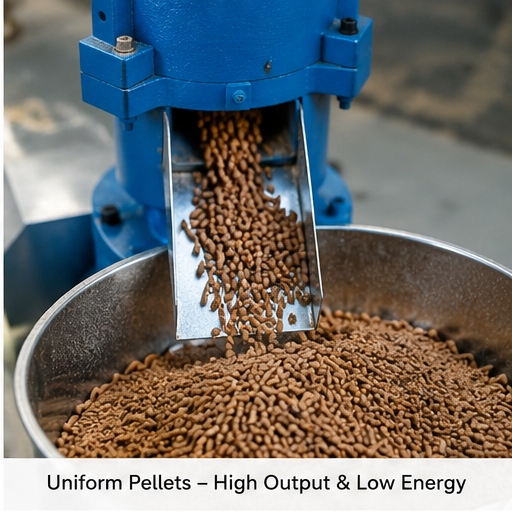
Consistent quality – pellet machines produce uniform pellets with consistent size, density, and calorific value.
-
Multiple applications – pellets can be used for heating, animal bedding, industrial boilers, and power generation.
-
Low operating cost – efficient compression and durable components reduce cost per ton.
-
Energy self-sufficiency – produce your own fuel from sawdust generated on-site.
Common Applications
-
Commercial wood pellet production – large-scale manufacturing of premium-grade fuel pellets for heating markets.
-
Sawmill waste utilization – convert sawdust from milling operations into marketable fuel pellets.
-
Furniture factory waste management – process sanding dust, shavings, and trim into fuel products.
-
Biomass power generation – supply high-quality sawdust pellets to biomass power plants.
-
Residential heating – smaller machines produce pellets for home pellet stoves and boilers.
-
Animal bedding production – produce absorbent, dust-free wood pellet bedding for horses and livestock.
How to Choose the Right Sawdust Pellet Machine
-
Production scale – determine your target output: under 200 kg/h (flat die), 200-1000 kg/h (mid-range ring die), or 1-15+ t/h (large ring die).
-
Sawdust moisture content – if sawdust is consistently above 18%, you will need a pre-drying system.
-
Sawdust particle size – ensure you have grinding capability to achieve 3-5mm particle size.
-
Sawdust source – consider cleanliness: kiln-dried sawdust is easier to pelletize; green sawdust may contain bark and debris.
-
Die specification – select appropriate die hole diameter (6mm, 8mm, 10mm) and compression ratio based on target pellet quality.
-
Power source – electric motor for fixed, indoor installations; diesel engine for remote or outdoor operations.
-
Transmission type – gear drive offers higher efficiency; belt drive is more affordable.
-
Conditioning needs – steam conditioning improves pellet quality for some sawdust types; consider optional conditioner.
-
Budget – flat die models offer lower entry cost; ring die models have higher initial investment but lower per-ton operating cost.
Maintenance Tips
-
Daily cleaning – clean the die surface and roller area after each shift to prevent sawdust buildup.
-
Regular die inspection – check for wear and damage; replace when output drops or pellet quality declines.
-
Monitor roller shells – inspect for uneven wear; replace when surface becomes grooved or worn.
-
Maintain lubrication – ensure automatic lubrication system is filled and functioning; check manual lube points regularly.
-
Check gearbox oil – maintain proper oil level and change at recommended intervals.
-
Inspect belts and drive components – check for wear and proper tension; replace as needed.
-
Monitor motor/engine temperature – overheating indicates cooling or lubrication issues.
-
Check fasteners – vibration can loosen bolts; tighten regularly.
-
Store sawdust properly – keep raw material in dry conditions to prevent moisture variation.
Safety Guidelines
-
Wear protective gear – safety glasses, dust mask, hearing protection, gloves, and steel-toe boots are required.
-
Lockout before servicing – always disconnect power and lock the main switch before cleaning or maintenance.
-
Keep hands clear – never reach into feed hopper or pelletizing chamber while the machine is running.
-
Inspect feed material – remove stones, metal, and tramp material to prevent die and roller damage.
-
Do not overload – feed sawdust at the recommended rate; overfeeding can jam the machine and damage components.
-
Clear the area – keep bystanders, children, and pets at a safe distance.
-
Ventilation – ensure adequate ventilation, especially with diesel engines, to prevent fume buildup.
-
Wait for full stop – allow all moving parts to come to a complete stop before any inspection.
-
Read the manual – ensure all operators are trained on controls and safety procedures.
Inquiry
Please feel free to submit your inquiry information to us. We will contact with you as soon as possible.